About Physaria ludoviciana (Nutt.) O'Kane & Al-Shehbaz
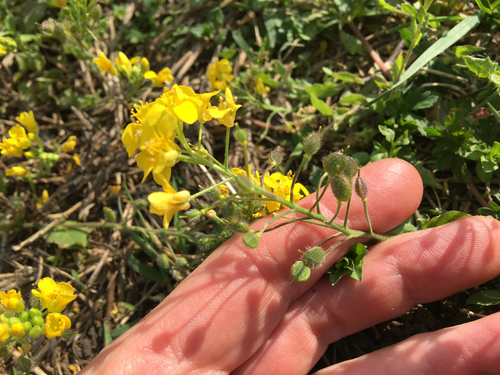
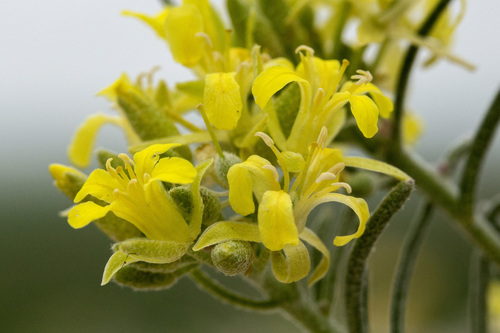
Physaria ludoviciana (Nutt.) O'Kane & Al-Shehbaz is a taprooted perennial plant that grows 6 to 16 inches tall. Its flowers have four sepals, four yellow petals, and six stamens. The leaves are simple, narrow, and covered in stellate-pilose hairs. Basal leaves grow in a rosette. The two-loculed fruits are globe-shaped silicles covered in dense pilose hairs. Flowering takes place from early spring to mid or late summer, and some individual plants are polyploids.
Within the United States, Physaria ludoviciana is classified as an endangered species in Illinois and Minnesota, and a threatened species in Wisconsin. The populations in these three states lie outside of the species' main, more western range, which centers on dry plains. Minnesota populations occur around Red Wing in Goodhue County, 500 kilometers away from the species' main western range. It has been speculated that these populations originated either from the long-range dispersal of a single seed that introduced the species to the area, or as remaining remnants from a time when the climate was drier and the species had a larger natural range. In Minnesota, this plant grows in dry prairie on south-facing bluffs, in sandy soil formed from weathered limestone. Minnesota populations are threatened by encroachment from woody and invasive species, which occurs due to human suppression of natural fires. Grazing animals avoid feeding on Physaria ludoviciana.