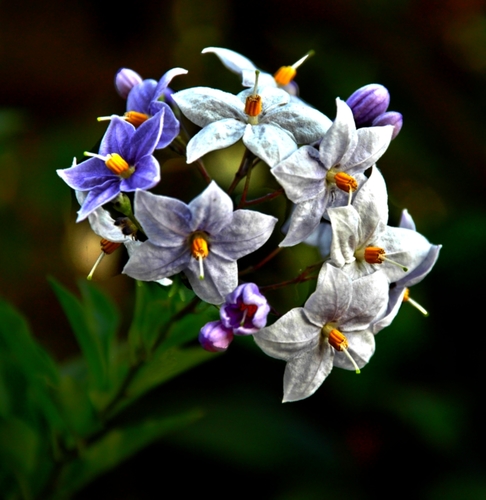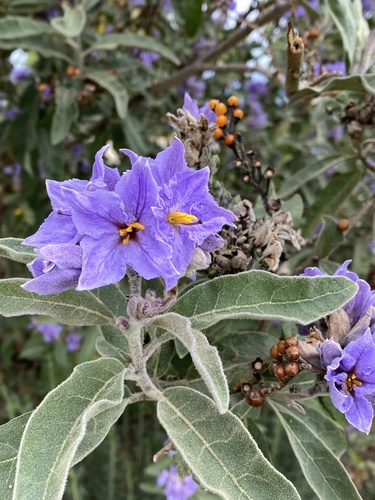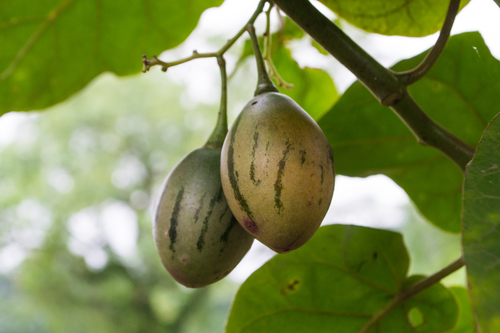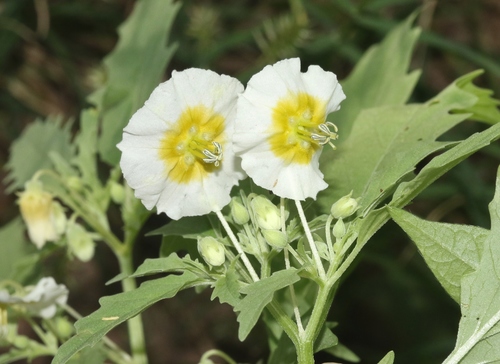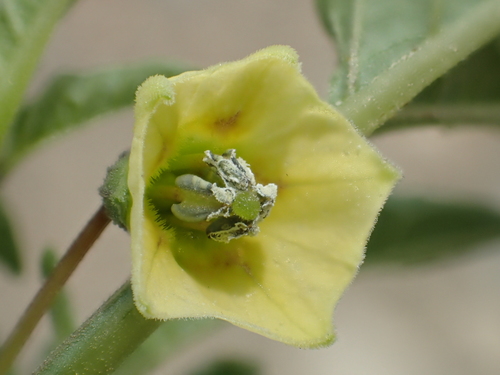
Physalis angulata L. is a plant in the Solanaceae family, order Solanales, kingdom Plantae. Toxic/Poisonous.

Photo of Physalis angulata L. (Physalis angulata L.)
🌿 Plantae ⚠️ Poisonous

Physalis angulata L.

Physalis angulata L.

Physalis angulata is an annual nightshade with edible enclosed fruits and poisonous other parts, naturalized worldwide in tropics.

Family
Genus
Physalis
Order
Solanales
Class
Magnoliopsida

⚠️ Is Physalis angulata L. Poisonous?

Yes, Physalis angulata L. (Physalis angulata L.) is classified as poisonous or toxic. Toxicity risk detected (mainly via ingestion); avoid direct contact and ingestion. Never consume or handle this species without proper identification by an expert.

About Physalis angulata L.

Physalis angulata L. is an erect, herbaceous annual plant in the nightshade family, Solanaceae. It has dark green, roughly ovate leaves that often have serrated edges. Its flowers are five-sided and pale yellow, while its yellow-orange fruits grow enclosed inside a balloon-shaped calyx. The exact native range of this species is not confirmed; it may be naturally endemic to Australia, endemic to the Americas, or native to both regions. Today, it is widely distributed and naturalized across tropical and subtropical regions around the world. This plant produces edible fruit, which can be eaten raw, cooked, made into jam, and prepared in other ways. However, all other parts of the plant are poisonous. The Toba-Pilagá ethnic group of Gran Chaco has a traditional practice of eating the ripe fruits of this plant raw. Unripe raw fruits, flowers, leaves, and stems of Physalis angulata contain the alkaloids solanine and solanidine, which can cause poisoning if eaten by humans, cattle, or horses.
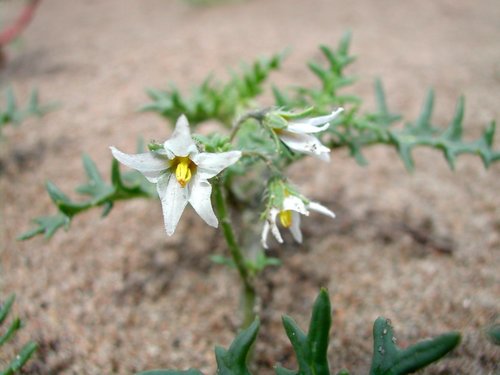
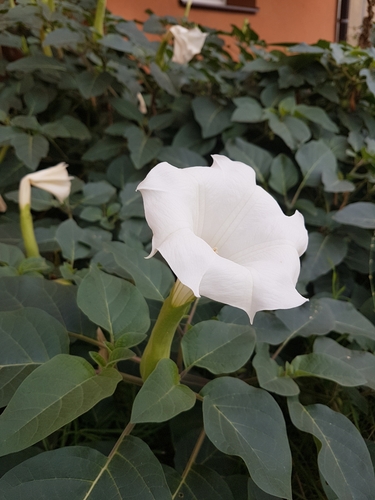
Photo: no rights reserved, uploaded by 葉子 · cc0

Taxonomy

Plantae Tracheophyta Magnoliopsida Solanales Solanaceae Physalis
⚠️ View all poisonous species →

More from Solanaceae

Sources: GBIF, iNaturalist, Wikipedia, NCBI Taxonomy · Disclaimer

Identify Physalis angulata L. instantly — even offline

iNature uses on-device AI to identify plants, animals, fungi and more. No internet needed.

Download iNature — Free

Start Exploring Nature Today

Download iNature for free. 10 identifications on us. No account needed. No credit card required.

Download Free on App Store