About Phyllostachys aureosulcata McClure
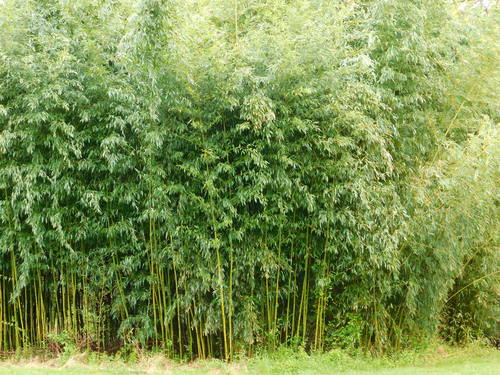
This species of bamboo, scientifically named Phyllostachys aureosulcata McClure, generally reaches an expected height of 9 meters (30 feet), with a culm diameter of 4 cm (1.6 inches). In regions where the average minimum winter temperature is above -15°C (5°F), it can grow to a maximum height of 14 meters (46 feet), with a culm diameter of 6.5 cm (2.6 inches). The typical form of this species has dark green culms that feature a yellow groove. Its culm sheaths are usually purple-green and striped with yellow. The lower sections of the upright culms occasionally form a bent zigzag pattern. This bamboo grows across habitats from subtropical to warm temperate climates. It tolerates low winter temperatures better than most bamboos, and is counted among the hardiest bamboos in the genus Phyllostachys. When growing outside its natural range in areas where the mean temperature of the coldest month falls below −4 °C (25 °F), the leaves of P. aureosulcata may not remain evergreen; they may turn beige and drop off. In regions with very severe cold winters, such as USDA hardiness zone 5 or colder areas in the northern United States, northern Asia, and northern Europe, all above-ground growth will die back each winter if temperatures stay below −18 °C (0 °F) for extended periods. However, the bamboo will regrow to a height of 1.8 to 2.4 meters (5.9 to 7.9 feet) the following spring. P. aureosulcata is a popular cultivated bamboo in warmer regions of the United States, Europe, Asia, and parts of Australia. Within China, it is cultivated and found in Beijing, as well as the provinces of Henan, Jiangsu, and Zhejiang.