About Phocides polybius (Fabricius, 1793)
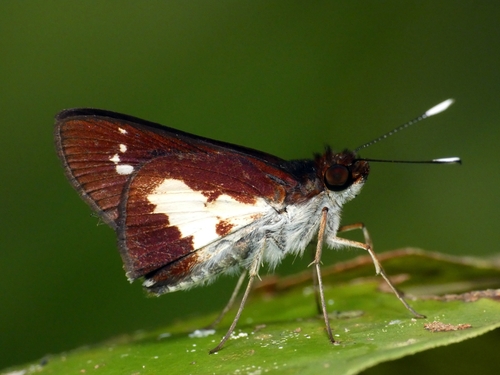
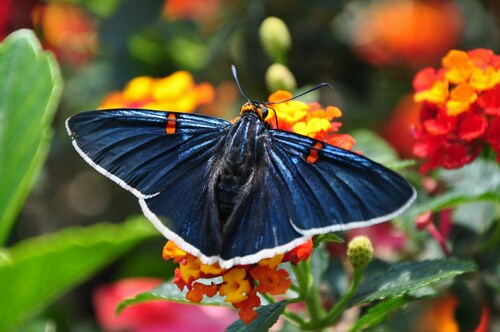
Phocides polybius, commonly known as the bloody spot or guava skipper, is a butterfly species belonging to the skipper family Hesperiidae, native to the Americas. Its distribution ranges from the lower Rio Grande Valley of southern Texas in the United States, extending south through Mexico and Central America all the way to Argentina. This species was first formally described by Johan Christian Fabricius in 1793. The wingspan of adult Phocides polybius measures 42–63 mm, equal to 1.7–2.5 inches. In southern Texas, the species has several generations per year, with adult individuals active on the wing in February, April, and from June through December. The larvae feed on plants from the Psidium genus, including Psidium guajava and Psidium cattleianum. Adult butterflies are thought to feed on flower nectar.