About Phlomis purpurea L.
Classification and Native Range
Phlomis purpurea, commonly known as purple Jerusalem sage, is a perennial herbaceous plant in the Lamiaceae family. Native to the Mediterranean region, it can be found in countries such as Greece, Turkey, and Syria.
Physical Features
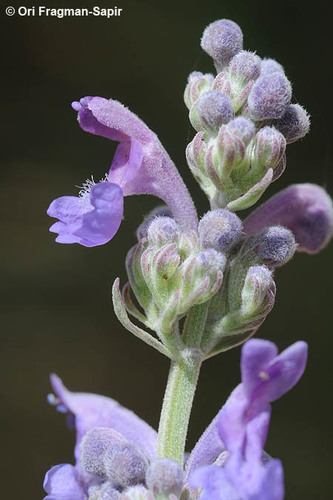
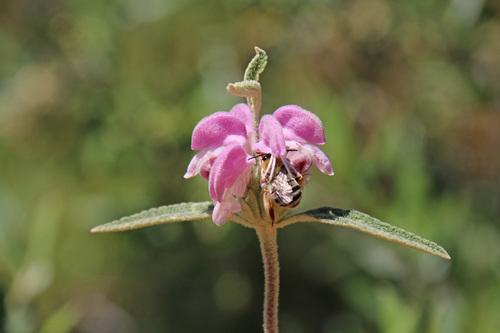
The plant grows up to 1 meter in height, featuring a woody stem and green leaves covered with fine hairs. Its purple-pink flowers bloom from late spring through summer.
Cultivation Requirements
This plant prefers well-drained soil and full sun exposure, though it can also tolerate partial shade. Once established, Phlomis purpurea is drought-tolerant but requires regular watering during its initial growth period.
Traditional Medicinal Uses
Phlomis purpurea has been used medicinally for centuries, primarily for its anti-inflammatory properties. Its leaves have been applied as a poultice for treating wounds, while its roots have been used to address respiratory ailments such as coughs.
Ornamental Applications
Beyond its medicinal uses, Phlomis purpurea is also grown ornamentally for its attractive flowers, which attract bees and butterflies to gardens. Its drought-tolerant nature makes it an ideal choice for xeriscaping or landscapes with low water availability.
Overall Value
In summary, Phlomis purpurea is an aesthetically pleasing herbaceous perennial that offers both ornamental value and medicinal benefits, making it a popular choice among gardeners worldwide.