About Petroselinum crispum (Mill.) Fuss
Scientific Name and Growth Habit
Garden parsley, scientifically named Petroselinum crispum (Mill.) Fuss, is a bright green herb that grows as a biennial in temperate climates, and as an annual in subtropical and tropical regions.
First Year Leaf Rosette
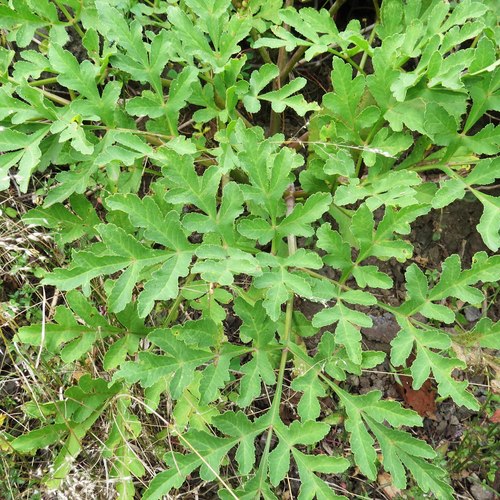
When grown as a biennial, it forms a rosette of tripinnate leaves in its first year. The rosette measures 10 to 25 centimeters long, and bears numerous 1 to 3 centimeter leaflets.
First Year Taproot
It also develops a taproot, which stores food to sustain the plant through the winter.
Second Year Flowering Stem
In its second year, it produces a flowering stem that grows up to 75 centimeters (30 inches) tall, with sparser foliage.
Inflorescence and Flowers
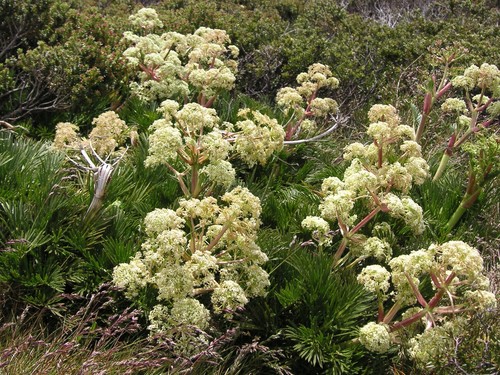
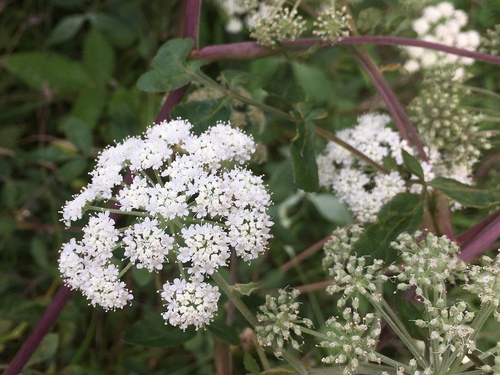
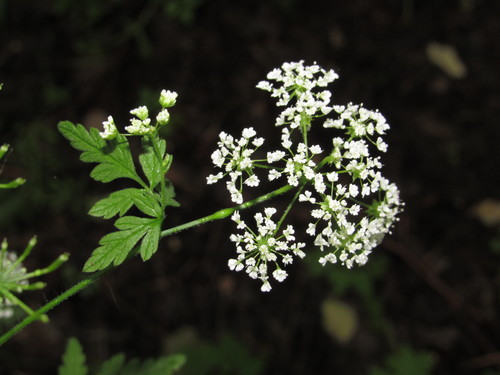
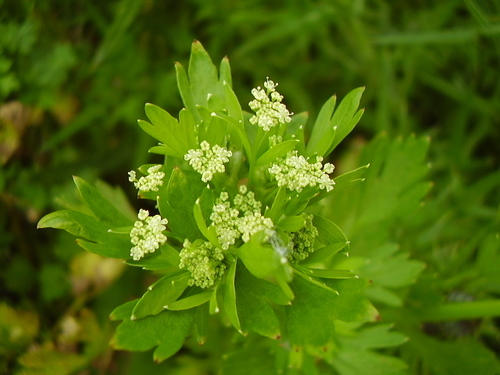
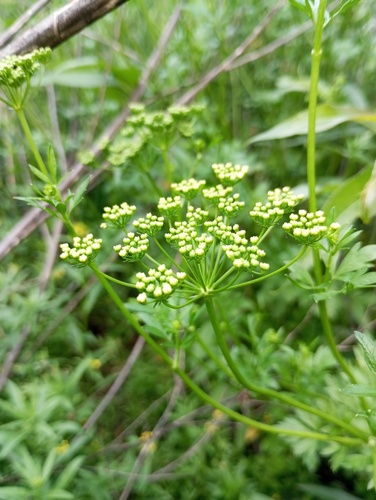
This stem produces flat-topped umbels 3 to 10 centimeters in diameter, which hold many small yellow to yellowish-green flowers, each 2 millimeters across.
Seed Characteristics
The plant produces ovoid seeds that are 2 to 3 millimeters long, with visible style remnants at the apex.
Chemical Composition and Senescence
Apiole is one of the compounds found in garden parsley's essential oil, and the plant typically dies after its seeds mature.
Cultivation Soil and Sun Requirements
For cultivation, garden parsley grows best in moist, well-drained soil with full sun.
Temperature and Propagation
It thrives at temperatures between 22 and 30 °C (72–86 °F), and is most commonly grown from seed.
Seed Germination
Seed germination is slow, taking four to six weeks, and is often difficult due to furanocoumarins present in the seed coat.
Cultivation Spacing
Plants grown for a leaf crop are typically spaced 10 centimeters apart, while plants grown as a root crop are spaced 20 centimeters apart to give their roots room to develop.
Wildlife Interactions
Garden parsley draws multiple species of wildlife.
Swallowtail Butterfly Host Use
Some swallowtail butterflies use the plant as a host plant for their larvae. The caterpillars have black and green stripes with yellow dots, and feed on parsley for two weeks before they mature into butterflies.
Nectar Source for Insects
Bees and other nectar-feeding insects also visit garden parsley flowers to feed.