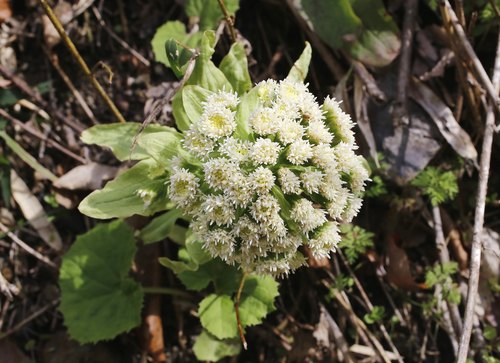
Petasites japonicus (Siebold & Zucc.) Maxim. is a plant in the Asteraceae family, order Asterales, kingdom Plantae. Toxic/Poisonous.

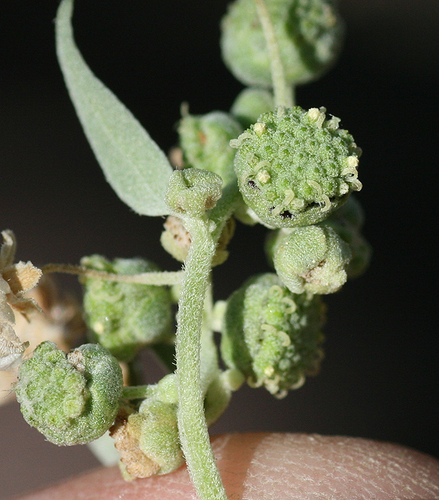
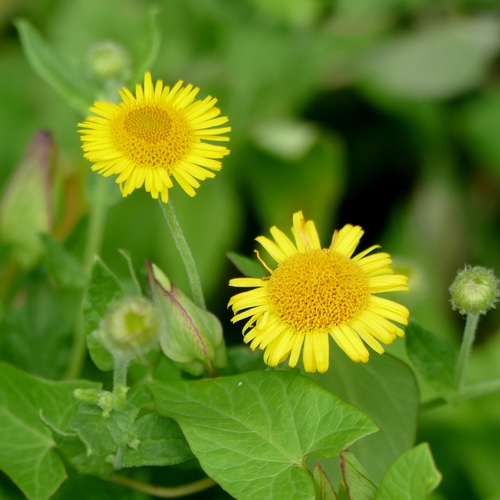
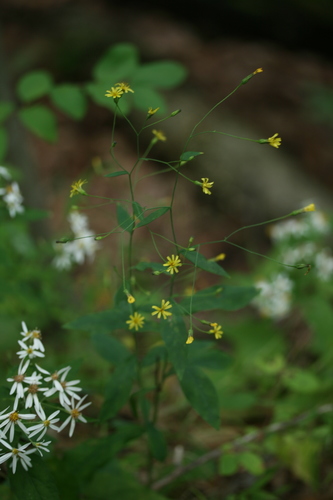
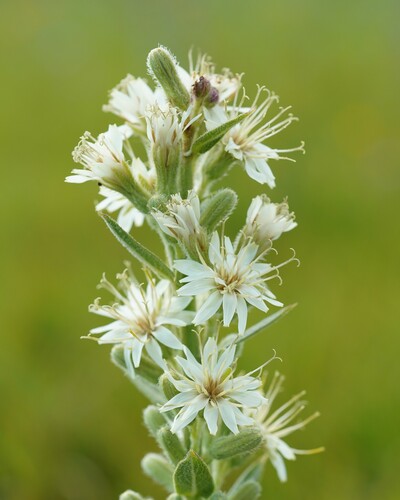
Photo of Petasites japonicus (Siebold & Zucc.) Maxim. (Petasites japonicus (Siebold & Zucc.) Maxim.)
🌿 Plantae ⚠️ Poisonous

Petasites japonicus (Siebold & Zucc.) Maxim.

Petasites japonicus (Siebold & Zucc.) Maxim.

Petasites japonicus is a dioecious herbaceous perennial in Asteraceae, native to East Asia and introduced elsewhere, containing toxic pyrrolizidine alkaloids.

Family
Genus
Petasites
Order
Asterales
Class
Magnoliopsida

⚠️ Is Petasites japonicus (Siebold & Zucc.) Maxim. Poisonous?

Yes, Petasites japonicus (Siebold & Zucc.) Maxim. (Petasites japonicus (Siebold & Zucc.) Maxim.) is classified as poisonous or toxic. Toxicity risk detected (mainly via ingestion); avoid direct contact and ingestion. Never consume or handle this species without proper identification by an expert.

About Petasites japonicus (Siebold & Zucc.) Maxim.

Petasites japonicus, commonly called butterbur, giant butterbur, great butterbur, fuki, and sweet-coltsfoot, is an herbaceous perennial plant in the daisy family (Asteraceae). It is native to China, Japan, Korea, and Sakhalin, and has been introduced to Europe and North America. Japanese migrants brought the species to southern British Columbia, Canada, after its introduction to the continent. This species is typically dioecious: male and female flowers develop on separate individual plants. Rarely, it produces morphologically hermaphroditic flowers that are functionally sterile. Like other species in the Petasites genus, fuki contains pyrrolizidine alkaloids (PAs), compounds linked to cumulative liver damage and tumor development. It also contains petasitenine, a carcinogenic pyrrolizidine alkaloid. Proper extraction processing can reduce the concentration of these hepatotoxic PAs to levels below detection limits. Because many alkaloids have a bitter taste, traditional preparation methods for this plant may have developed specifically to remove these compounds.
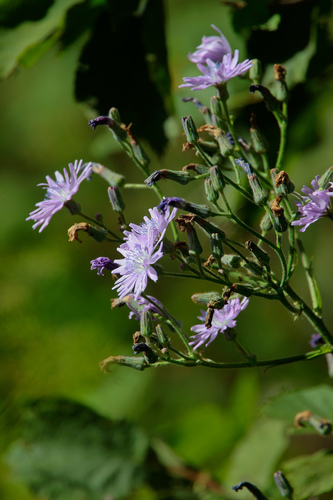
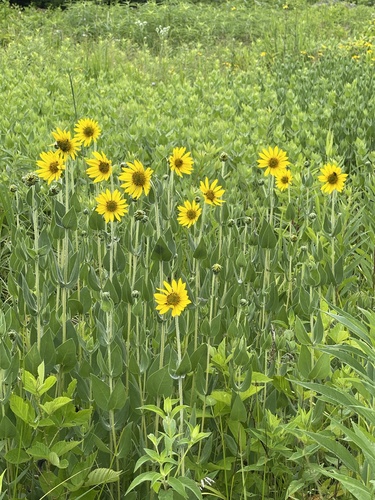
Photo: (c) 空猫 T. N, some rights reserved (CC BY-NC), uploaded by 空猫 T. N · cc-by-nc

Taxonomy

Plantae Tracheophyta Magnoliopsida Asterales Asteraceae Petasites
⚠️ View all poisonous species →

More from Asteraceae

Sources: GBIF, iNaturalist, Wikipedia, NCBI Taxonomy · Disclaimer

Identify Petasites japonicus (Siebold & Zucc.) Maxim. instantly — even offline

iNature uses on-device AI to identify plants, animals, fungi and more. No internet needed.

Download iNature — Free

Start Exploring Nature Today

Download iNature for free. 10 identifications on us. No account needed. No credit card required.

Download Free on App Store