About Persea schiedeana Nees
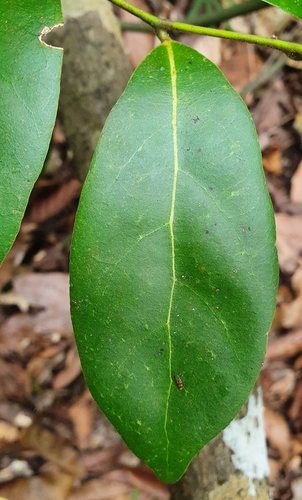
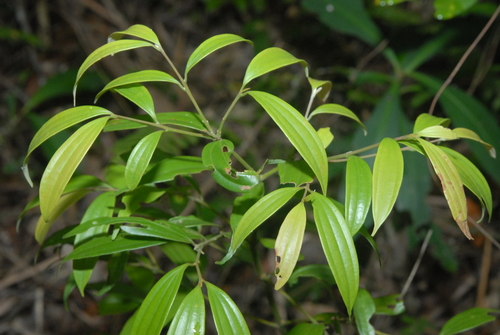
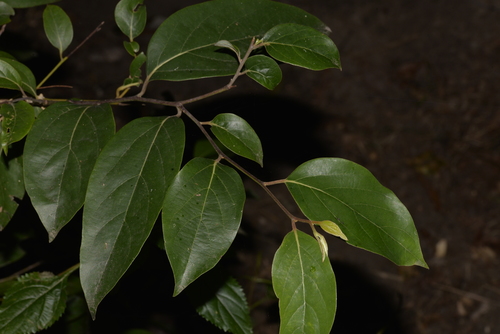
Persea schiedeana, commonly known as the coyo, is an endangered evergreen tree belonging to the laurel family (Lauraceae). It is native to tropical forests of southern Mexico and Central America. Other common names for this species include aguacate de montaña, aguacatón, chinini, chupte and yas. It grows in lowland and montane tropical forests at altitudes up to 2800 meters. It is cultivated for its fruit and also used as grafting stock for common avocado (Persea americana), a related species in the same genus Persea, whose fruit it closely resembles.
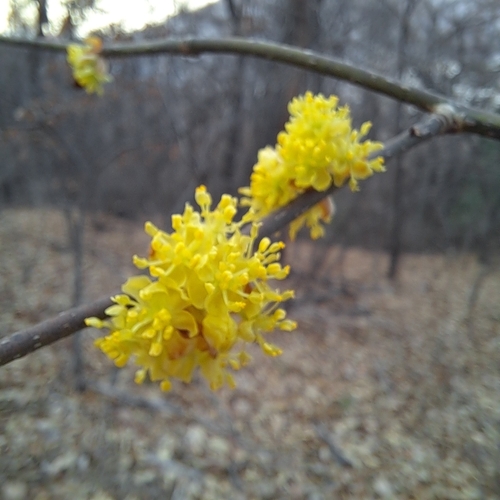
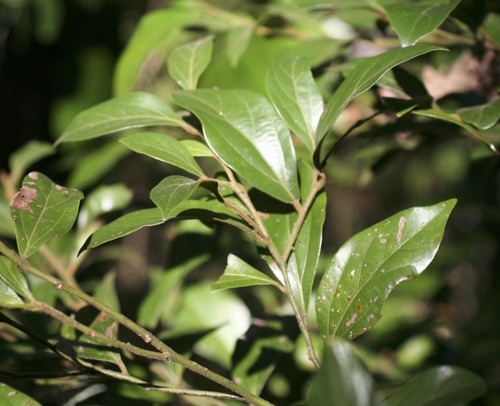
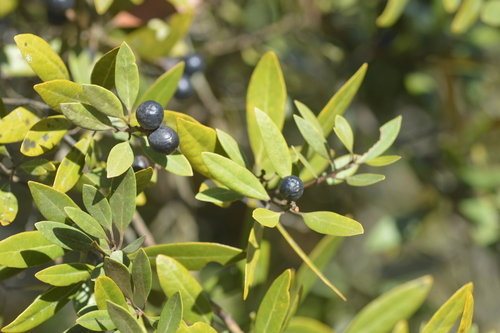
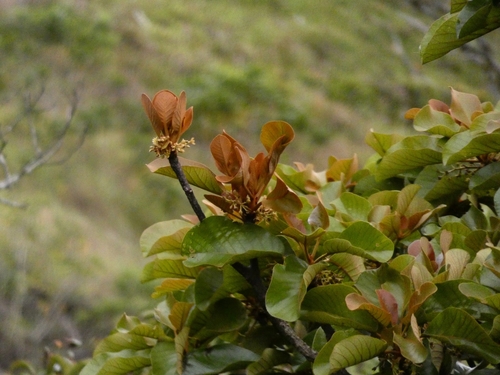
The tree typically reaches around 20 meters in height, and occasionally grows as tall as 50 meters. Its young branches are covered in dense hair. The leaves are deciduous. Its flowers are a light greenish-yellow color, and the stamens turn red as they age. The fruit is generally pear-shaped, with a thick, leathery green skin, very similar in appearance to an avocado. The flesh is oily, contains milky juice, and has a flavor similar to avocado or coconut. Unlike avocado, this fruit has a much larger central seed, and its internal cotyledons are pink. The flesh contains stone cells, giving it a gritty texture that is generally considered undesirable for eating, even though the taste is appealing.
Wild animals that eat the fruit disperse the tree's seeds; these animals include tepezcuintle (Cuniculus paca), tejón coati (Nasua narica) and agoutis (Dasyprocta sp.). Persea schiedeana is classified as endangered because of habitat loss, when forests are cleared to make way for agriculture.