About Perizoma albulata (Denis & Schiffermüller), 1775
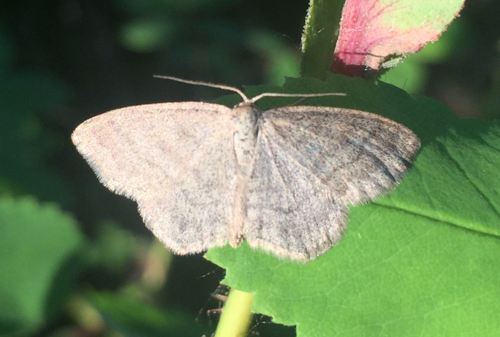
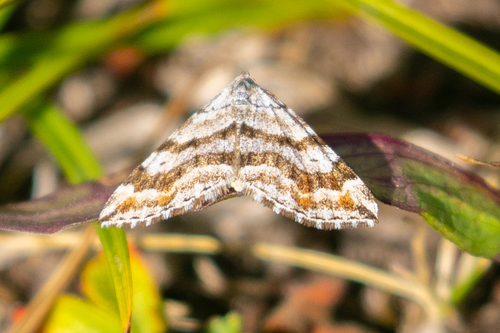
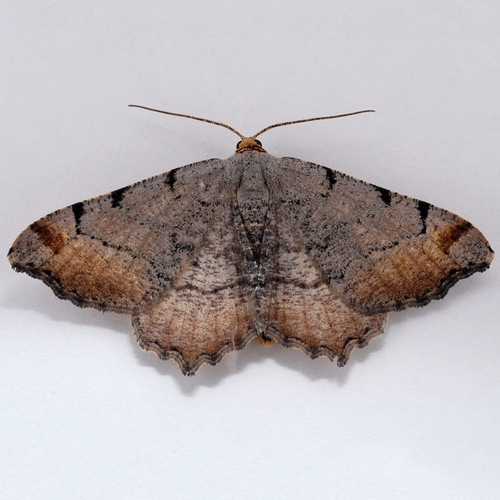
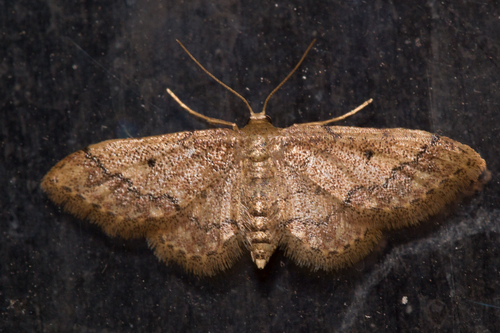
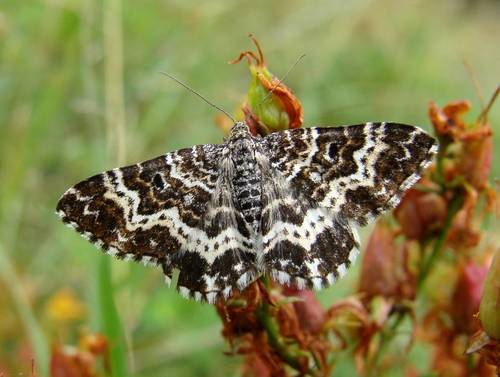
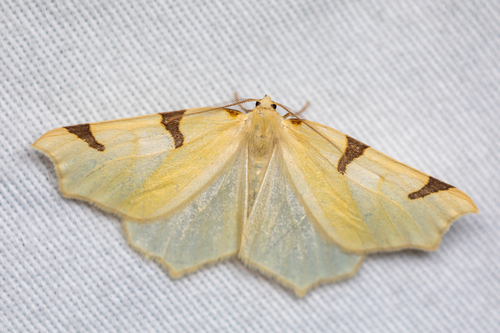
Perizoma albulata (Denis & Schiffermüller), 1775 has a wingspan of 17–21 millimeters. It is related to Perizoma blandiata and Perizoma minorata, and is on average larger, with much weaker brown markings. In the nominal name-type form, the ground color of the wings is white, markings are quite indistinct, light brown or grey-brown, and the median band is barely visible except for its transverse lines. The native English race is less pure white, generally somewhat suffused with greyish or yellowish tones, and does not require a separate name. The form griseaia describes more extreme examples of this English race, where the greyish tone of the markings is more pronounced, with some fuscous admixture; the ground color remains white, but the hindwing is greyish. subfasciaria Boh. is a small yellowish-grey or brownish-grey form with generally weak markings, found in some Scandinavian mountains and in Shetland. The aberration ab. thules Weir is simply an extremely darkened form of subfasciaria, which may occur only in Shetland. dissoluta Strand, from Arctic Norway, is paler than the name-type and likely smaller on average, but not as small as subfasciaria. It also occurs as an occasional aberration in the Swiss Alps, Bucovina and Roumania. The aberration ab. hebudium Weir is a pure white, markingless form that is extremely rare in most locations, but comparatively frequent in the Hebrides. The larva is robust, pale pink in color with a brown head capsule. This species is found across most of Europe, east extending to the Urals and Transcaucasia, and further east in Siberia.