About Penstemon heterophyllus Lindl.
Growth Form
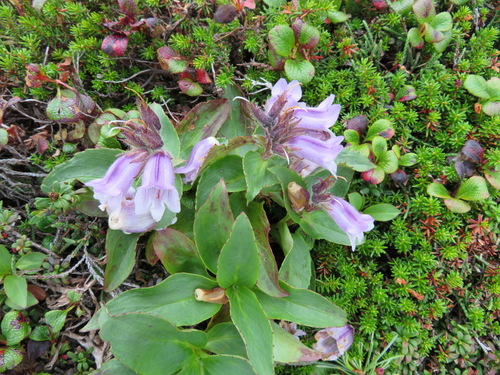
Penstemon heterophyllus Lindl. is a perennial herb that grows upright, branching stems that easily reach over one meter in height, with bases that become woody.
Leaf Characteristics
Its leaves vary in shape and can grow to nearly 10 centimeters long.
Inflorescence and Flowers
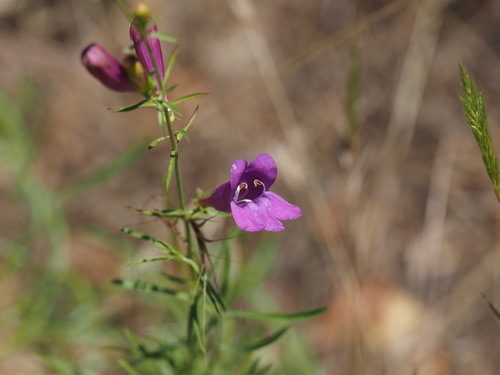
The inflorescence bears several wide-mouthed tubular flowers that can be up to 4 centimeters long, with flower color ranging from shades of blue and purple to nearly magenta.
Ornamental Cultivation
Penstemon heterophyllus is cultivated as an ornamental plant by plant nurseries.
Landscape Uses
It is used as a flowering perennial in traditional flower beds, native plant gardens, drought-tolerant gardens, habitat gardens, and public landscapes.
Ecological Role
It acts as a nectar source for native birds and butterflies.
Cultivar Development
Several cultivars have been selected for distinct flower color and plant form, suited for use in Mediterranean climate and other low-water-use gardens.
Named Cultivars
The known cultivars are Penstemon heterophyllus 'Electric Blue' with intense blue flowers, Penstemon heterophyllus 'Margarita BOP' with sky blue to reddish purple flowers, and Penstemon heterophyllus 'Blue Springs' with bright blue flowers.