About Pemphis acidula J.R.Forst. & G.Forst.
Taxonomy and Common Name
Botanically, Pemphis acidula J.R.Forst. & G.Forst., commonly called mentigi, is a stocky shrub that can grow up to 25 feet (760 cm) tall, with dense, twisted branches.
Leaf Characteristics
Its small, greyish leaves are thick and covered in fine hairs.
Flower Characteristics
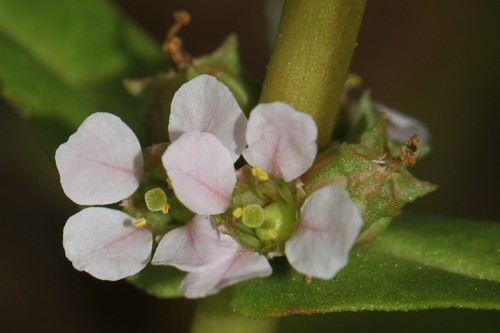
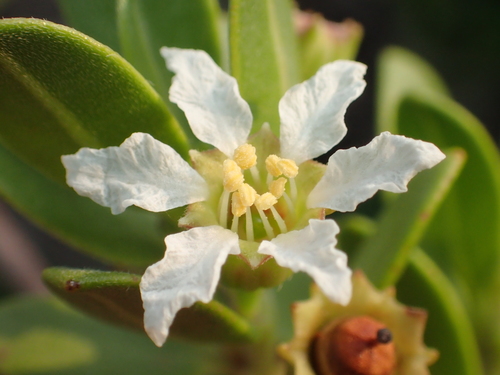
The plant produces small, unscented flowers that grow from 5–15 mm long stalks; each flower has six delicate white petals.
Wood Properties
The wood of Pemphis acidula has traditionally been valued across many cultures because it is hard, heavy, resistant to rot and warping, and naturally has a fine finish.
General Wood Uses
This wood can be crafted into walking canes, fence posts, tool handles, and even anchors.
Regional Common Names
In Réunion and Mauritius, the species is known as bois matelot.
Maldives Wood Uses
In the Maldives, its durable wood was used in traditional shipbuilding to hold hull planks together, and to make "nails" used in local sorcery.
Bonsai Use Overview
Pemphis acidula is also one of the plant species used for bonsai.
Regional Bonsai Cultivation
Because it prefers tropical climates and is resistant to typhoons, it is the most common bonsai species in the Philippines; it is also grown as bonsai in Taiwan and the Ryukyu Islands of Japan.
Philippines Conservation Status
Due to its popularity and high value among bonsai enthusiasts, the species is listed as threatened by the Philippines' Department of Environment and Natural Resources.
Philippines Regulatory Penalties
Collecting, selling, and transporting wild Pemphis acidula is illegal in the Philippines, with penalties including fines and imprisonment of up to six years.
South Pacific Wood Uses
On Marovo Island, in Tonga, Tahiti, and other South Pacific islands, the wood is used to make wooden items including pestles, tool handles, weapons, and combs.
Taiwan Ecological Impact
In Taiwan's Kenting National Park, illegal harvesting of the plant has negatively impacted the coastal ecosystem.