About Pedicularis canadensis L.
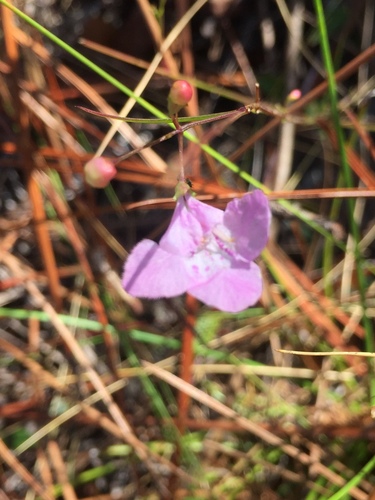
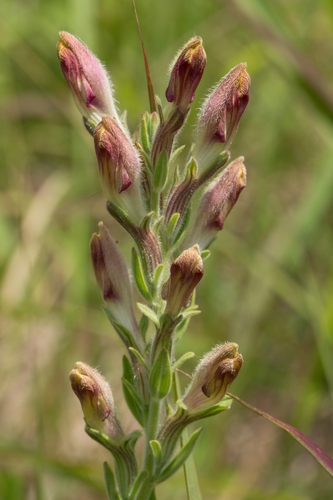
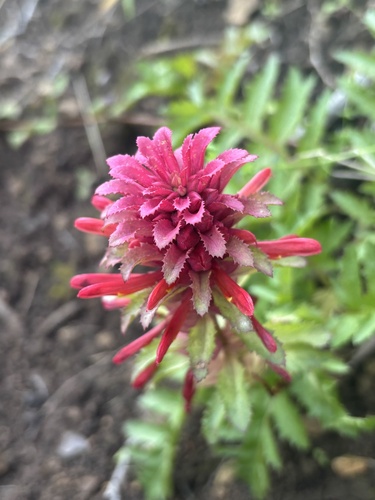
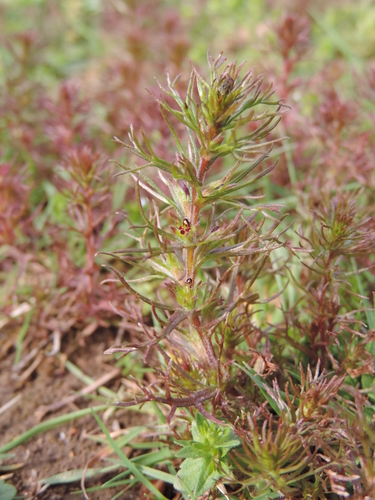
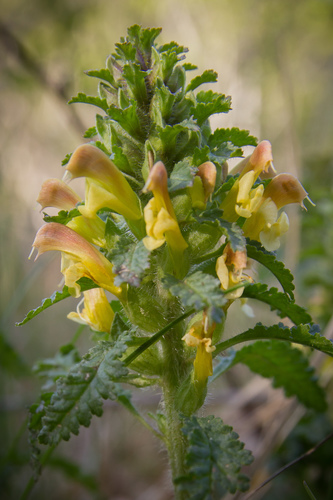
Pedicularis canadensis L. is a perennial, clonal herbaceous plant that grows up to 30 cm (12 in) tall. It produces long, soft, hairy leaves, most of which grow in tufts from the base of the plant. These leaves measure between 12 to 36 cm (4.7 to 14.2 in) in length, are deeply incised and toothed, and often turn reddish-purple when exposed to sunlight. It blooms from spring to summer, between April and June. It produces a broad whorl of tubular, hooded flowers at the top of a segmented stalk. The flowers vary in color from greenish-yellow to purplish-red, and are clustered into short, dense spikes. Bumblebees pollinate these flowers. The fruit it produces is a long brown seed capsule, which disperses its seeds through explosive dehiscence. This species, commonly called wood betony, is broadly distributed across eastern North America, ranging from Quebec west to Manitoba, south to Mexico, and east to Florida. It grows in a wide variety of habitats, including mesic to dry prairies, savannas, barrens, and woodlands. In the Chicago region, it is classified as a conservative species with a coefficient of conservatism of 9. Pedicularis canadensis is a hemiparasite: it attaches to the roots of many different plant species, but also produces its own chlorophyll. Its roots also form a symbiotic relationship with a fungus that helps the plant gather nutrients. The presence of this plant is correlated with increased floristic quality in prairies. The leaf beetle Capraita circumdata has been collected from inside its flowers. Multiple ant species have been recorded visiting its flowers: Crematogaster cerasi, Formica incerta, Formica subsericea, and Lasius alienus. Documented bee species that visit wood betony flowers include Augochlorella aurata, Bombus auricomus, Bombus bimaculatus, Bombus fervidus, Bombus griseocollis, Bombus impatiens, Bombus vagans, Halictus confusus, and Lasioglossum anomalum. The Iroquois people ate this plant as a vegetable, most often in soup. Native Americans mixed the plant with oats to use as horse feed. Native Americans also used an infusion of the root to treat stomachaches, diarrhea, anemia, and heart trouble, and prepared a poultice from the plant to treat swellings, tumors, and sore muscles.