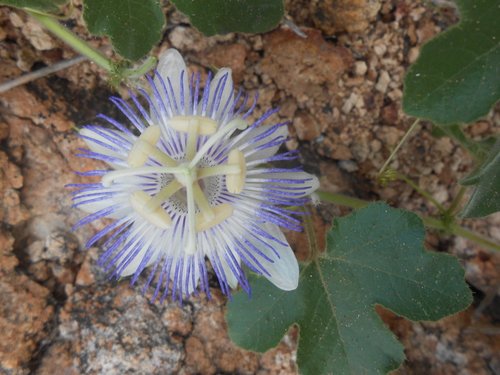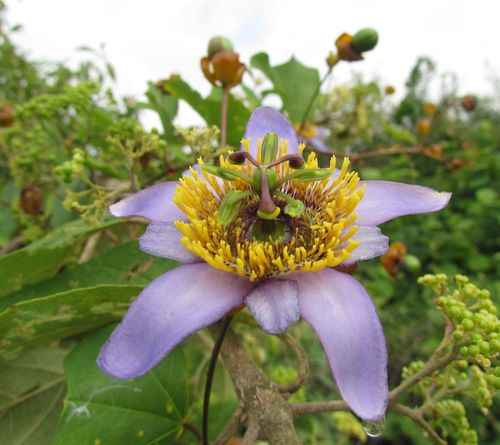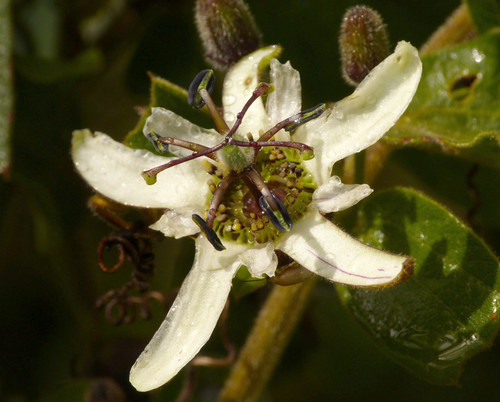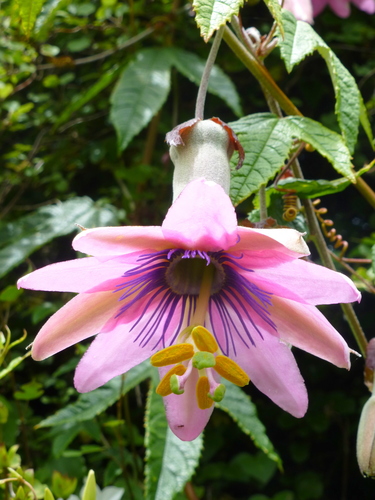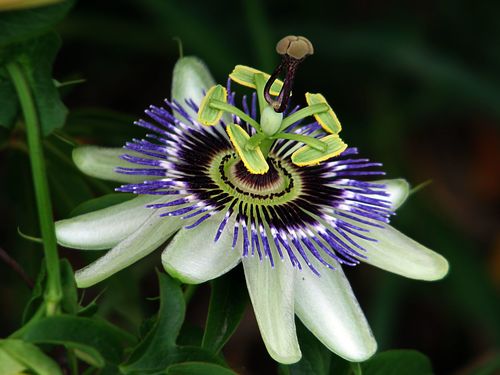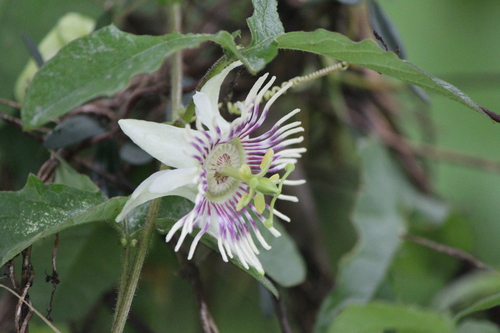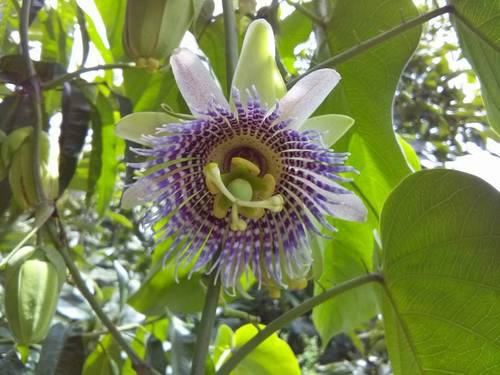
About Passiflora ligularis Juss.
Passiflora ligularis Juss., commonly known as sweet granadilla, grenadia, or sugarfruit, is a plant species in the passionflower genus Passiflora, within the family Passifloraceae. This species is native to Central America and northwestern South America. It has been introduced and cultivated in many regions across the globe, including India, East Asia, Southeast Asia, New Zealand, Australia, and several Pacific Islands. It is classified as invasive in a number of countries and territories: Haiti, Jamaica, Indonesia, the Galapagos Islands, and Samoa. Introduction of this species is prohibited in New Caledonia, because it is likely to become a problematic weed there. Sweet granadilla can impact agriculture by suppressing native vegetation, limiting access to areas, and posing risks to livestock, as it may have toxic properties. It can also invade forests and other natural habitats, where it displaces native undergrowth species. This species has four distinct life cycle stages. Under ideal conditions, its seeds germinate within 15 days. Germination speed is affected by the maturity of the source fruit and the fermentation time of the seeds. Vegetative growth is defined by rapid development of climbing stems and lobed leaves. Adequate light, water, and nutrients are critical for healthy growth during this stage. Flowers emerge roughly six months after planting. Efficient pollination relies on pollinators such as carpenter bees of the genus Xylocopa. Fruit ripens approximately 70 days after pollination, and contains sweet, aromatic pulp. For cultivation management, balanced nitrogen-phosphorus-potassium (N-P-K) fertilizer should be applied every 4 to 6 weeks during the growing season. Application rates should be adjusted based on soil test results and the specific needs of individual plants. As a climbing vine, Passiflora ligularis benefits from support structures such as trellises. These structures improve air circulation around the plant and increase its exposure to sunlight. Regular pruning removes dead or diseased foliage, directs the plant's energy toward fruit production, and lowers the risk of disease.