About Pammene rhediella (Clerck, 1759)
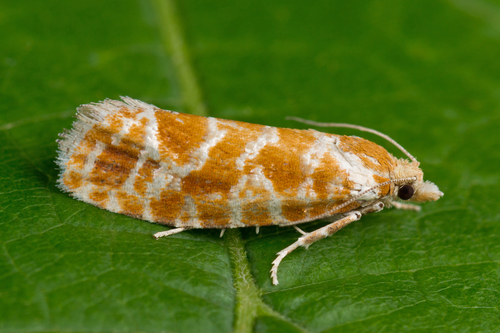
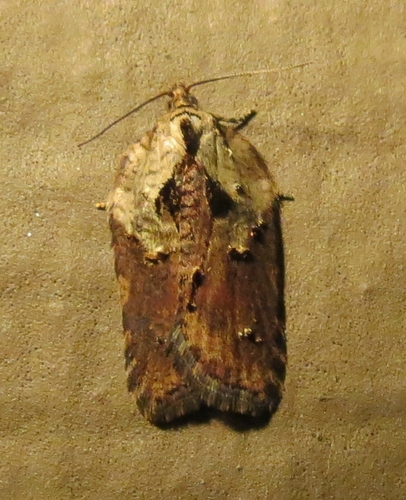
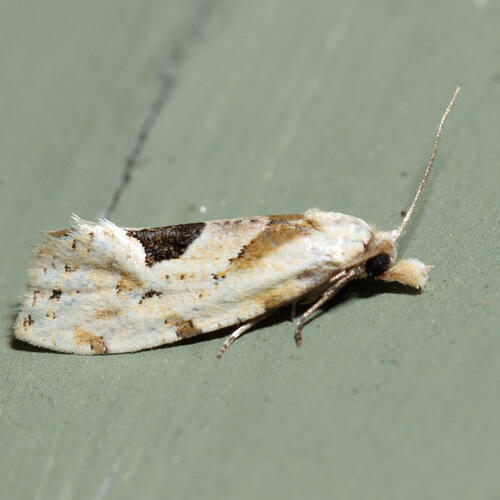
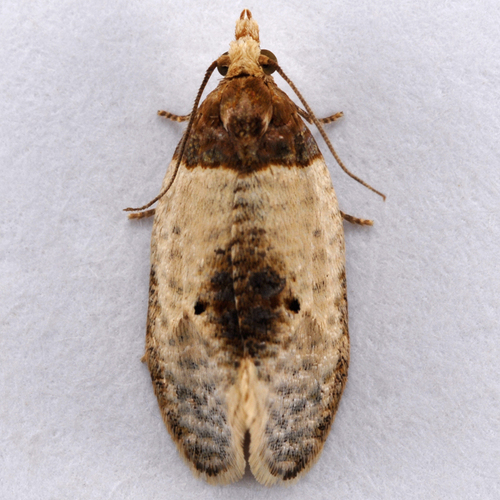
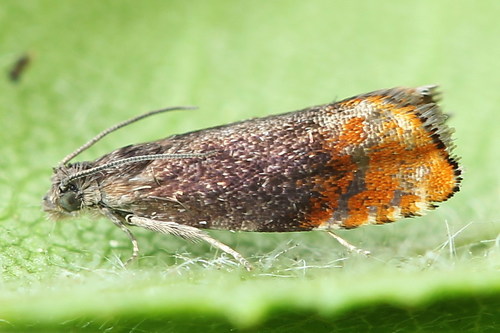
Pammene rhediella is a moth species that belongs to the family Tortricidae. It was first described by Carl Alexander Clerck in 1759. It is native to Europe and across the Palearctic. The wingspan of this species measures 9 to 12 millimeters. The forewings are dark fuscous; the central fascia is darker with a ferruginous tinge, and the apical area beyond this fascia is entirely deep ferruginous-orange, marked with leaden-metallic spots and striae. The hindwings are fuscous, with males having a blackish spot on vein 1c towards the termen. The larva of Pammene rhediella develops inside the flowers and fruits of shrubs and trees in the rose family. It most often feeds on hawthorn, but it is occasionally found on apple and pear. Adult moths fly between May and June, and are most active during the daytime when flying over the tops of hawthorn trees in hot sunshine. Since the species' main host plant is hawthorn, it is usually not considered a problematic pest. However, it can cause significant damage when it attacks commercial fruit trees.