About Paleacrita vernata (Peck, 1795)
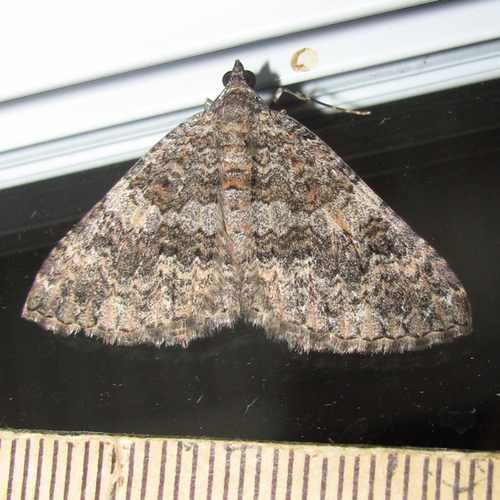
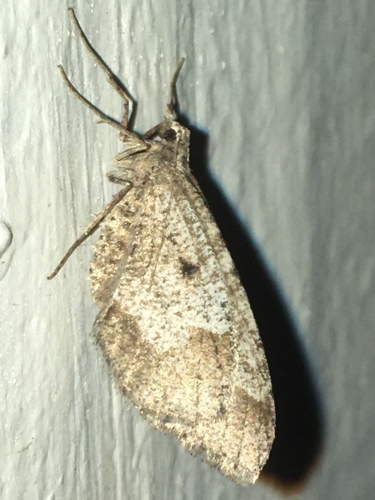
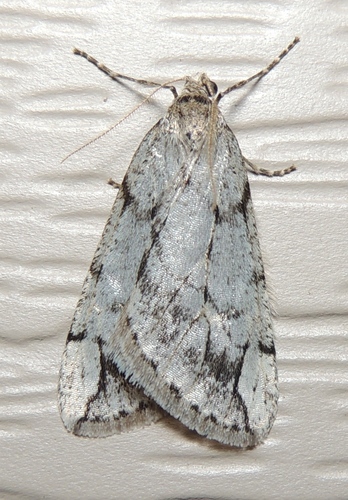
Paleacrita vernata, commonly called the spring cankerworm, is a moth species in the family Geometridae. It was first formally described by William Dandridge Peck in 1795. This species is distributed across North America, ranging from the Atlantic Ocean westward to Alberta, Texas, and California. For male individuals, the forewings measure between 11 and 18 mm in length. Female spring cankerworms are wingless. Adult males fly from February to late May. The larvae of this species feed on a wide variety of deciduous trees and shrubs, with a particular preference for species in the genera Acer, Ulmus, Betula, and Prunus. Oaks from the genus Quercus are also commonly affected by this feeding. Many homeowners place sticky bands around the trunks of their trees to trap migrating adult spring cankerworms as the moths climb trees to lay eggs. Once the eggs hatch, they produce numerous inch-long larvae that can fully defoliate a tree and even kill it. These larvae often fall from tree canopies onto people passing below. If dislodged from their leaf-feeding by spring winds, the worms are typically suspended by a silk line that they can use to climb back into the tree.