About Pachyrhizus erosus (L.) Urb.
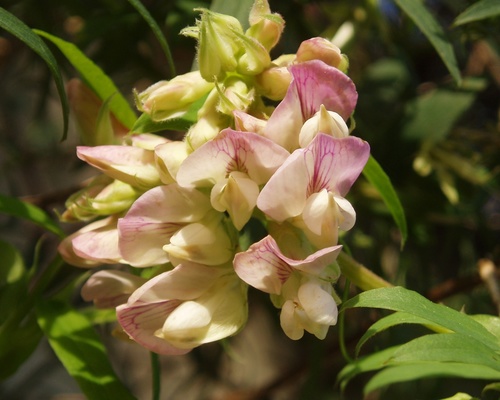
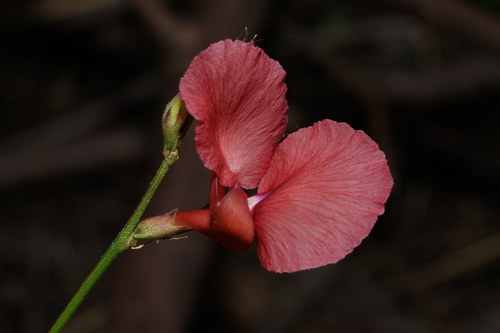
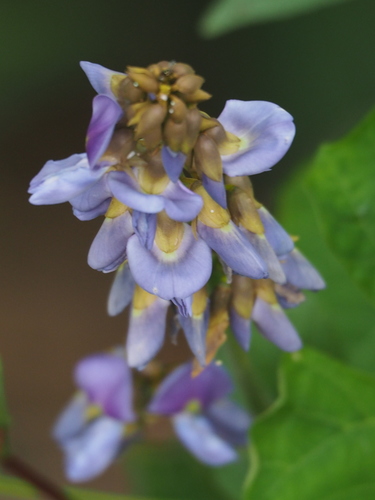
Pachyrhizus erosus, commonly known as jícama, is a climbing vine that can reach 4–5 meters (13–16 feet) in height when provided with suitable support. Its edible root can grow up to 2 meters (6 1⁄2 feet) long and weigh up to 20 kilograms (44 pounds). The heaviest recorded jícama root weighed 23 kilograms (51 pounds), and was discovered in the Philippines in 2010. Jícama is sensitive to frost, and requires nine consecutive frost-free months to produce large tubers for a good harvest or for commercial cultivation. It can still be successfully grown in cooler regions that have at least five consecutive frost-free months, though the resulting tubers will be smaller. In warm temperate regions with at least five months without frost, seeds can be started eight to ten weeks before the last spring frost. Bottom heat is recommended for germination, as jícama seeds need warm temperatures to sprout, so seed pots must be kept in a warm location. Jícama is not suited for regions with short growing seasons unless it is grown inside a greenhouse. In tropical regions, growers can sow jícama seeds at any time of year. In subtropical regions, growers should sow seeds once the soil has warmed up in spring. Unlike the edible root, all other parts of the jícama plant are very poisonous. The plant's seeds contain the toxin rotenone, which is used to poison insects and fish. Mature jícama seeds have a high rotenone content, and commercial jícama cultivation has considered using these seeds as a source of insecticide.