About Pachypodium bispinosum (L.fil.) A.DC.
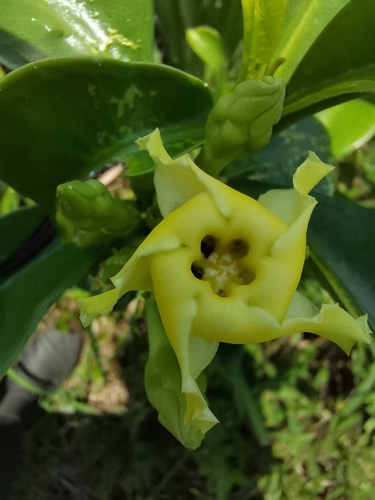
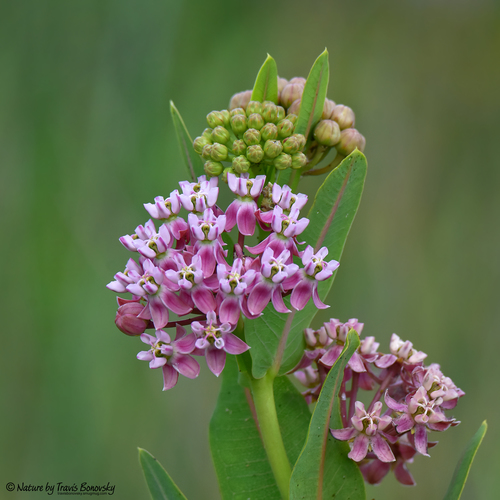
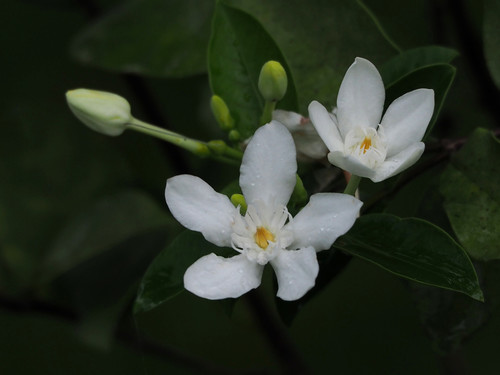
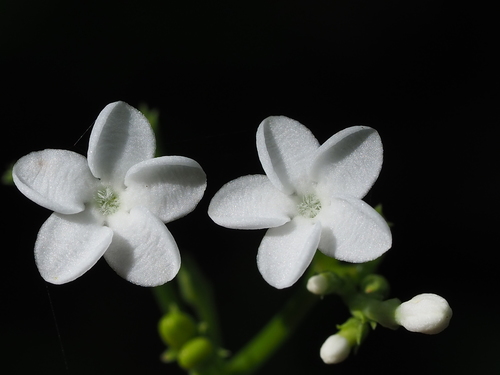
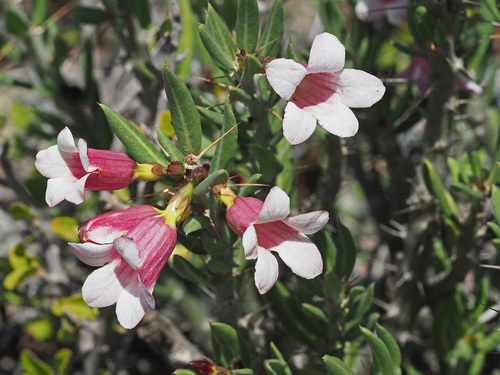
Pachypodium bispinosum (L.fil.) A.DC. has a swollen, tuberous stem (called a caudex) that reaches up to 0.6 meters tall and is partially buried under the soil. Thick, bonsai-like branches grow from the top of the stem. These branches are covered with pairs of straight spines 10–20 mm long, which are somewhat shorter than the spines of other Pachypodium species. Its narrow leaves grow scattered or in tufts along the branches. From August to December, the plant produces a small number of purple to pink flowers, clustered at the tips of the branches. These flowers are bell-shaped and measure around 15–20 mm in diameter. This species is the most floriferous Pachypodium when grown in cultivation. Its leaves are less hairy than the leaves of other species in the genus, and their margins curl downward more noticeably. Pachypodium bispinosum is almost entirely restricted to the Eastern Cape Province of South Africa. In its native habitat, it grows in stony locations within dry succulent scrub. When it does not have flowers, it cannot be distinguished from Pachypodium succulentum, a species that shares an overlapping natural range with it.