About Otoglyphis factorovskyi (Warb. & Eig) Oberpr. & Vogt
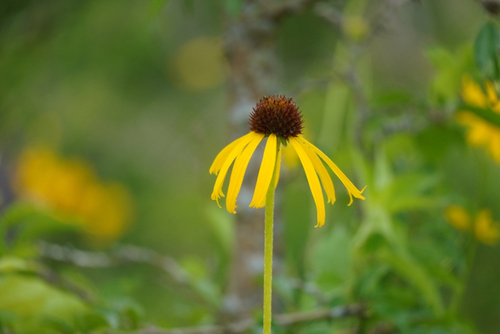
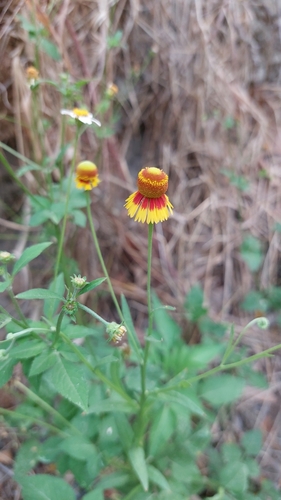
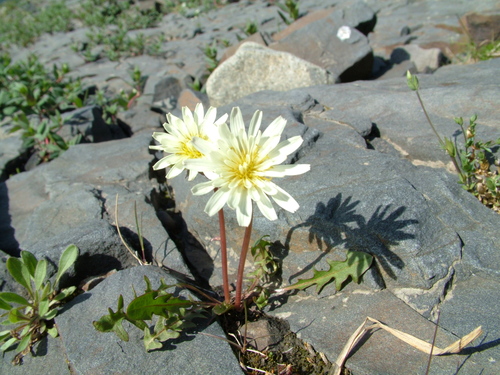
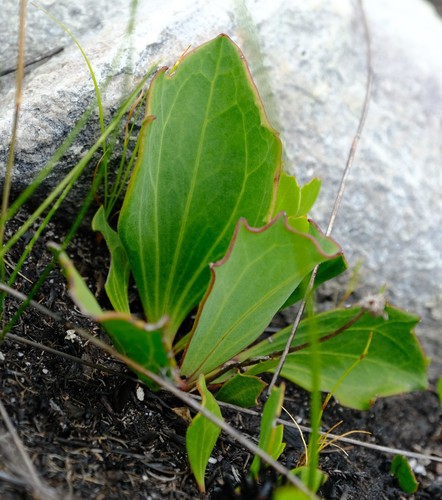
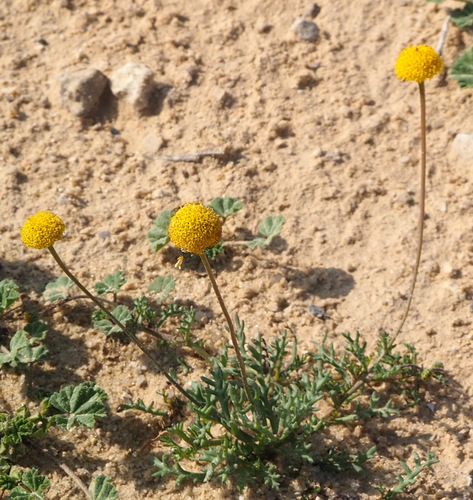
Otoglyphis factorovskyi is an annual plant. It produces foliage from late October to early April, and blooms from early to mid-January. Its fruit consists of two achenes, which begin growing in late February and ripen by early April, after which seeds are dispersed. Its yellow inflorescences hold many tubular flowers, and are supported by long peduncles. Its pollen grains are roughly spherical in shape. Otoglyphis factorovskyi is distributed from central Israel to Iraq and the Arabian Peninsula. It also occurs in the Judean Desert, the Samaria region, and parts of Jordan. It grows in desert depressions and wadis, on sand, sandy gravel, loam, and clay soils, and is occasionally found on rocky slopes and silty plains, at elevations between 10 and 410 metres (33 to 1,345 ft). The more water this plant receives, the more inflorescences it produces, and it thrives in wadis during periods of heavy rain. The plant's bulb tastes like chestnuts when cooked. Otoglyphis factorovskyi is known to have medicinal properties, and was frequently used by residents of Jordan's Showbak region. Extract from the plant, when combined with silver nanoparticles, has been found to have antibacterial effects.