About Ormocarpum trichocarpum (Taub.) Engl.
Ormocarpum trichocarpum, commonly known as the hairy-fruited ormocarpum, is a species of flowering plant in the legume family. Native to Southeast Asia, it can be found in countries such as Thailand, Malaysia, and Indonesia.
Size and Trunk Features
The plant typically grows up to 10 meters tall and features a straight trunk with smooth bark.
Leaf Structure
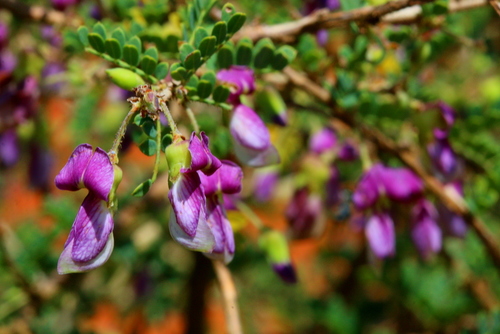
Its leaves are pinnate, consisting of 5 to 7 oblong or elliptic leaflets.
Flower Traits
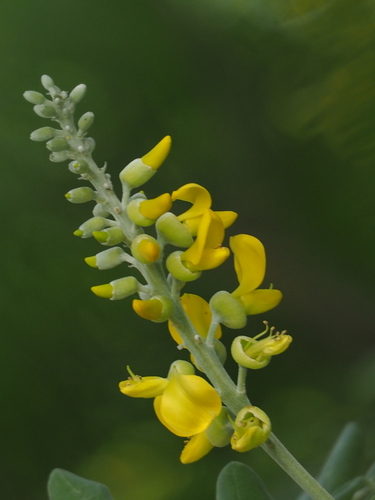
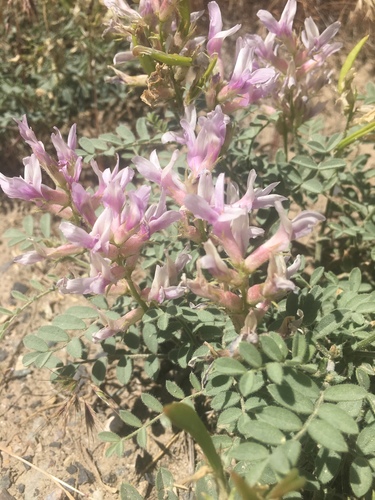
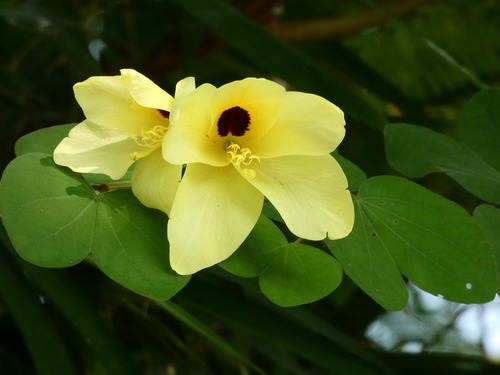
The flowers of Ormocarpum trichocarpum are small and yellowish-green, growing on long spikes that emerge from the branches during the flowering season.
Fruit Characteristics
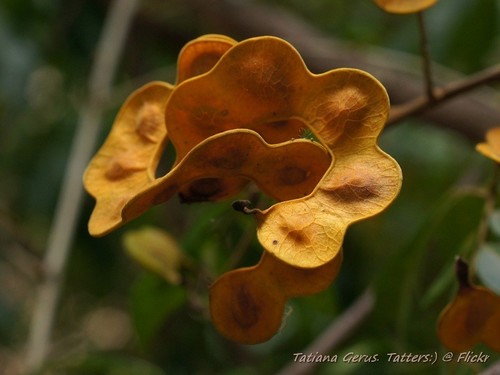
The plant produces hairy pods that can grow up to 15 cm long, each containing several seeds.
Traditional Medicinal Uses
Traditionally, healers across Southeast Asia have used Ormocarpum trichocarpum for treating ailments such as fever, coughs, diarrhea, dysentery, and skin diseases, thanks to its anti-inflammatory properties.
Cultivation Requirements
Ormocarpum trichocarpum thrives in full sun exposure or partial shade and requires well-drained soil conditions, making it an ideal ornamental tree for landscaping due to its attractive foliage, which turns yellow before falling off during autumn.
Conservation Status
However, it is important to note that this species is considered endangered due to habitat loss caused by deforestation activities within its native range. Conservation efforts are essential to ensure its preservation.