About Oenothera affinis Cambess.
Classification and Native Range
Oenothera affinis, commonly known as Evening Primrose, is a flowering plant in the Onagraceae family. Native to North America, it thrives in various habitats, including prairies, meadows, and open woods.
Size and Growth Habit
The plant typically reaches a height of 1 to 2 feet and has a similar spread of 1 to 2 feet.
Leaf Characteristics
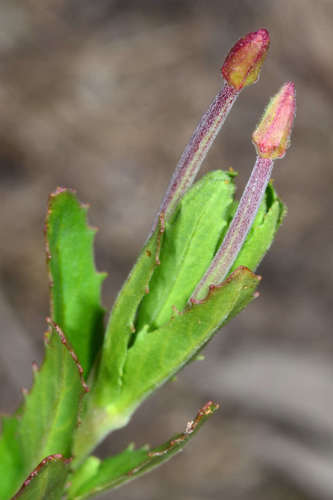
The leaves of Oenothera affinis are lance-shaped with toothed edges and are arranged alternately along the stem.
Flower Features
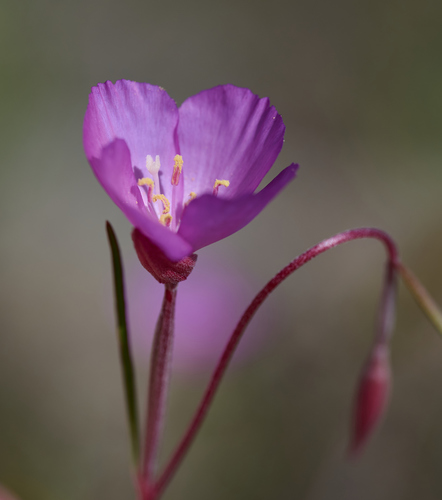
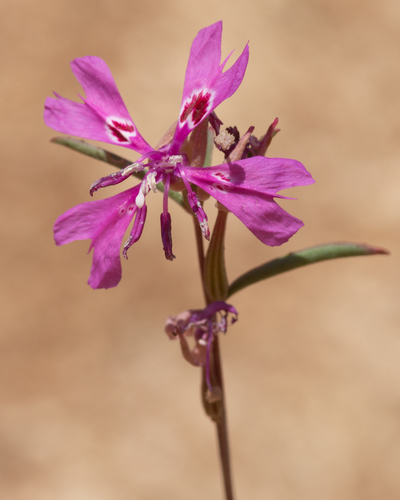
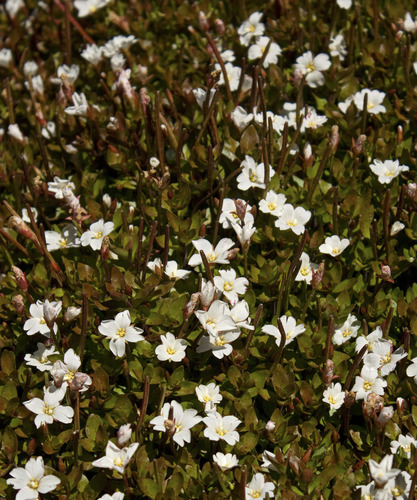
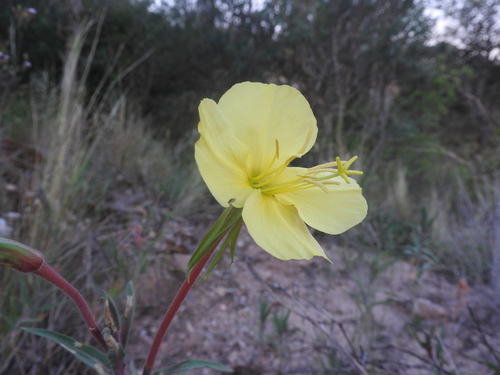
Its bright yellow flowers, which bloom in late spring or early summer, have four petals each. These flowers open at dusk or on cloudy days, releasing a sweet fragrance that attracts moths for pollination.
Medicinal Components
Evening Primrose is known for its medicinal properties, particularly its high levels of gamma-linolenic acid (GLA).
Medicinal Benefits
GLA has anti-inflammatory properties that can help alleviate symptoms of conditions such as eczema, rheumatoid arthritis, and premenstrual syndrome (PMS).
Preferred Growing Conditions
The plant prefers well-drained soil and full sun exposure but can also tolerate partial shade.
Cultivation Tips
It is easy to grow from seeds or cuttings, though it may require some maintenance, such as the regular deadheading of spent flowers.
Overall Value
Overall, Oenothera affinis is an attractive flowering plant with medicinal benefits, making it an excellent addition to any garden or landscape design project.