About Neurocordulia yamaskanensis (Provancher, 1875)
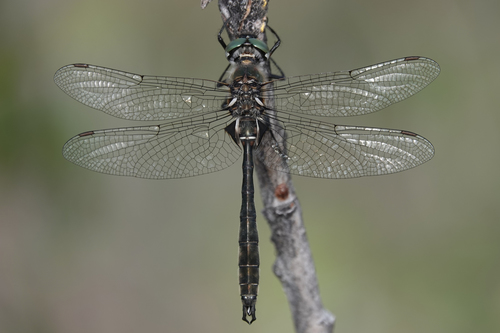
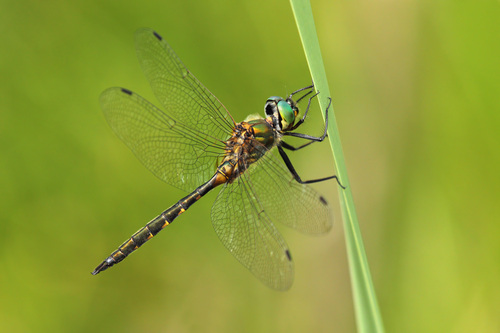
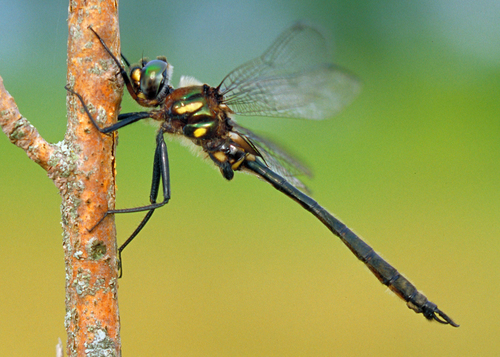
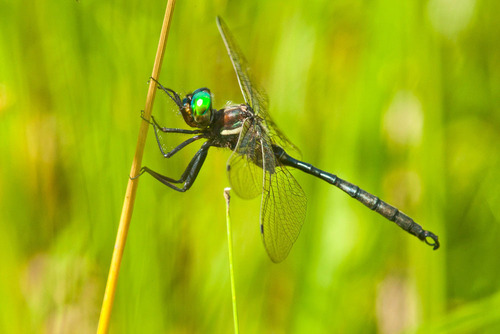
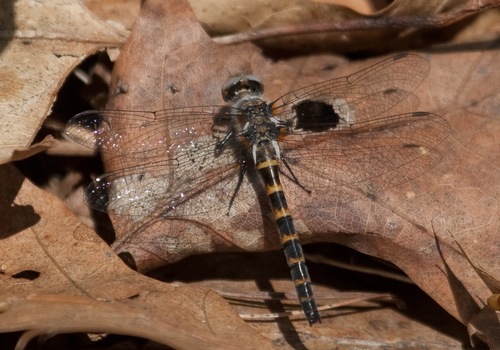
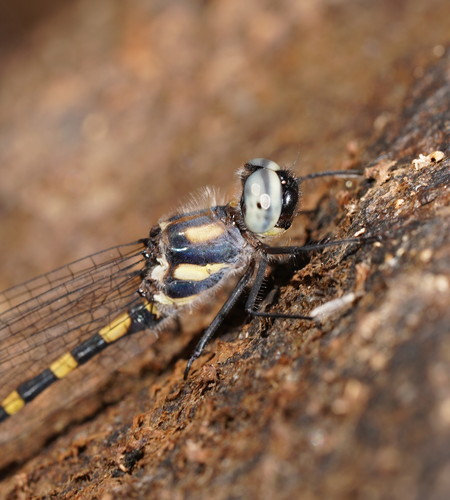
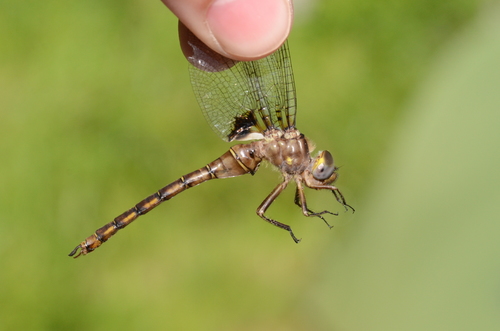
Neurocordulia yamaskanensis, commonly known as the Stygian shadowdragon, is a species of dragonfly distributed across the eastern United States and southern Canada. It was first discovered in Quebec in 1875 by naturalist Léon Abel Provancher. Like all other members of the genus Neurocordulia, this species has the unusual trait of being crepuscular – it is only active for a short window of time at dawn and dusk. Because of this restricted activity period, the Stygian shadowdragon and other species in its genus are rarely encountered by casual observers. Individuals may occasionally fly on heavily overcast days; most of the time, however, they spend the day roosting in treetops and bushes near the shorelines of the streams, rivers, and lakes they patrol during their active hours. The Stygian shadowdragon's range covers most mid-Atlantic U.S. states, extending north into southern Canada and south to the Mason–Dixon line. It is one of the larger species in the shadowdragon genus, reaching around 2 inches in length. Its relatively clear wings each have a large brown spot at the base, a feature that helps distinguish this species from other shadowdragons. Due to its very limited daily activity window, less information is available about the Stygian shadowdragon's life cycle than for most other dragonfly species. Nymphs likely live in the stream beds of the species' inhabited habitat for one year or longer, before crawling out onto rocks or trees along the stream or river, where adults emerge from their exoskeletons and take flight. Across its entire range, this species is most commonly observed during the month of June.