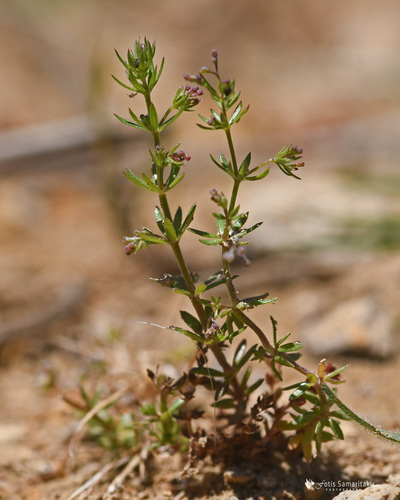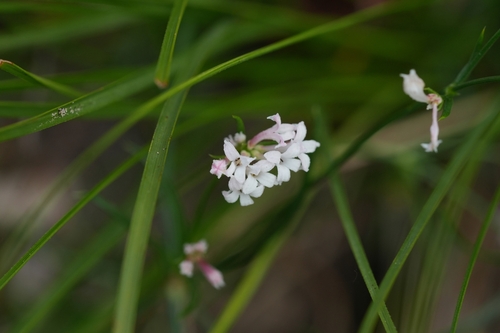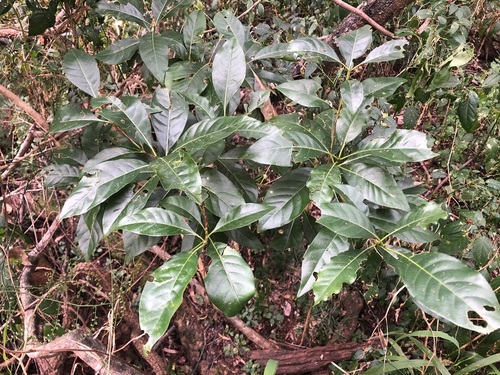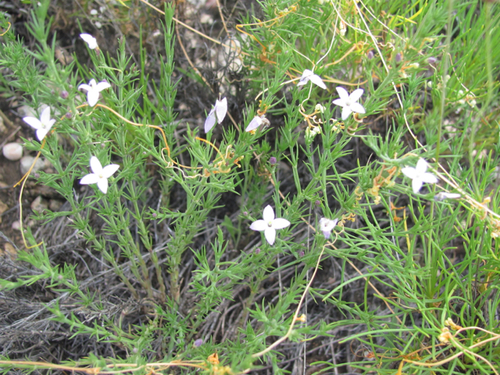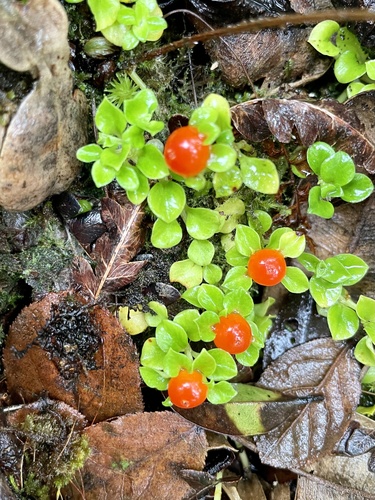
Nertera granadensis (Mutis ex L.f.) Druce is a plant in the Rubiaceae family, order Gentianales, kingdom Plantae. Toxic/Poisonous.

Photo of Nertera granadensis (Mutis ex L.f.) Druce (Nertera granadensis (Mutis ex L.f.) Druce)
🌿 Plantae ⚠️ Poisonous

Nertera granadensis (Mutis ex L.f.) Druce

Nertera granadensis (Mutis ex L.f.) Druce

Nertera granadensis is an ornamental Rubiaceae plant with orange berries distributed around the Pacific, with mild toxicity reported from child ingestion cases.

Family
Genus
Nertera
Order
Gentianales
Class
Magnoliopsida

⚠️ Is Nertera granadensis (Mutis ex L.f.) Druce Poisonous?

Yes, Nertera granadensis (Mutis ex L.f.) Druce (Nertera granadensis (Mutis ex L.f.) Druce) is classified as poisonous or toxic. Toxicity risk detected (mainly via ingestion); avoid direct contact and ingestion. Never consume or handle this species without proper identification by an expert.

About Nertera granadensis (Mutis ex L.f.) Druce

Nertera granadensis (Mutis ex L.f.) Druce, commonly called coral bead plant, pin-cushion plant, coral moss, or English baby tears, is a member of the genus Nertera in the Rubiaceae plant family that produces orange berries. This species has an unusually extensive transcontinental distribution surrounding the Pacific Ocean. It grows from southern Chile and western Argentina north to Guatemala, and also grows in Hawaii, New Zealand, eastern Australia, Indonesia, Malaysia, Papua New Guinea, the Philippines, and Taiwan; this broad range may be a result of its cultivation as a ground cover. In tropical biomes of the western Pacific, Nertera granadensis only grows at high altitudes, and it also occurs on the Juan Fernández Islands. Nertera granadensis is grown as an ornamental plant in gardens. In Mapudungun and Chilean Spanish, the plant is called rucachucao. Its specific epithet granadensis comes from New Granada, the former name of Colombia. The plant’s brightly colored fruit can be visually attractive to young children and pets. A publication by German scientists recorded that out of 21 confirmed cases of children ingesting this plant, five developed mild poisoning symptoms including tiredness, stomach pains, and vomiting.
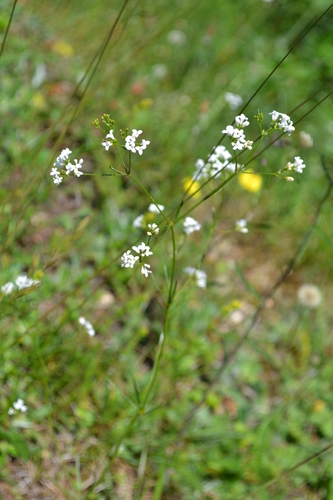
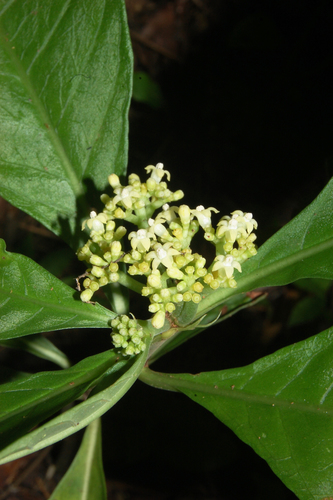
Photo: (c) Melissa Tulig, some rights reserved (CC BY-NC), uploaded by Melissa Tulig · cc-by-nc

Taxonomy

Plantae Tracheophyta Magnoliopsida Gentianales Rubiaceae Nertera
⚠️ View all poisonous species →

More from Rubiaceae

Sources: GBIF, iNaturalist, Wikipedia, NCBI Taxonomy · Disclaimer

Identify Nertera granadensis (Mutis ex L.f.) Druce instantly — even offline

iNature uses on-device AI to identify plants, animals, fungi and more. No internet needed.

Download iNature — Free

Start Exploring Nature Today

Download iNature for free. 10 identifications on us. No account needed. No credit card required.

Download Free on App Store