About Nephrophyllidium crista-galli (Menzies ex Hook.) Gilg
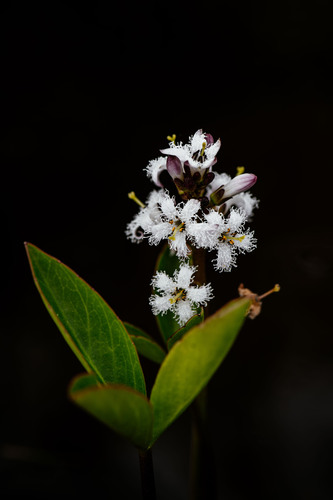
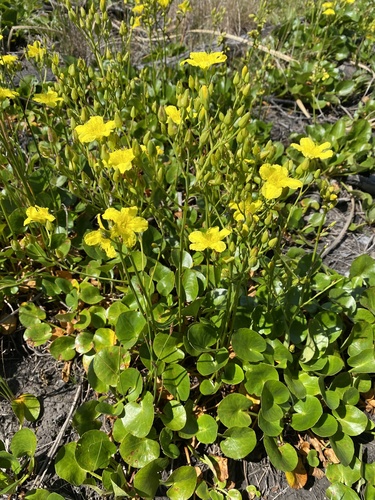
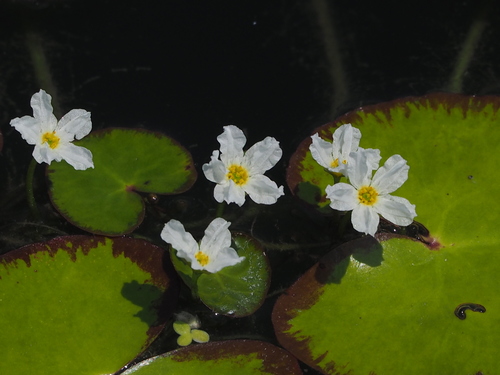
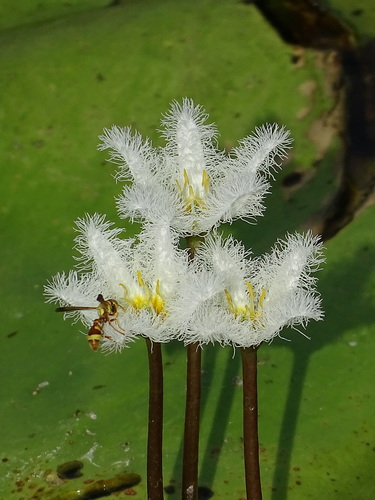
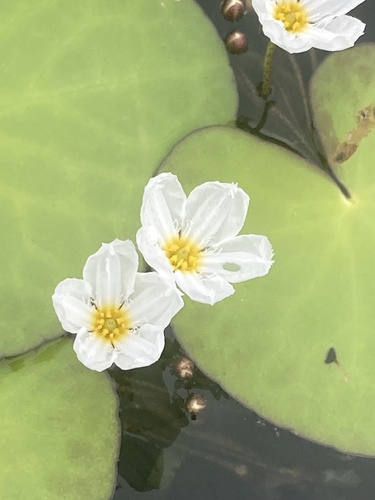
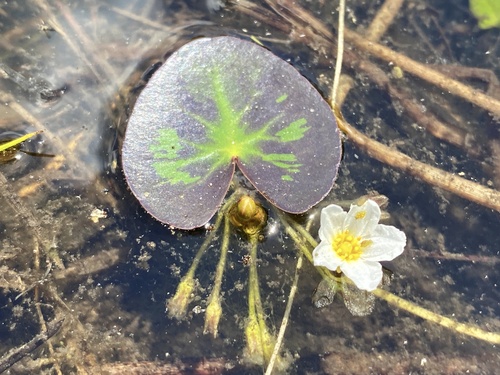
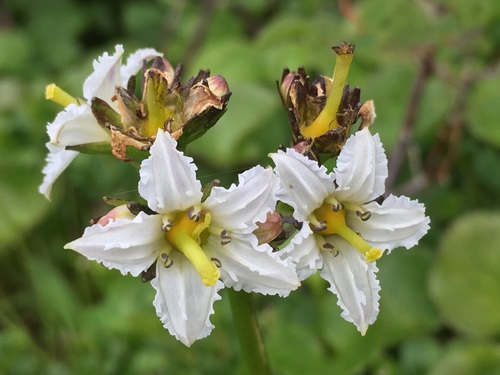
Nephrophyllidium is a monotypic genus of aquatic flowering plants belonging to the family Menyanthaceae. Nephrophyllidium crista-galli is the only species in this genus. These plants grow in wetlands, and have basal reniform (kidney-shaped) leaves with crenate margins. Their flowers are five-parted, white, and have petals with lateral wings and a midline keel. Nephrophyllidium is most closely related to Menyanthes, which shares a very similar growth habit. The genus name comes from the plant’s kidney-shaped leaves: it combines the Greek words nephros, meaning kidney, and phyllon, meaning leaf. The specific epithet crista-galli refers to the plant’s curled petal edges, from the Latin phrase crista galli meaning cockscomb. Nephrophyllidium crista-galli is native to the Pacific Northwest of North America and Japan. Populations found in Japan are often classified as the subspecies Nephrophyllidium crista-galli subsp. japonicum (Franch.) Yonek. & H.Ohashi. This species and genus are commonly known by the common name deer cabbage. The International Association for Plant Taxonomy (IAPT) found that Fauria Franch., an earlier synonym for this genus, too closely resembled the name of the unrelated Proteaceae genus Faurea. For this reason, the IAPT conserved Nephrophyllidium as the accepted name for the genus.