About Neolitsea dealbata (R.Br.) Merr.
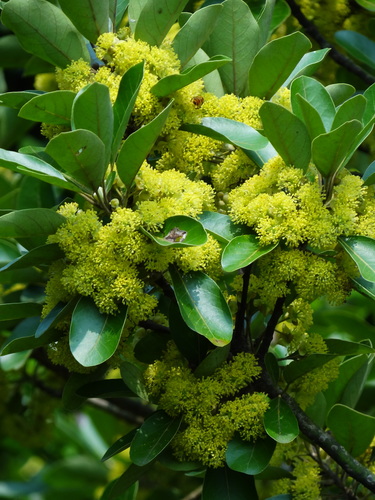
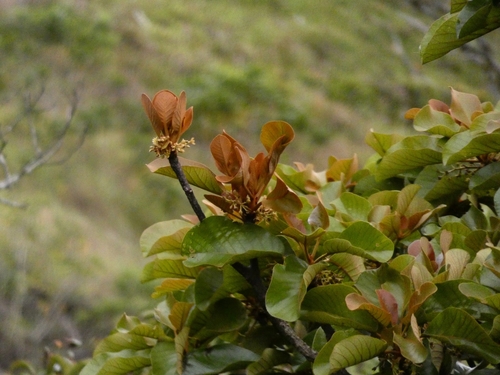
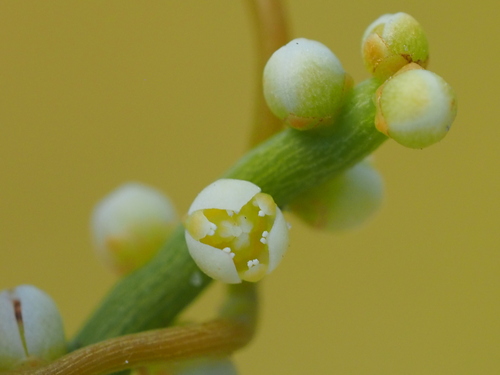
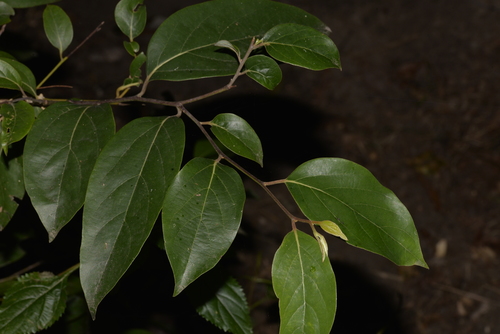
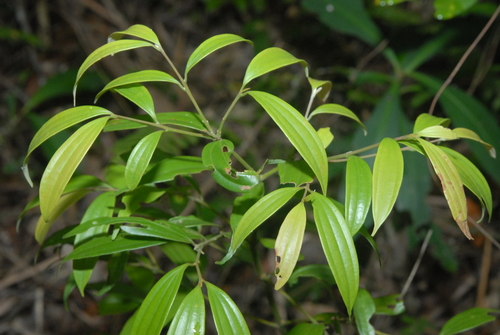
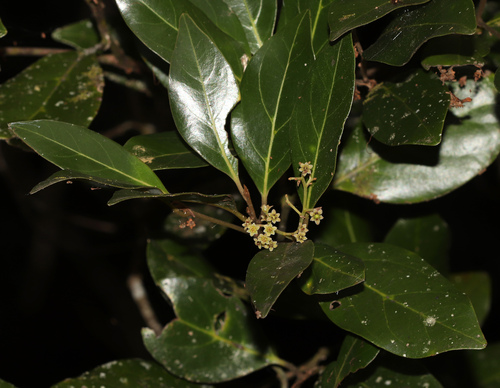
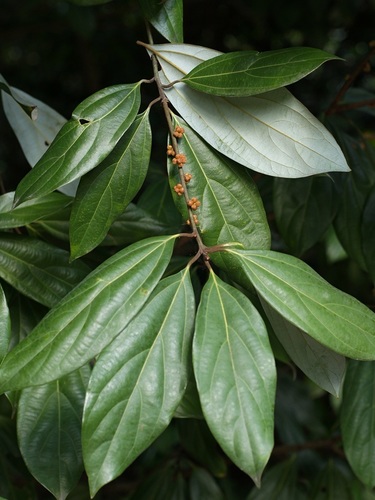
Neolitsea dealbata, commonly called bolly gum, is an evergreen tree that grows up to 15 m (49 ft) tall. Its trunk can reach 30 cm (12 in) in diameter and may be buttressed. Younger twigs are densely covered in fine brown hairs, and all twigs are terete, meaning circular in cross-section. Its leaves are typically elliptic, but may also be obovate or lanceolate; new leaf growth is also covered in brown hairs. Mature leaves measure 7 to 22 cm (2.8 to 8.7 in) long and 3 to 8 cm (1.2 to 3.1 in) wide. The upper leaf surface is glossy green, while the underside is whitish or glaucous. The plant produces umbel-shaped inflorescences that grow from leaf axils or directly from twigs, with up to five flowers per umbel. Flowers are cream, yellow, or pale brown, and measure 2 to 8 cm (0.79 to 3.15 in) long. Female flowers are around half the length of male flowers. The fruit is a roughly spherical (globose) drupe up to 11 mm (0.43 in) in diameter; it is green when immature and turns dark red to black when ripe, and contains a single seed. Bolly gum has a wide distribution in coastal and adjacent tableland areas of eastern Australia, ranging from the Torres Strait islands south to the Illawarra region south of Sydney. It grows as an understory species in rainforest and wet sclerophyll forest across a variety of soil types, at altitudes from sea level up to 1,150 m (3,770 ft). Ecologically, this plant acts as a host species for the larvae of the moths Acrocercops ordinatella and Gibbovalva quadrifasciata, as well as for larvae of the blue triangle butterfly (Graphium sarpedon). Cassowaries (Casuarius casuarius) and fruit doves of the genus Ptilinopus are known to eat the fruit of these trees, and it is considered likely that many other frugivorous birds also consume the fruit. The fungus Phyllachora queenslandica is found growing on Neolitsea dealbata.