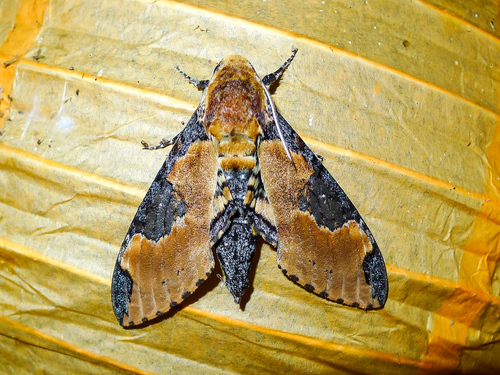
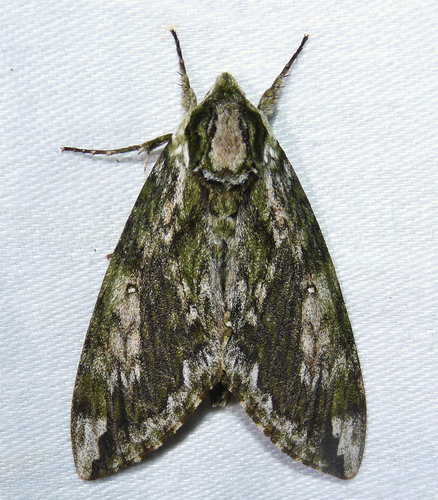
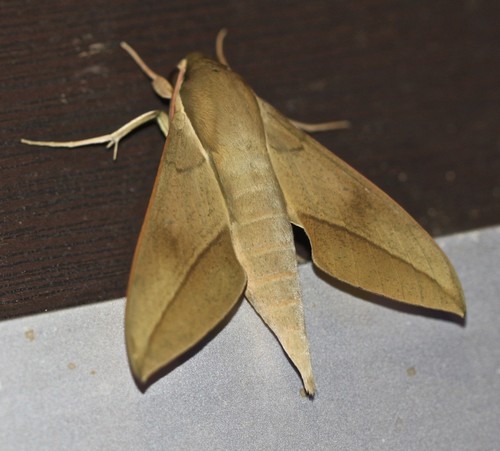
About Neococytius cluentius Cramer, 1775
Neococytius is a monotypic moth genus in the family Sphingidae, erected by Ronald W. Hodges in 1971. Its only species is Neococytius cluentius, commonly known as the Cluentius sphinx. This species was first described by Pieter Cramer in 1775, originally under the name Sphinx cluentius. Neococytius cluentius is distributed across northern South America, Central America, Mexico, and the Caribbean, and it is rare on Cuba. It has also been recorded in North America, ranging from Mississippi northward to Michigan and Illinois. The wingspan of this moth measures 140–160 mm. In tropical regions, there are at least three generations of adults per year, with active adults on the wing during three periods: December to January, May to June (or July in Jamaica), and October. The larvae of Neococytius cluentius have been recorded feeding on species in the Annonaceae and Piperaceae families, as well as Ipomoea batatas. In 1939, Otto Porsch discussed the potential role of this species (referenced under the synonym Cocytius cluentius) in pollinating night-blooming cacti. Porsch recorded the length of this moth's tongue as 25 cm, and noted that this length matches the corresponding flower lengths of these night-blooming cacti. A 1997 discussion of possible pollinators for the cactus Strophocactus wittii used the misspelled species name Cocytius "cruentus", but this work cited an earlier source that uses the correct specific name cluentius.