About Nasturtium officinale R.Br.
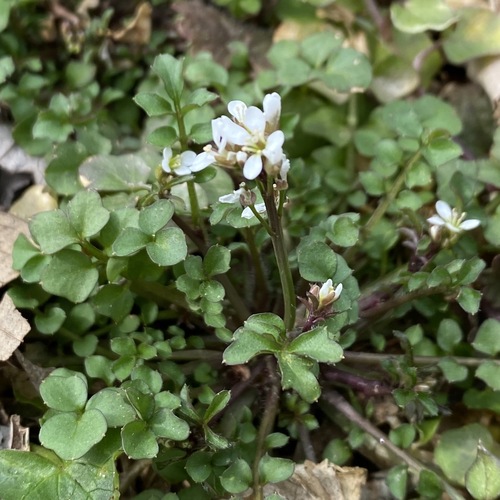
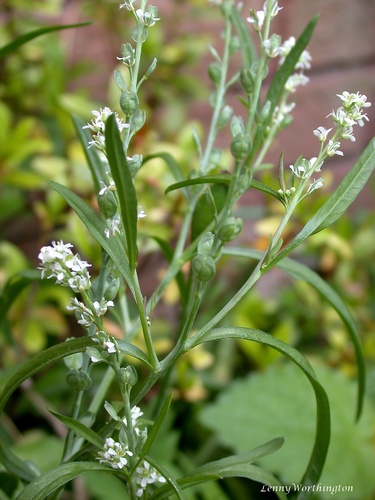
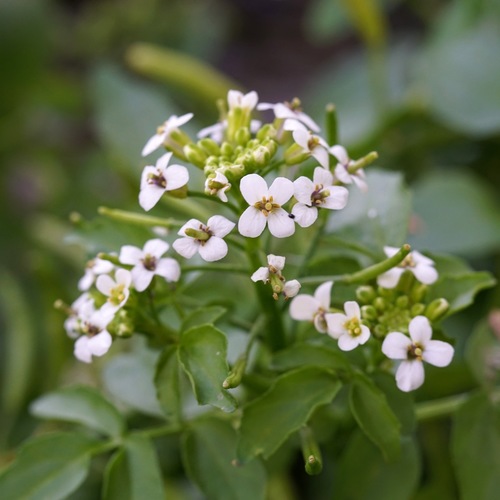
Watercress (Nasturtium officinale R.Br.) can reach up to 60 centimeters (24 inches) in length. It has hollow stems that float on water, and its leaves are pinnately compound. It produces clusters of small, white and green inflorescences, which are frequently visited by insects, especially hoverflies such as Eristalis flies. This species is an aquatic herb or vegetable that grows in many temperate locations across the world. It was introduced from Europe to China through Hong Kong and Macao in the 1800s, and its cultivation later spread to highland areas of tropical Asian regions. In the United Kingdom, wild watercress primarily inhabits clear, fast-flowing chalk streams. Many settlements in England take their name from watercress, from the Old English term êacerse; these settlements include Kersey, Kesgrave, Kersal, and Kershopefoot. In some regions, watercress is considered a weed. Watercress crops grown in fields fertilized with manure can provide a habitat for parasites such as the liver fluke Fasciola hepatica, while cultivated watercress has the benefit of being free of this liver fluke. When introduced to non-native environments, watercress can cause negative impacts on native species. Introduced watercress increases the amount of organic matter in local sediment, which in turn attracts predatory macroinvertebrates that feed on other native plants in the area. Due to its fast growth and status as an invasive species, Nasturtium officinale is prohibited from being grown or imported in Illinois. Watercress can be cultivated successfully at both large commercial scale and small garden scale. As a semi-aquatic plant, it is well suited to hydroponic cultivation, and grows best in slightly alkaline water. It is often produced near the headwaters of chalk streams. In many local markets, demand for hydroponically grown watercress outstrips supply. This is partly because watercress leaves are not suitable for distribution in dried form, and can only be stored fresh for 2–3 days. Watercress is also sold as sprouts, with edible shoots harvested just a few days after germination. If left unharvested, it can grow to a height of 50 to 120 cm (1+1⁄2 to 4 ft). In the United Kingdom, the first commercial cultivation of watercress started in 1808 by horticulturist William Bradbery, along the River Ebbsfleet in Kent. Historically important cultivation areas also included Hampshire, Stamford, and the Watercress Wildlife Site at St Albans. Today, watercress is grown in multiple UK counties, most notably Hampshire, Dorset, Wiltshire and Hertfordshire. New Alresford in Hampshire is widely considered the UK's watercress capital. In traditional practices, Ancient Romans believed eating watercress could cure mental illness. Twelfth-century mystic Hildegard of Bingen held that eating steamed watercress and drinking the water it was cooked in would cure jaundice or fever. Native American communities ate watercress; some groups used it to treat kidney illness and constipation, and some considered it an aphrodisiac. Early African American communities used the plant as an abortifacient, and also believed it could cause sterility.