About Nassella viridula (Trin.) Barkworth
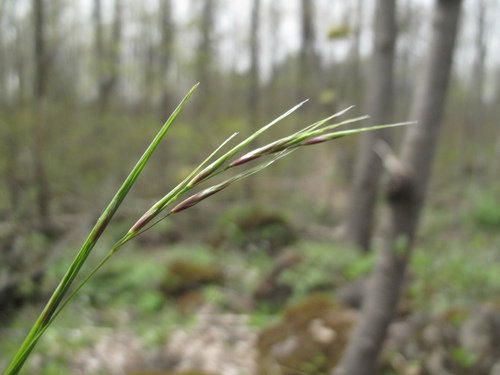
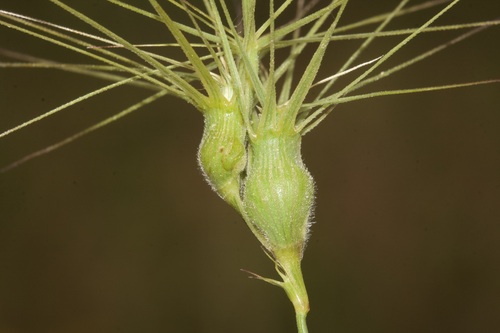
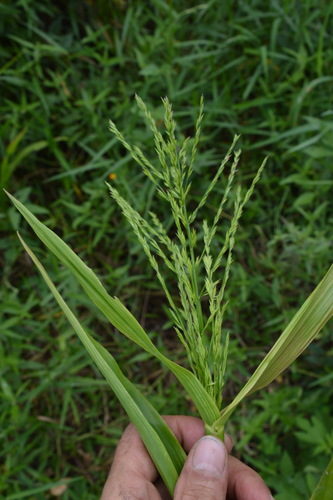
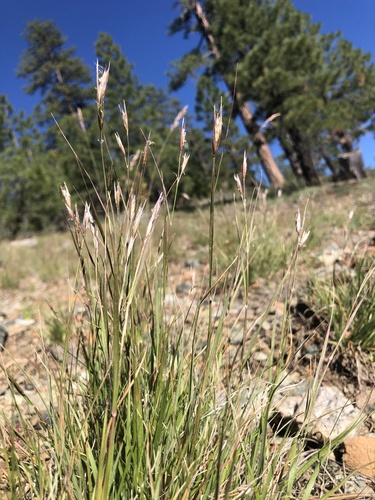
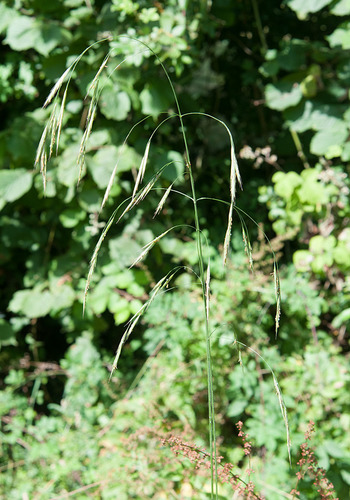
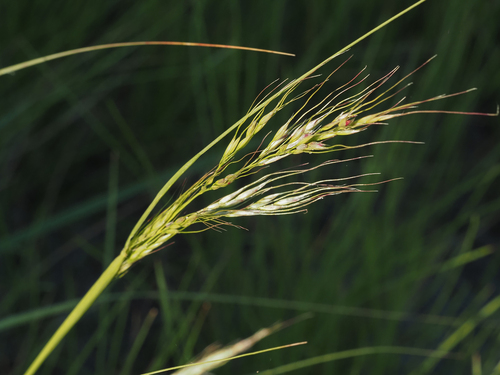
Nassella viridula is a grass species commonly called green needlegrass. It is native to North America, where it is widespread across western Canada, and the western and central United States; it has been introduced to parts of eastern North America. This grass grows in tufts with stems reaching up to around 1.2 meters tall. It grows from a network of fibrous roots that can penetrate more than 1.5 meters deep into soil. Most of its leaves grow from the base of the plant. Individual leaves grow up to 30 centimeters long, tapering to a threadlike tip. Its spikelets have awns that are nearly 4 centimeters long, and each awn is bent twice. The plant reproduces both from seed and via tillering. Its seeds can stay dormant for a period of time, and often require stratification to germinate. This species grows in many types of habitat, including disturbed areas where it acts as a pioneer species. It is also classified as a climax species in some regions, such as North Dakota. It serves as a dominant species and an indicator species across a variety of habitat types. It tolerates a broad range of temperatures and is drought-tolerant. Many types of animals use this plant for food and shelter. Many species of waterfowl and other birds build their nests within stands of this grass.