About Myrceugenia rufa (Colla) Skottsb. ex Kausel
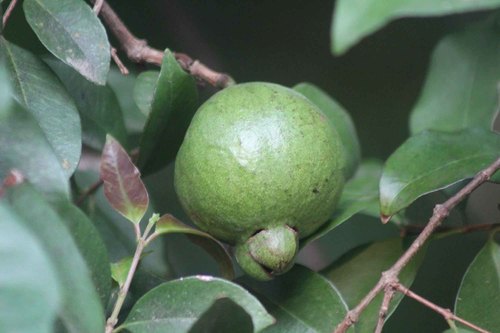
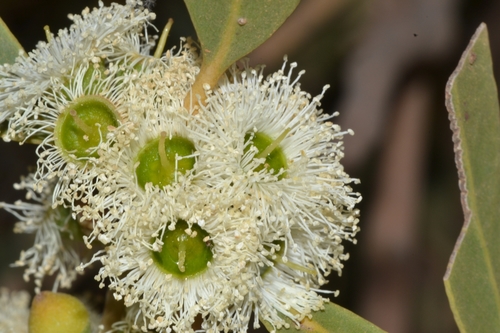
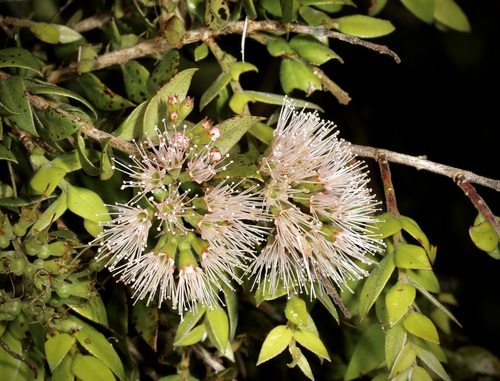
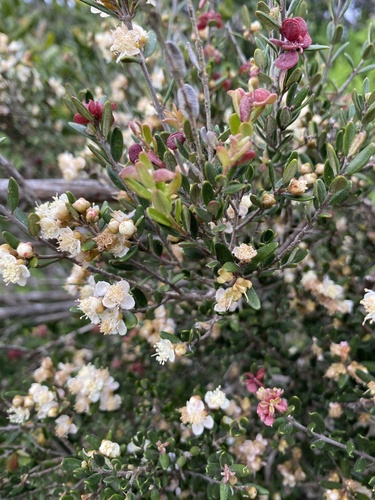
Myrceugenia rufa (Colla) Skottsb. ex Kausel is an evergreen shrub that reaches an approximate height of 2 meters, or 6 feet 7 inches. Its young stems are densely covered in fine hairs. This species produces small opposite leaves with hairy petioles; the leaves are oval or oblong with smooth entire margins, and have both rounded apices and rounded bases. The upper leaf surface is yellowish-green, while the lower surface is pale green. Flowers grow either singly or in groups of two or three from the leaf axils. The flower stems are densely hairy, the petals are white, and each flower has a dense cluster of 60 to 100 stamens plus a single style. After flowering, the plant produces berries 4 to 8 millimeters (0.16 to 0.31 inches) in diameter. The berries start green, then change color to yellow, and finally to orange as they ripen. This species flowers from August through October, and its fruits mature in February and March. Myrceugenia rufa is endemic to Chile, where it is only found in coastal areas stretching from the Coquimbo Region south to San Antonio Province. It grows at altitudes between 10 and 700 meters (33 to 2,297 feet), and inhabits coastal cliffs or areas within about 15 kilometers (9.3 miles) of the coast. It typically grows in deep crevices and hard-to-reach locations within remaining patches of forest, and is often found growing alongside other myrtle species. The fruits of Myrceugenia rufa are frequently targeted by insects that feed on their flesh and seeds. This is an uncommon species, and its conservation status is classified as endangered.