About Myosotis scorpioides L.
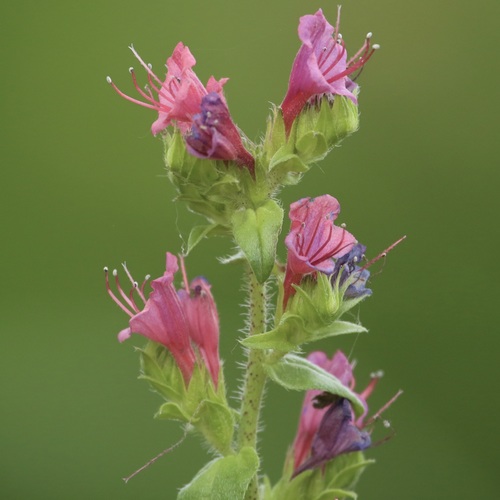
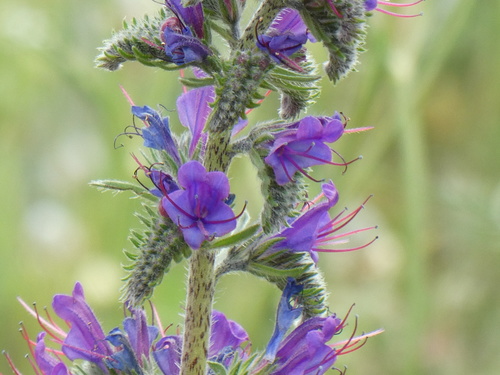
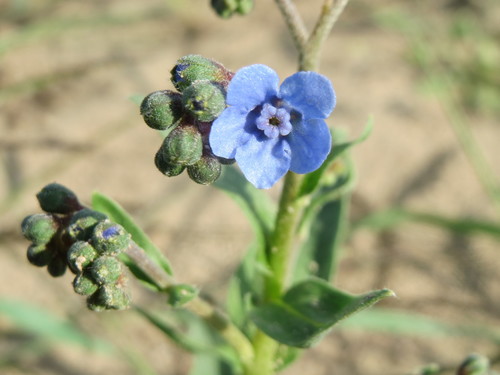
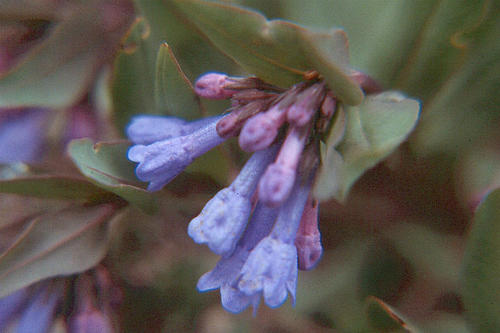
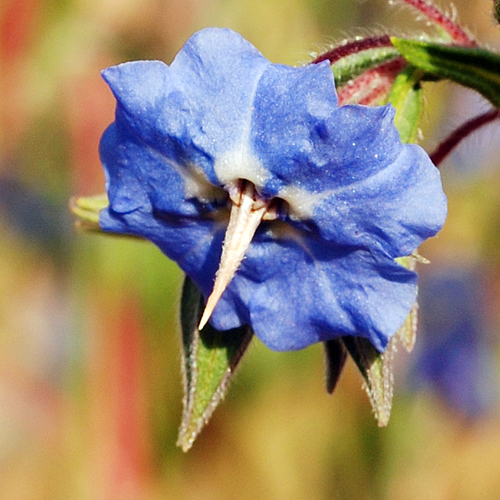
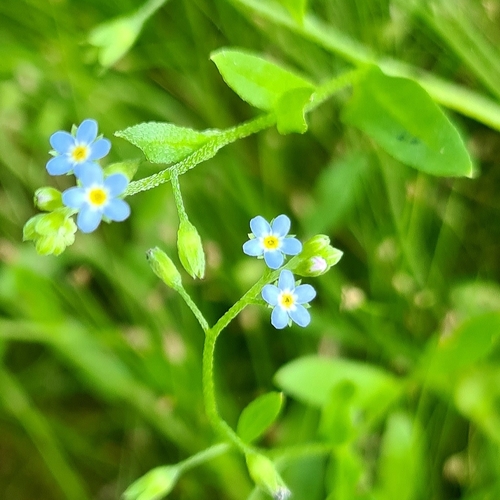
Myosotis scorpioides L. is an herbaceous perennial flowering plant. It grows erect to ascending, reaching up to 70 cm (28 in) tall. Its small flowers measure 8–12 mm across: they are pink when in bud, turn blue once fully open, and have yellow centers with white honey guides. This species is distinguished by its long style. Its leaves are oblong to linear, and covered in fine hairs on both sides. In temperate climates, it blooms from mid-spring to the first frost. It is commonly called water scorpion grass, named for the spiraling curve of its inflorescence, which forms a scorpioid cyme. Its corolla is tubular; nectar collects at the base of the corolla, and is consumed by pollinating animals such as insects and small birds. This plant is native to Europe and Asia, but has been widely introduced to many other regions, including most of North America, where it is an introduced species and sometimes classified as a noxious weed. It is common and widespread across Britain, but it is very rare in Jersey. It typically grows in damp or wet habitats including bogs, ponds, streams, ditches, fens, and rivers. While it prefers wet ground, it can survive when fully submerged in water, and often forms floating rafts.