About Micrathena gracilis (Walckenaer, 1805)
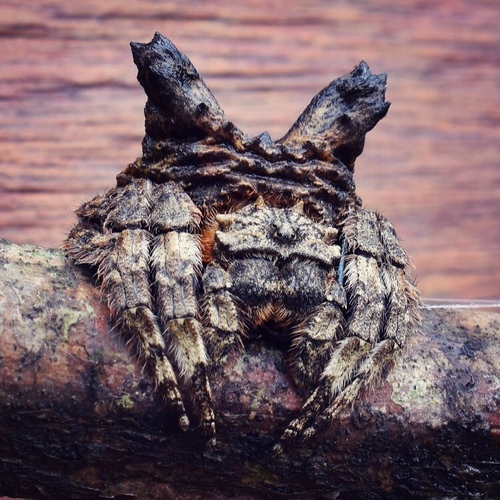
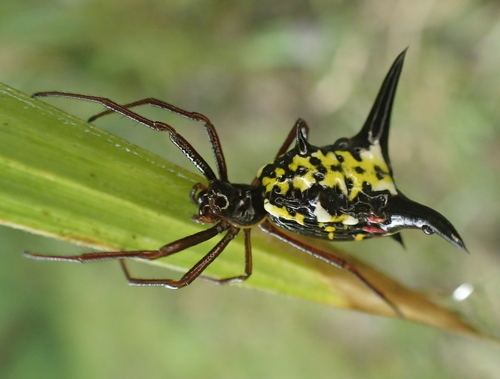
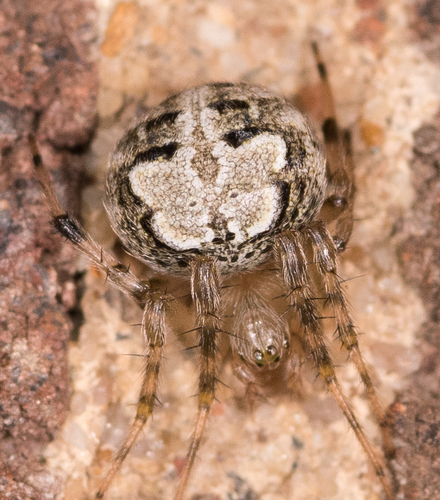
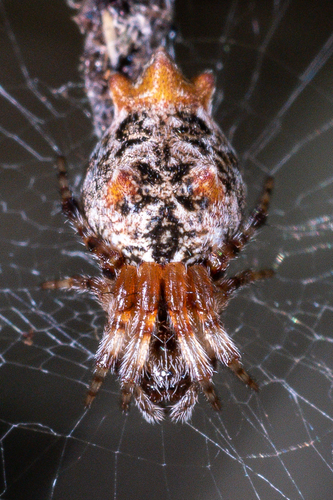
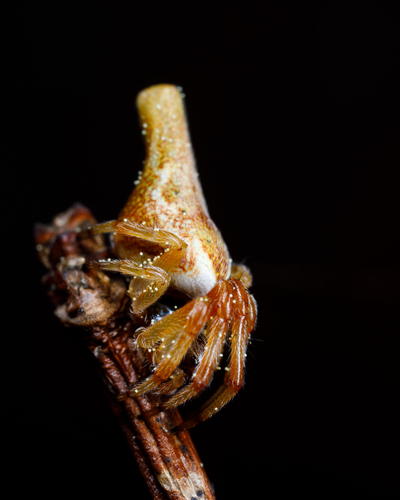
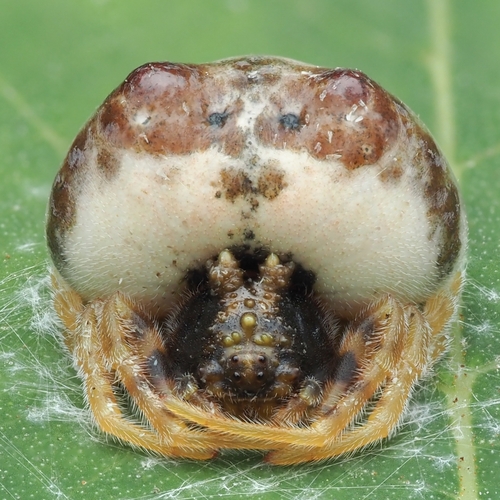
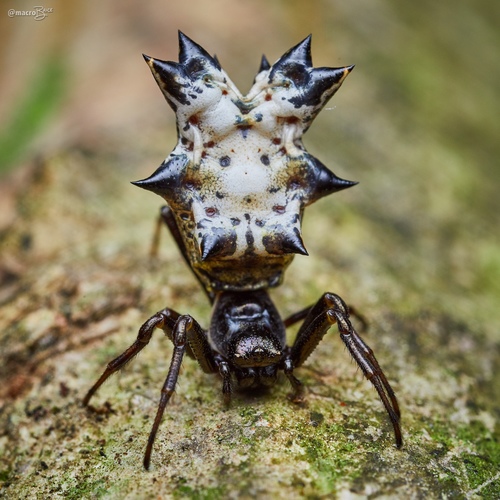
Micrathena gracilis was first formally described by Walckenaer in 1805. This spider species shows clear sexual dimorphism between adult males and females. Females measure 8–10 mm in body length, and have a bulbous abdomen covered in spines. Males are only a fraction of the size of females, have fewer spines, a flatter abdomen, and a slightly lighter body color. While males are capable of producing silk, they mostly use this silk during the mating ritual. Micrathena gracilis is native to North and Central America. It is a spider associated with neotropical forests, and is most easily found in hardwood forests with oak and hickory trees. This species prefers moist habitats, and is more commonly found in woodlands near small bodies of water such as lagoons and ponds. One study recorded individuals in areas that flood regularly during the species' mating season. M. gracilis rarely stays at the same web site for more than a week, staying on average 6–7 days per site before moving on. It may coexist within and along the edges of colonies of the colonial orb-weaving spider Metepeira incrassata. M. gracilis preys on the skimming bluet, and is itself preyed on by white-eyed vireos. Individuals of M. gracilis hatch in spring as miniature versions of adult spiders. After growing through the summer, adult females lay eggs contained in an egg sac. The eggs remain dormant over the winter months. The overall lifespan of this species is one year.