About Miconia calvescens DC.
Nomenclature and Taxonomy
Miconia calvescens DC., commonly known as velvet tree, miconia, or bush currant, is a species of flowering plant in the family Melastomataceae.
Native Range and Invasive Status
It is native to Mexico, and Central and South America, and has become one of the world's most invasive species.
Flowering Characteristics
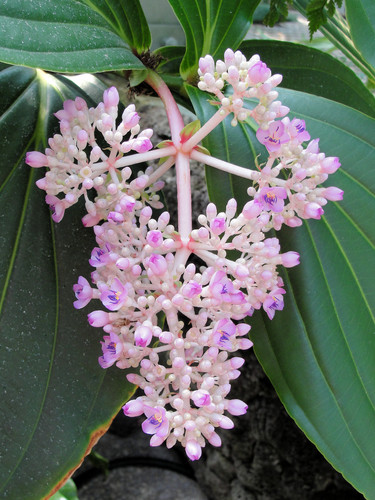
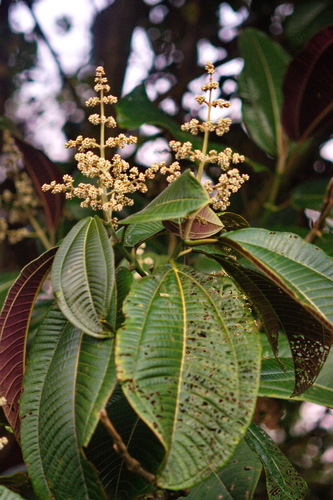
Miconia trees can flower multiple times a year, and bear fruit while flowering continues. Their inflorescences are large panicles of white to light pink blossoms.
Fruit and Seed Traits
The tiny purple fruits measure around half a centimeter in diameter, and each holds approximately 120 to 230 minuscule seeds. The sweet fruits attract birds and other animals, which disperse the seeds.
Seed Production Volume
A young tree with just two flower panicles can produce 200,000 seeds in its first fruiting season. This high seed output, combined with the potential for long-distance seed dispersal, contributes to miconia's status as an invasive threat.
Seed Dormancy and Germination
Seeds can remain dormant in forest soil for over 12 years; germination occurs when a canopy break lets sunlight reach the soil holding the seeds.
Canopy and Shading Impact
Once the plants reach full height, their very large leaves create heavy shade that prevents any other plants from growing beneath them.
Root System Effects
This species also has a shallow root system that increases the risk of soil erosion.
Size and Morphology
The tree can grow up to 15 metres (49 ft) tall, with individual leaves reaching up to 1 metre (3.3 ft) in length.
Foliage Appearance and Ornamental Use
Its purple and green leaves, marked with prominent white veining, made it a popular ornamental plant.
Introduction to Non-Native Regions
It was imported to Hawaii and other new regions in the mid-twentieth century.