About Mesosphaerum suaveolens (L.) Kuntze
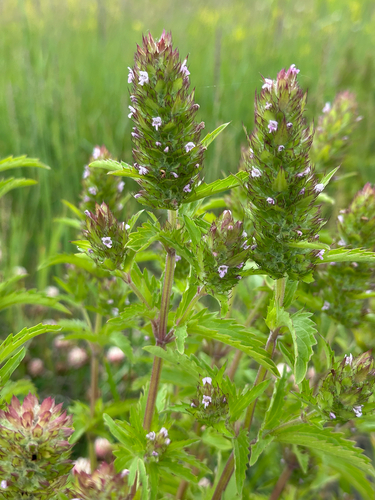
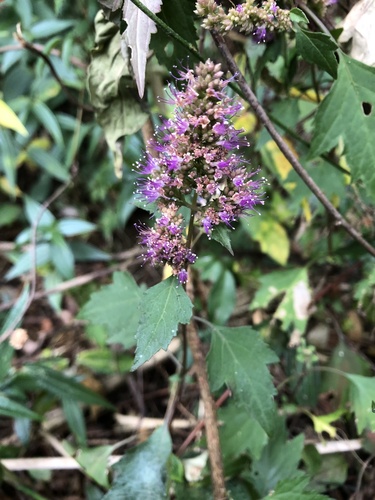
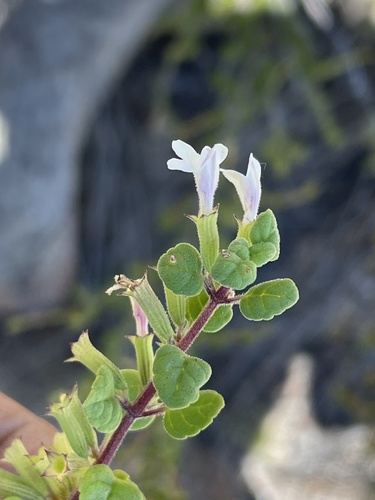
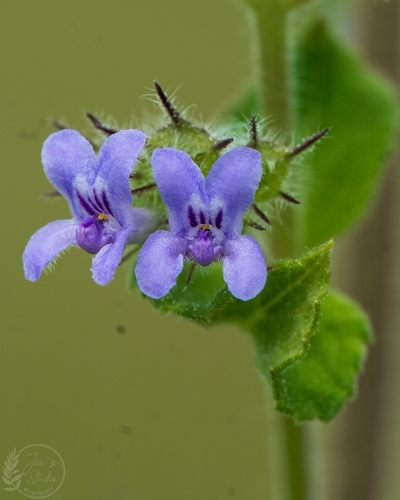
Mesosphaerum suaveolens (L.) Kuntze, also known by the synonym Hyptis suaveolens, and by common names including chia, pignut, chan, and bukumbar, is a branching pseudocereal plant. It is native to tropical Mexico, Central America, the West Indies, and South America, and has become naturalized in tropical regions of Africa, Asia, and Australia. This plant typically grows 1 to 1.5 meters (3.3 to 4.9 feet) tall, and may occasionally reach up to 3 meters (9.8 feet). Its stems are hairy and square in cross-section. Leaves grow in opposite arrangements, measure 2 to 10 centimeters (0.79 to 3.94 inches) long, have shallowly toothed margins, and release a strong minty scent when crushed. The flowers are pink or purple, and grow in clusters of 1 to 5 in the upper leaf axils.
Studies have found Mesosphaerum suaveolens to be effective as an insecticide. Its seeds can be soaked in water, and the mixture chilled to make a refreshing drink; many people add lemon or other citrus to improve the flavor. In Colima, Mexico, local people use seeds of this species to prepare a traditional beverage called bate, which is made by roasting and grinding the seeds, then mixing the resulting powder with water. This plant is also used as a traditional treatment for diarrhea.