About Mercurialis perennis L.
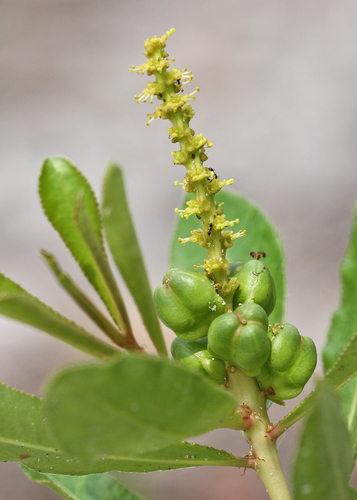
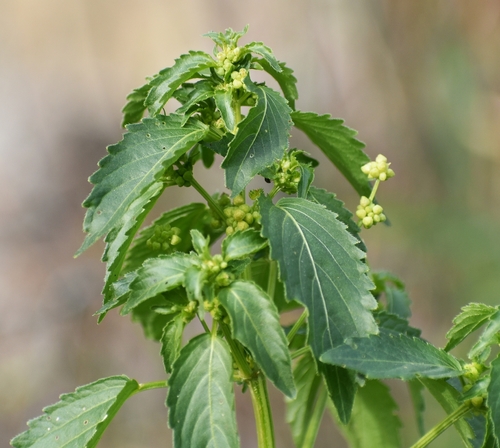
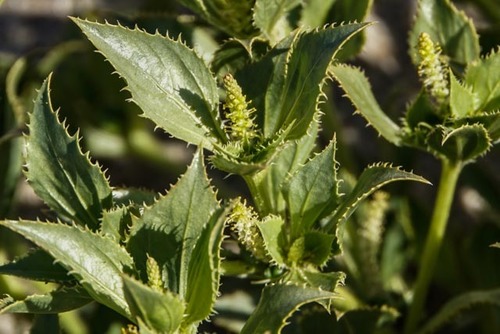
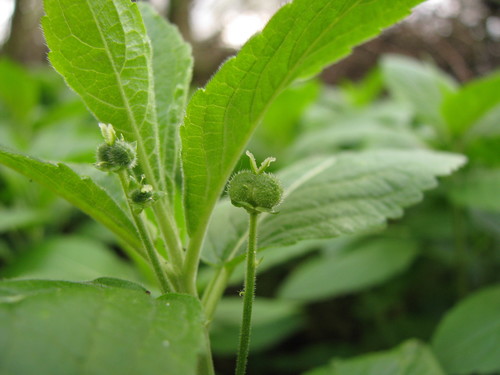
Mercurialis perennis L., commonly known as dog's mercury, has all of its parts highly poisonous. It is thought to contain methylamine (mercurialine), trimethylamine, a volatile basic oil also called mercurialine, and saponins. Trimethylamine gives the plant a widely described foetid scent, reminiscent of rotting fish. Mercurialine is considered one of the main active components responsible for the herb's toxicity. It is known to cause hemorrhagic inflammation of the gastrointestinal tract and kidneys, and also has a narcotic effect that produces drowsiness and mild muscular spasms. One proposed mechanism for the plant's toxicity dates to the 1900s, when a researcher induced toxicity by feeding dog's mercury that had been frozen at different growth stages to sheep. Based on this experiment, toxic effects may come from different toxic compounds that develop at different stages of the plant's growth. An alternative hypothesis suggests a single toxin causes all poisoning symptoms. Poisoning symptoms appear within a few hours, and include vomiting, pain, gastric and kidney inflammation; sometimes they also involve inflammation of the cheeks and jaw called malar erythema, as well as drowsiness. Larger doses lead to lethargy, jaundice, painful urination caused by acidification of the urine, coma, and eventually death. The first recorded case of dog's mercury poisoning dates to 1693, when a family of five became seriously ill after eating the plant that had been boiled and fried; one child died from the poisoning days later. Dog's mercury is most similar in appearance to Mercurialis annua (annual mercury, which is also thought to be poisonous), and it also resembles Chenopodium bonus-henricus and other edible Chenopodiaceae species that are sometimes called mercuries. It is most commonly mistaken for the edible plant brooklime. In 1983, a couple ate a large amount of dog's mercury leaves after washing and boiling the plant, having confused it with brooklime. Both were hospitalized with nausea, vomiting, and severe bilateral colicky loin pain, and showed signs of malar erythema but no cardiovascular or respiratory disorders. Their symptoms were similar to an allergic reaction, and they developed severe gastrointestinal complications that led to dehydration. After the toxin was correctly identified, they were given sodium bicarbonate four times a day to neutralize the acidity of their urine. They recovered after two days of rest, continuous observation, and monitoring. One reported outbreak of fatal Mercurialis poisoning in Welsh mountain ewes involved hemolytic anemia without bone marrow suppression, acute oedematous gastroenteritis, and hepatic centrilobular necrosis. While dog's mercury is poisonous in its natural state, thorough drying or heating is able to destroy its toxic properties. The plant's juice acts as an emetic, an ophthalmic treatment, and a purgative. Externally, it can be used to treat menstrual pain, ear problems, eye problems, warts, and sores. A lotion made from the plant can be used as an antiseptic external dressing, as it softens and moisturizes the skin. A fine blue dye can be obtained from the plant's leaves; this dye turns red in the presence of acids and is destroyed by alkalis, but it is typically permanent and produces a color similar to indigo. A yellow dye can also be obtained from the leaves. The seeds of dog's mercury are a good source of drying oil.