About Melospiza georgiana (Latham, 1790)
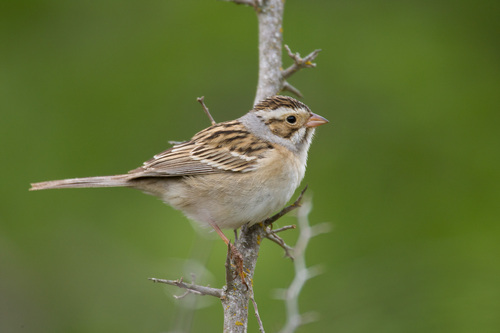
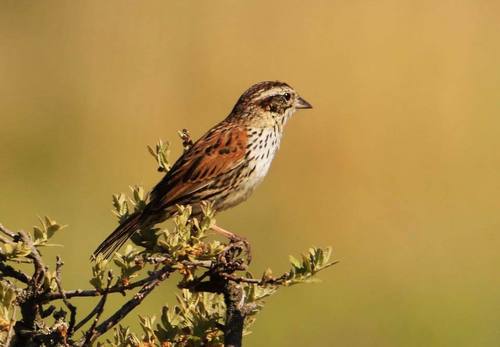
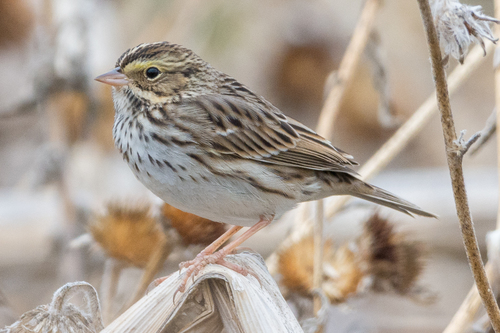
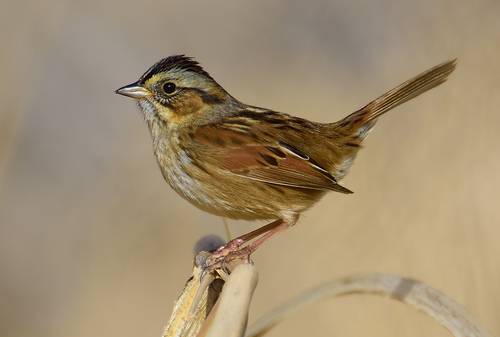
This species, commonly known as the swamp sparrow, has the scientific name Melospiza georgiana (Latham, 1790). Adults measure 4.7–5.9 inches (12–15 cm) in length, weigh 0.5–0.8 ounces (15–23 g), and have a wingspan of 7.1–7.5 inches (18–19 cm). Adult swamp sparrows have streaked rusty, buff and black upperparts, paired with an unstreaked gray breast, light belly, and white throat. Their wings are noticeably rusty in color. Most males and a small number of females have rust-colored caps; their face is gray with a dark line running through the eye. They have a short bill and fairly long legs. Immature birds and winter adults usually have two brown crown stripes, and most of the gray plumage found in breeding adults is replaced with buff in these groups. Swamp sparrows breed across the northern United States and boreal Canada; the southern edge of their breeding range largely aligns with the Line of Maximum Glaciation. A small group of morphologically distinct birds, the subspecies M. g. nigrescens, lives in tidal marshes from northern Virginia to the Hudson River Estuary. This subspecies winters in coastal marshes of the Carolinas. Compared to the two inland subspecies of swamp sparrow, M. g. nigrescens has more black in an overall grayer plumage, a larger bill, different songs, and a smaller average clutch size. The breeding habitat of swamp sparrows is marshes—including brackish marshes—across eastern North America and central Canada. The species builds bulky nests attached to marsh vegetation, usually positioned just above the ground or water surface, with leaves or grass arching over the top of the nest. The female builds a new nest each year and lays an average of four eggs per clutch. When females leave the nest, they produce a series of chip calls, which likely function to deter attacks from their mate or neighboring males. Small numbers of swamp sparrows can be found year-round on the southern edge of their breeding range, but almost all individuals of the species are migratory, and they primarily migrate to the southeastern United States for the non-breeding season.