About Melanoplus femurrubrum (De Geer, 1773)
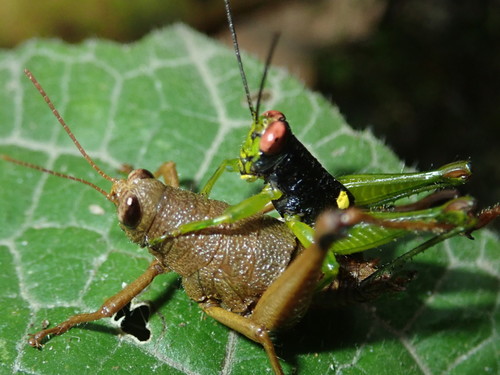
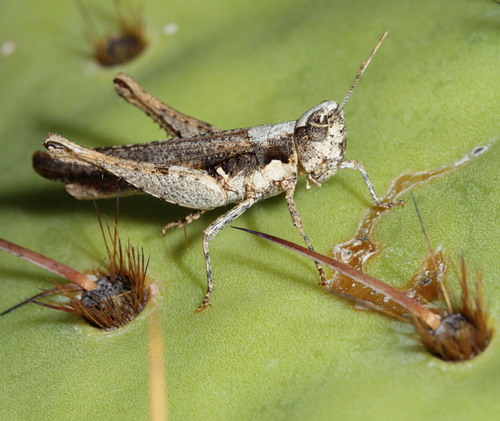
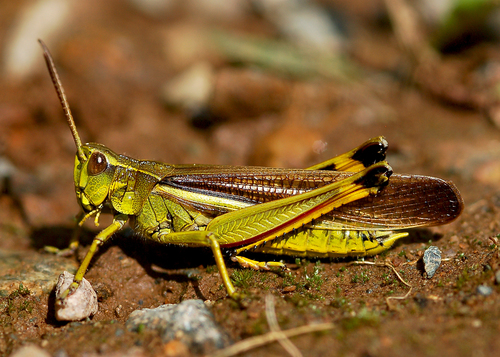
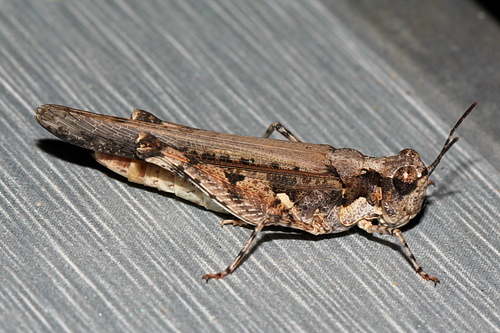
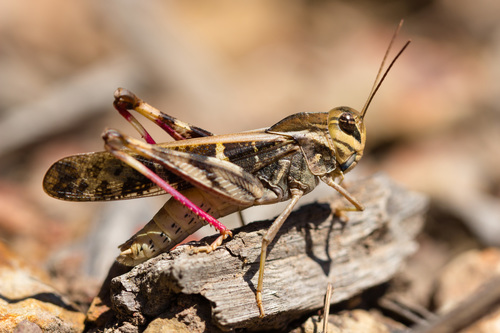
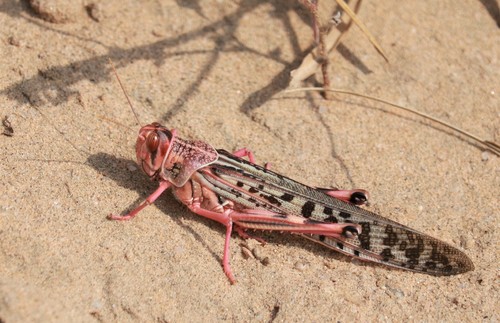
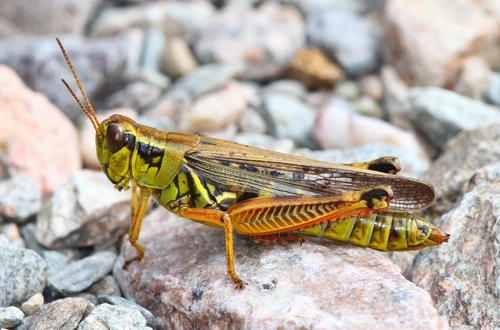
For identification: Melanoplus femurrubrum is a medium-sized grasshopper. Males range in length from 1.7 cm (0.67 in) to 2.4 cm (0.94 in), while females range from 1.8 cm (0.71 in) to 3.0 cm (1.2 in) in length. This species has a reddish-brown back, a greenish-yellow belly, and red hind tibiae, which matches the meaning of its specific name femurrubrum: femur means thigh and rubrum means red. The wings of M. femurrubrum typically extend past the tip of the abdomen. Males have an enlarged abdomen with a U-shaped sub-genital plate. For habitat: Melanoplus femurrubrum occurs in a wide range of habitats across most of North America, and prefers grasslands and areas with thick vegetation. It is commonly found in disturbed habitats and old fields. For life cycle: Like other Orthoptera, Melanoplus femurrubrum undergoes incomplete metamorphosis, which consists of three life stages: egg, nymph, and adult. Adult female M. femurrubrum lay eggs in autumn, depositing them in the top 2 cm of soil. The eggs develop before entering winter diapause. When soil temperatures rise in spring, the eggs complete development, and first instar nymphs dig their way up to the soil surface. M. femurrubrum nymphs molt five to seven times before their final molt, after which they are considered adults with fully functional wings and sexual organs. This species is univoltine, meaning it produces one generation per growing season. However, in its southern range, adults and nymphs can be found year-round, and the species may produce more than one generation annually.