About Megathyrsus maximus (Jacq.) B.K.Simon & S.W.L.Jacobs
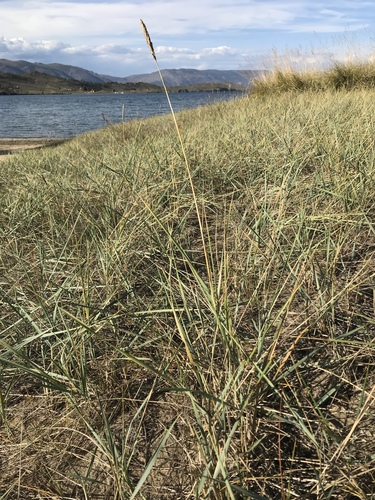
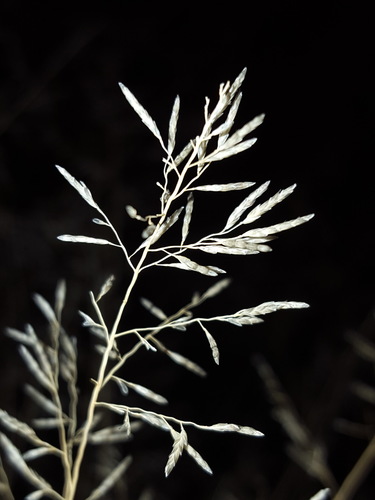
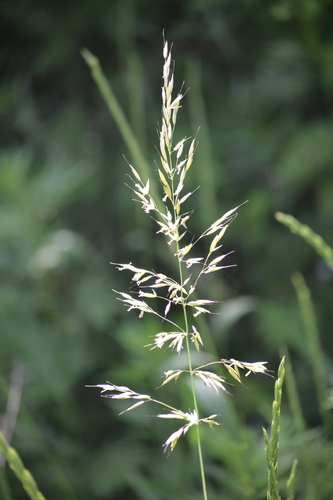
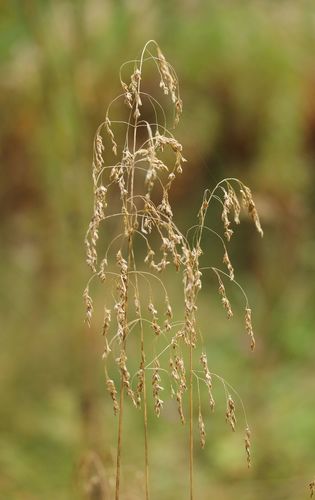
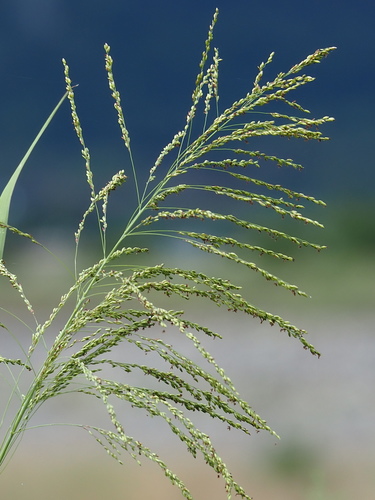
Megathyrsus maximus (Jacq.) B.K.Simon & S.W.L.Jacobs naturally grows in open grasslands, most often growing under or near trees and shrubs, and along riverbanks. This species is tolerant of wildfire and drought. It displays broad morphological and agronomic variability, with heights ranging from 0.5 to 3.5 m (1.6 to 11.5 ft) and stems measuring 5–10 cm (2.0–3.9 in) in length. As a polyploid plant, it can reproduce via apomixis, producing genetically identical clones of itself through seed. It bears open panicles, and a single plant can produce as many as 9,000 seeds. For agricultural use, Megathyrsus maximus can serve as long-term foraging grass when it is grazed consistently and fertilized. It is well suited for cut-and-carry, a practice where grass is harvested and taken to ruminant animals kept in enclosed systems. Its shade tolerance allows it to grow successfully alongside trees in agroforestry systems. Some varieties of this species are used effectively to produce silage and hay. Its leaves contain good levels of protein, ranging from 6–25% based on the plant's age and nitrogen supply.