About Megadromus antarcticus (Chaudoir, 1865)
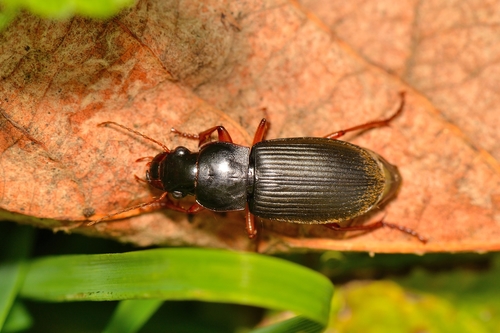
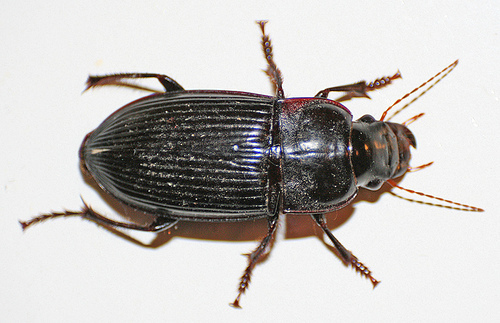
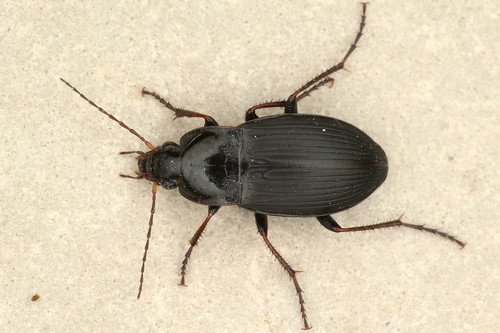
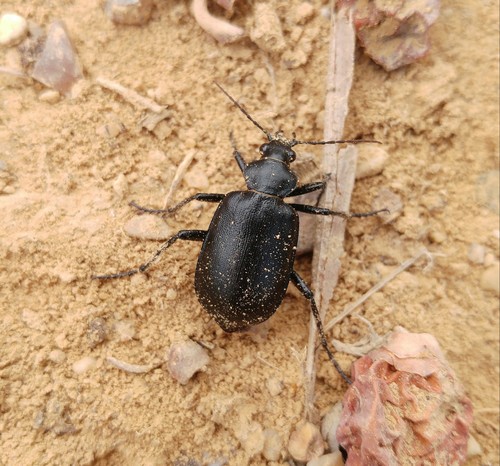
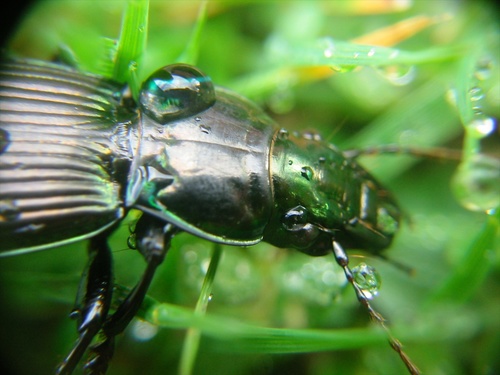
Megadromus antarcticus (Chaudoir, 1865) ranges in body length from 22mm to 34mm. It is a member of the Adephaga suborder, which is morphologically defined by having liquid-feeding mouthparts in the larval stage; mature Adephaga have six abdominal ventrites and pygidial glands. Adephaga including Megadromus antarcticus are also characterized by well-proportioned bodies, prominent mandibles, long slender legs, and straight elytra. All Adephaga are cursorial beetles, meaning they are specifically adapted for running. The body of Megadromus antarcticus is black-greenish, with the edges of its pronotum and elytra coloured metallic green. This colouration gives the species a distinct appearance that has also been described as iridescent green. Megadromus antarcticus is endemic to New Zealand. Within New Zealand, it is common across most of the Canterbury region. Its range extends north to the Waikari area, east to the coast including Banks Peninsula, south to the Cave area in South Canterbury, and west to the lower reaches of the Southern Alps in western Canterbury. Because Megadromus antarcticus is flightless, it has limited biological dispersal ability. The braided rivers of the Canterbury plains also act as a significant barrier to the species' movement. Megadromus antarcticus is a generalist predator, so it can thrive in a wide variety of different habitats. It is very commonly sighted in home gardens. Other common habitats include urban areas, agricultural areas, native forests, and exotic forests. It is also frequently found in grassland sites with logs. The incubation period of Megadromus antarcticus eggs varies depending on the time of year the eggs are laid. Incubation ranges from just over four weeks for eggs laid in late August to three weeks for eggs laid in February. Female Megadromus antarcticus do not leave their egg chambers to feed during incubation, making them particularly attentive parents.