About Manilkara zapota (L.) P.Royen
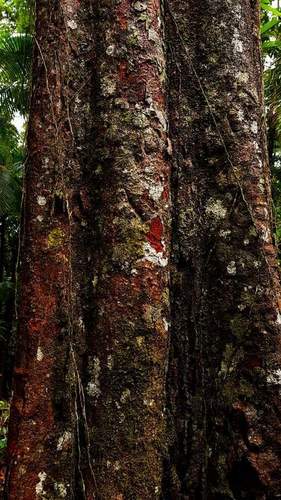
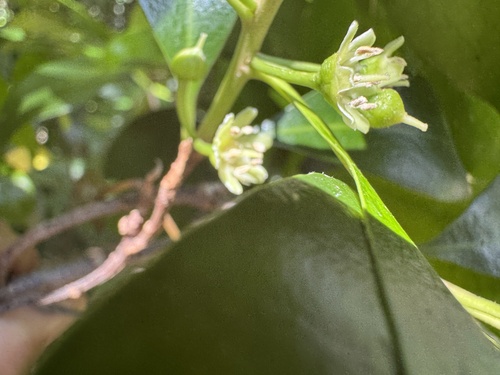
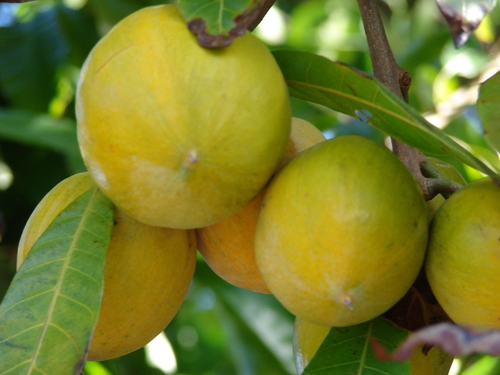
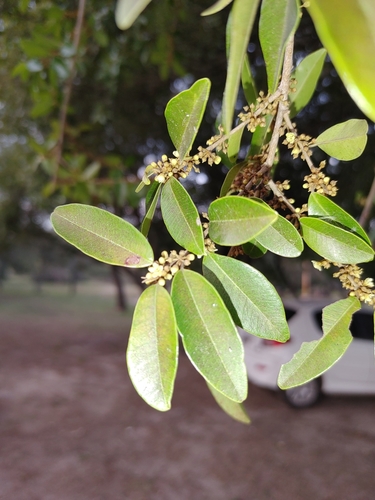
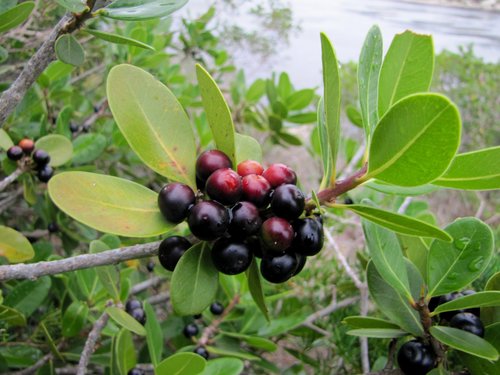
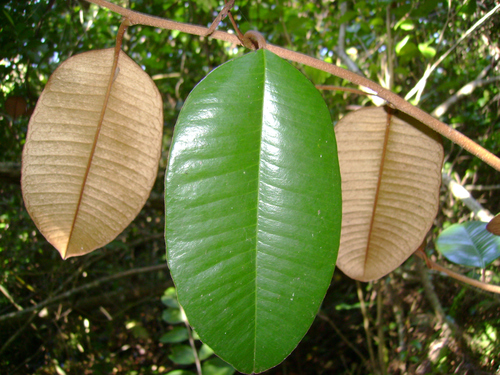
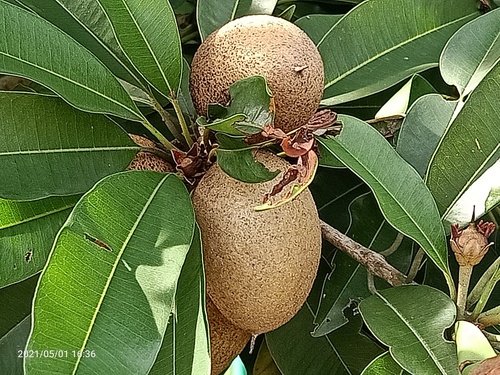
The sapodilla tree (Manilkara zapota) can live up to 100 years. Wild trees can grow to over 30 m (98 ft) tall, with a trunk diameter reaching up to 1.5 m (5 ft), but cultivated specimens are typically smaller, averaging between 9 and 15 m (30 and 49 ft) in height, with trunk diameters not exceeding 50 cm (20 in). This tree is wind-resistant, and its bark contains a high amount of a white, gummy latex known as chicle. Its leaves are arranged alternately; they are elliptic to ovate, 6–15 cm (2–6 in) long, with smooth entire margins, and grow on 1–3 cm (0–1 in) long petioles. The leaves are medium green, glossy, and have brown, slightly fuzzy midribs. Sapodilla trees can only survive in warm, generally tropical environments. While they have low tolerance for drought and heat when young, they die easily if temperatures drop below freezing. After germination, a sapodilla tree usually takes five to eight years to start bearing fruit. It can produce fruit twice per year, even though it may flower year-round. The flowers are white, inconspicuous, bell-shaped, and have a six-lobed corolla. The tree's fruit is edible, and it is a popular food in tropical regions of the Americas. Chicle harvested from the tree's bark is used to make chewing gum.