About Mahonia napaulensis DC.
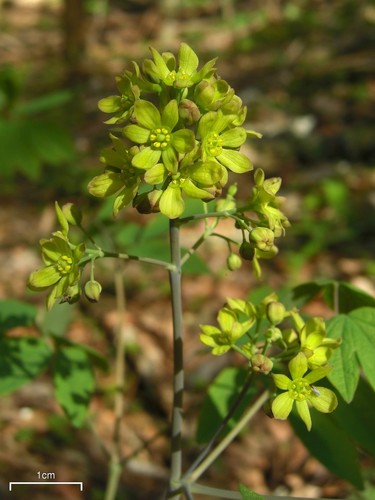
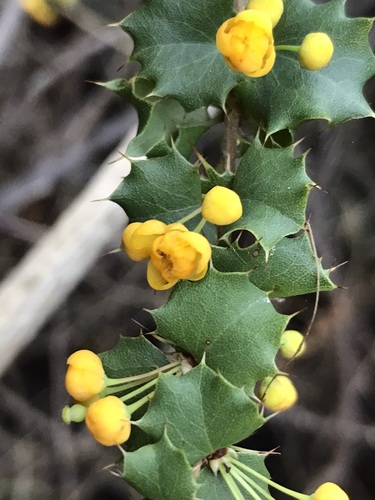
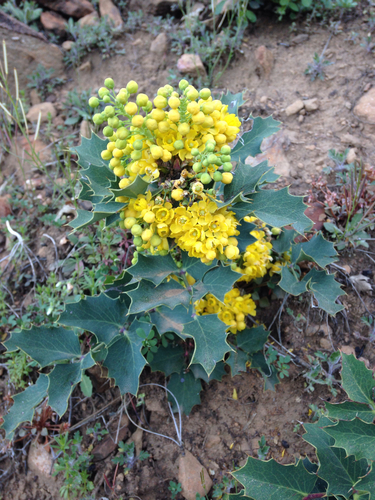
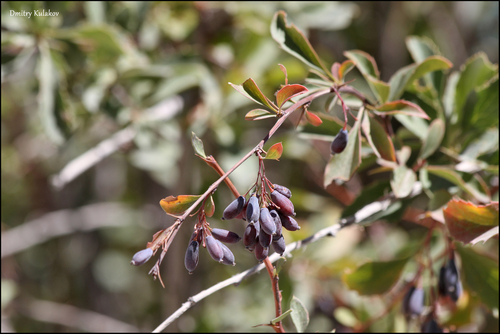
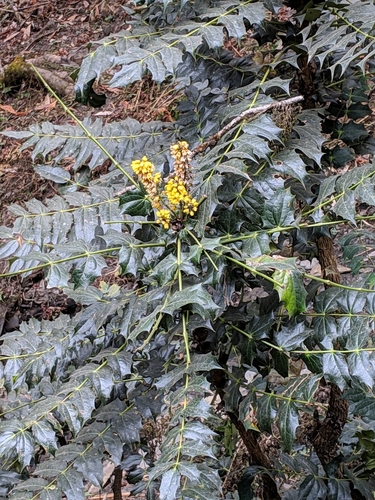
This species is currently known by the scientific name Mahonia napaulensis DC., and it is also referenced under the synonyms Berberis napaulensis and Berberis nepalensis. It grows as a shrub or small tree, reaching 1 to 7 meters in height. Its leaves can grow up to 61 centimeters long, and bear 5 to 12 pairs of leaflets plus a larger terminal leaflet; all leaflets are shiny on the upper surface and yellowish-green on the lower surface. It produces yellow flowers arranged in large panicles. Its fruits are spherical deep purple berries, measuring 5 to 7 millimeters in diameter. In Chiang Mai Province, Thailand, the rust fungus Pucciniosira cornuta (which has the synonym Gambleola cornuta Massee (1898)) infects this species. In the Nilgiris, this plant holds religious and medicinal importance for the native Toda people of Tamil Nadu, who call it "Thovari" in their language. The Toda people prepare a bark paste that they use as a traditional medicine for women directly after childbirth. They also use water extracted from the plant's leaves to purify their temples after women have entered, since women are forbidden from entering Toda temples.