About Lysiphyllum cunninghamii (Benth.) de Wit
Growth Form
Lysiphyllum cunninghamii (Benth.) de Wit grows as a shrub or tree reaching up to 12 meters in height, and occasionally reaches up to 18 meters.
Bark Characteristics
It has grey fissured or tessellated bark.
Inflorescence and Flowering Period
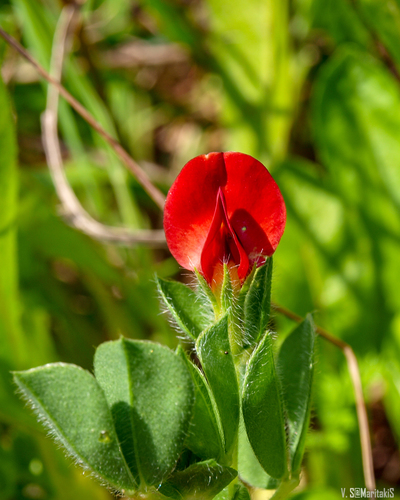
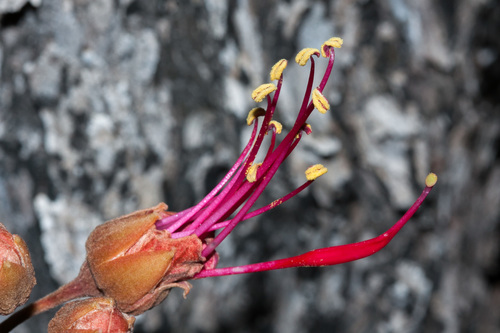
Its inflorescences grow axillary on old wood, and bright red flowers appear between April and October.
Seed Pod Development
Large reddish-brown seed pods develop after flowering, from November to January.
Flower Pollinator Attraction
Nectar produced by the flowers attracts honeyeaters and native bees.
Leaf Phenology
This species drops its leaves during the dry season, and new leaves often emerge just before the rainy season begins.
Leaf Morphology
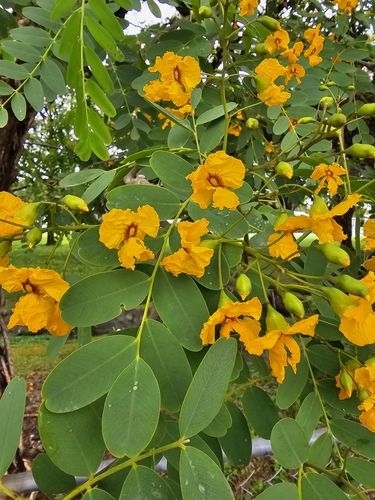
Its leaves have two lobes that are joined in a shape resembling butterfly wings.
Soil Preference
This plant occurs on red alluvial sandy and loamy soils.
Habitat Types
It grows most often in watercourses, on levees, flood plains, pindan, and along the margins of monsoonal forests.
IBRA Distribution Range
It is found within the following IBRA bioregions: Central Kimberley, Dampierland, Gascoyne, Great Sandy Desert, Northern Kimberley, Ord Victoria Plain, Pilbara, Victoria Bonaparte, and Katherine Region.
Fodder Use
The leaves and pods of Lysiphyllum cunninghamii are high in protein and minerals, and are used as fodder for livestock.
Wildlife Shelter Provision
The tree’s dense, weeping growth habit provides shelter from daytime heat for wallabies and other animals.
Wood Cooking Use
Fires made from this tree’s wood burn without producing smoke, so the wood is commonly used for cooking.
Windbreak Use
Its branches are used to create windbreaks.
Traditional Nectar Use
Aboriginal people traditionally suck nectar from the tree’s flowers.
Traditional Medicinal Use
They prepare a decoction from the tree’s roots and inner bark, which is applied to the skin as an antiseptic and drunk to treat fevers and other illnesses.
Ash Chewing Use
Ash from the tree is mixed with chewing tobacco and chewed.
Traditional Sweet Gum Production
Another traditional use involves mixing the tree’s sap with its nectar to create a chewy, sweet gum known as "Turkish delight".