About Lyonia mariana (L.) D.Don
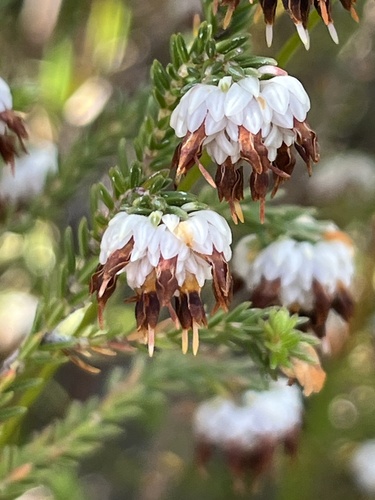
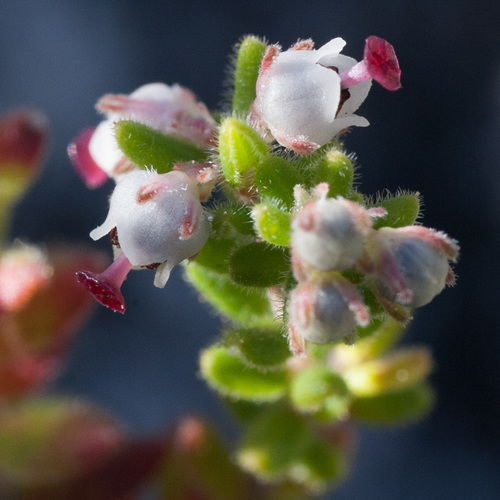
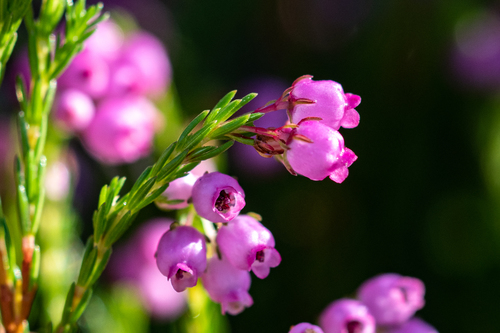
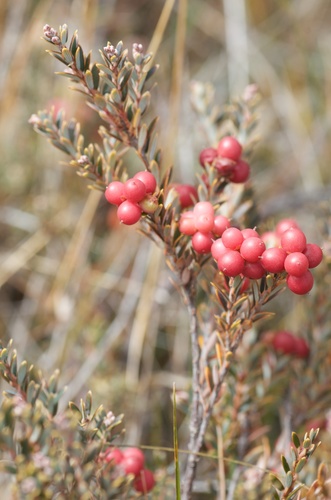
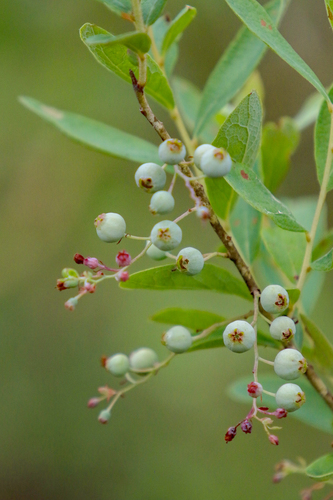
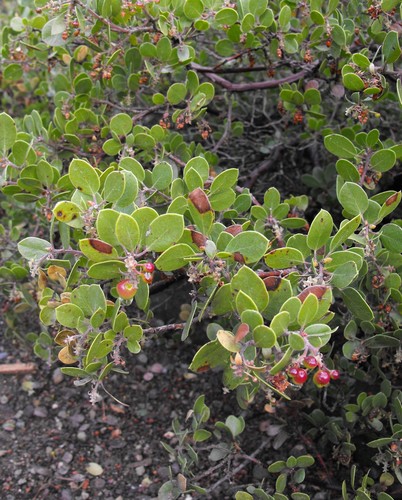
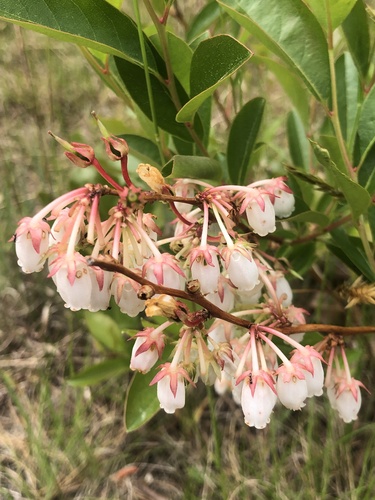
Lyonia mariana (L.) D.Don, commonly called the Piedmont Staggerbush, is an evergreen shrub native to the southeastern United States. This medium-sized shrub usually grows 0.61 to 1.83 meters (2 to 6 feet) tall, with leathery, glossy, lance-shaped leaves arranged alternately along its branches. Its green foliage stays vibrant year-round, forming a dense, bushy growth habit. From late spring to early summer, it produces clusters of tubular, urn-shaped flowers in shades ranging from white to pink, a feature that contributes to its botanical and ecological significance. After flowering, small, dry seed capsules develop, forming a key part of the plant's reproductive cycle. In its natural habitat, the shrub's dense growth and foliage provide cover and nesting sites for wildlife, and it is known for its adaptability and resilience. It is also valued for its aesthetic and ecological qualities in ornamental landscaping. Piedmont staggerbush is most commonly found in acidic soils of pine flatwoods, sandhills, and mixed pine-hardwood forests, and it prefers areas with full to partial sunlight and moderate water availability. In its native range, it supports a diverse community of wildlife. Its nectar draws butterflies and various pollinators including specialized bees, forming an important part of the plant's ecological interactions. Its dense, bushy growth provides suitable cover and nesting sites that attract songbirds, making it an important contributor to local biodiversity. Adapted to fire-prone environments, Lyonia mariana persists in plant communities that experience periodic fires, and can resprout from its rhizome after a fire event. Lyonia mariana contains grayanotoxins, toxic compounds that also occur in other Ericaceae plants including rhododendrons and azaleas. If enough grayanotoxin is ingested, it can cause grayanotoxin poisoning, also called mad honey disease, with symptoms that may include nausea, vomiting, abdominal pain, dizziness, and weakness. Cases of poisoning from Piedmont Staggerbush itself are relatively rare, as humans do not typically consume the plant. Toxic effects are more commonly linked to eating honey produced by bees that have fed on nectar from grayanotoxin-containing plants, and symptom severity varies based on the amount of honey ingested and the concentration of grayanotoxins present. In landscaping, Lyonia mariana is valued for its attractive bushy growth and evergreen foliage, and it is recommended as a good addition to native plant gardens for attracting butterflies and pollinators. Its ability to adapt to acidic soils makes it suitable for a wide range of garden settings. Historically, the Cherokee people used an infusion made from Lyonia mariana to treat toe itch, ground-itch, and ulcers.