About Lyonia lucida (Lam.) K.Koch
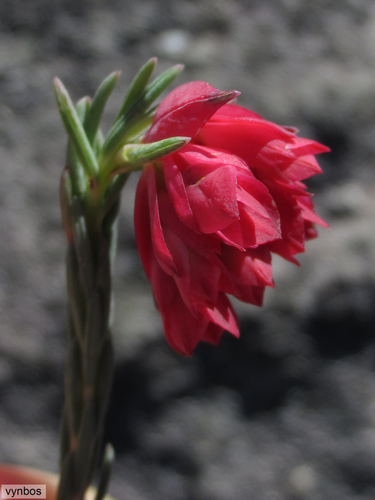
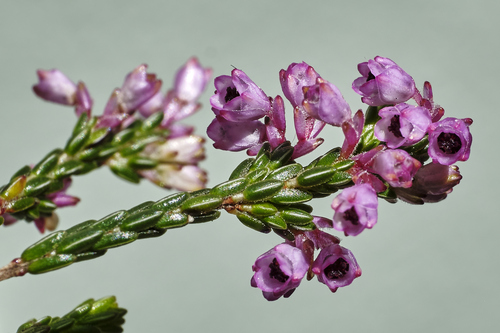
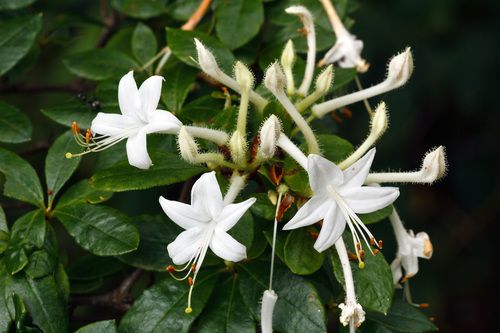
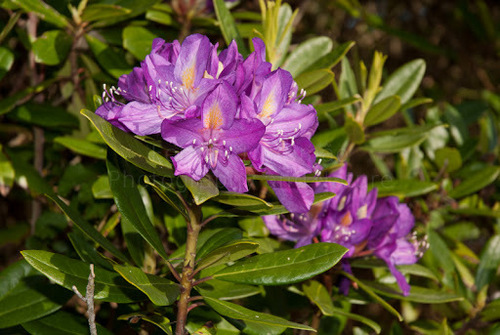
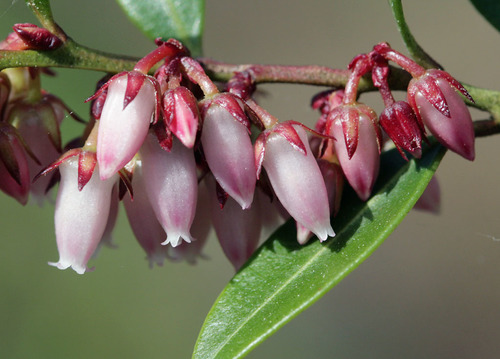
Lyonia lucida (Lam.) K.Koch is a species of flowering plant in the heath family Ericaceae, with the common names fetterbush lyonia, hurrahbush, and staggerbush. Note that other plant species may also be referred to as fetterbush. This broadleaved evergreen shrub grows on the coastal plain of the southeastern United States, ranging from Virginia to Florida to Louisiana. It also grows naturally in Cuba. The shrub reaches 4 to 5 meters in height, and grows just as wide. It produces long rhizomes that can sprout new individual plants, forming large colonies. Its leathery leaves grow in an alternate arrangement on scaly twigs. The leaves are oval-shaped, and can grow up to 10.5 centimeters long and 5.5 centimeters wide. Its inflorescence is a fascicle made up of cylindrical flowers; these flowers are most often pink, but may also be white or red. The fruit it produces is a capsule. This plant reproduces mostly via vegetative growth, but it can also reproduce from seed. When growing in nutrient-poor soils, it does not produce flowers, and only reproduces by sprouting from its rhizomes. Lyonia lucida is a common species that grows in shrubby bogs, wet savannas, conifer swamps, and scrub. It forms large populations in saw palmetto prairie habitat, and is common in the Okefenokee Swamp. While it can grow in dry habitat, it is most often found in wet locations, including areas that flood periodically. It prefers acidic, saturated soils rich in organic matter, such as the soils found in cypress swamps. It can grow in shady understories, but also grows well in full sun. Common overstory species that occur with Lyonia lucida in its habitat include Atlantic white cedar (Chamaecyparis thyoides), sweet bay (Magnolia virginiana), red bay (Persea borbonia), loblolly bay (Gordonia lasianthus), tupelo (Nyssa spp.) and pines (Pinus spp.). It grows alongside other understory plants including sweetbells (Eubotrys racemosa), highbush blueberry (Vaccinium corymbosum), sweet pepperbush (Clethera alnifolia), titi (Cyrilla racemiflora), laurelleaf greenbrier (Smilax laurifolia), honeycup (Zenobia pulverulenta), and oaks (Quercus spp.).