About Lycosa tarantula (Linnaeus, 1758)
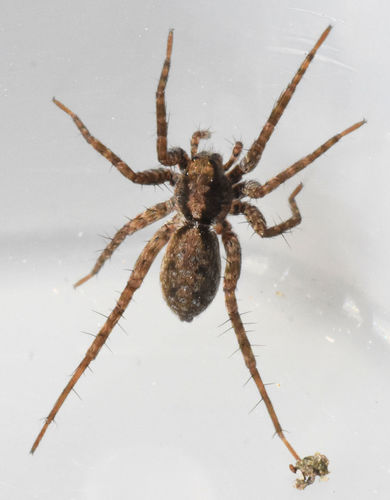
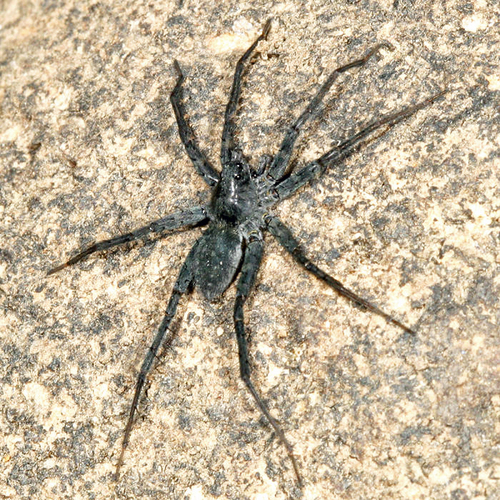
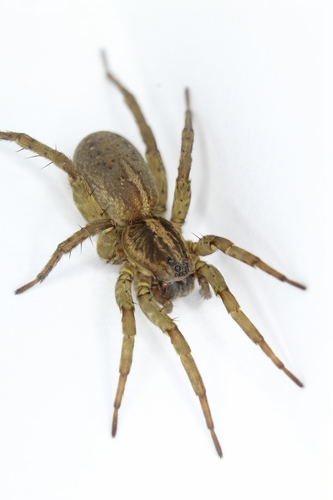
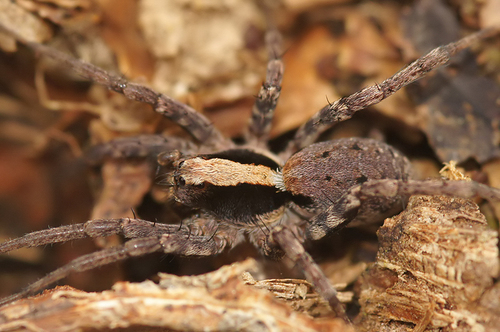
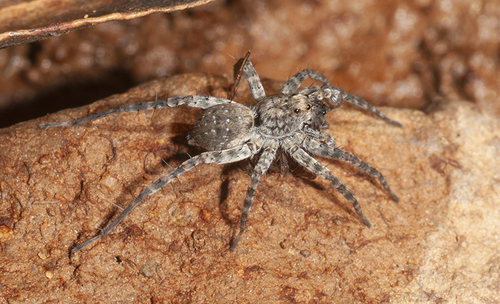
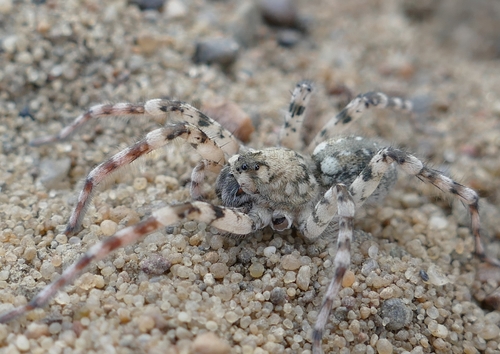
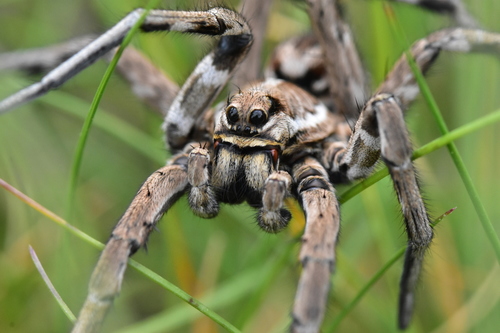
Lycosa tarantula are rather large spiders. Females reach up to 30 mm (1+3⁄16 inches) in body length, while males measure around 19 mm (3⁄4 inch). Like other wolf spiders, the mother carries a silken egg sac holding over 100 eggs attached to her spinnerets. After hatching, spiderlings climb onto their mother's abdomen and ride with her until they are mature enough to survive independently. Once they leave their mother's protection, young spiders disperse and dig burrows. Females spend their entire lives in their burrows, only making nocturnal trips out to capture prey. Mature males leave their burrows and wander to search for mates. Males have a lifespan of 2 years, while females can live 4 years or longer. According to one study, roughly one-third of all sexual encounters end with the female cannibalizing the male. During winter, these spiders hibernate inside their burrows. Lycosa tarantula is a nocturnal species that typically lurks near the mouth of its burrow waiting for prey, so encounters with humans are unlikely. Unlike jumping spiders (Salticidae), which may show curiosity toward humans and willingly wander on a person's hand, wolf spiders (Lycosidae) have a strong instinct to flee when any large animal approaches. They have fairly good eyesight, so a human almost never can approach one without being detected. Capturing Lycosa tarantula is relatively difficult, as they move constantly and can run very quickly. When cornered, wolf spiders do not make threat displays, and are not inclined to advance toward a human hand with the intent to bite.