About Lycodonomorphus inornatus (Duméril, Bibron & Duméril, 1854)
Size
Lycodonomorphus inornatus, commonly called the olive house snake, usually grows to a total length of 45–75 cm (18–30 in) including the tail, with a maximum recorded length of 130 cm (51 in).
Dorsal Coloration
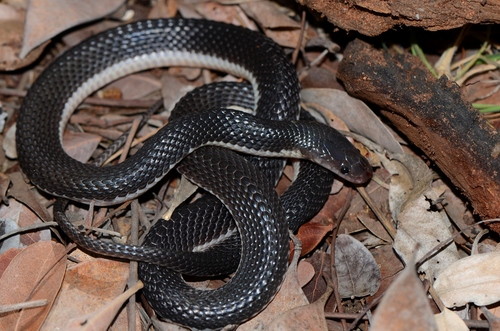
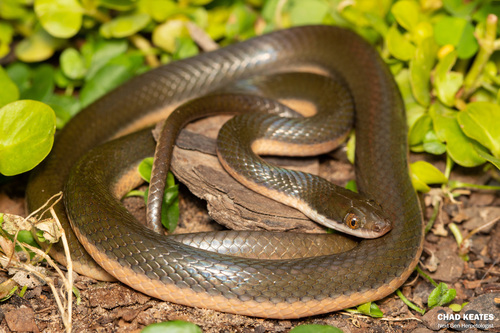
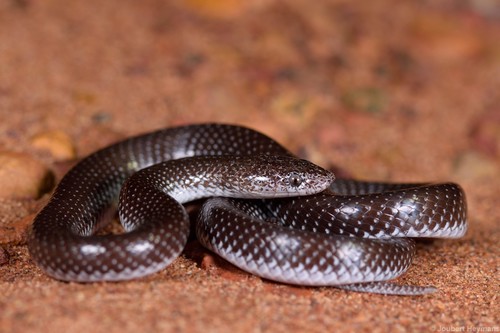
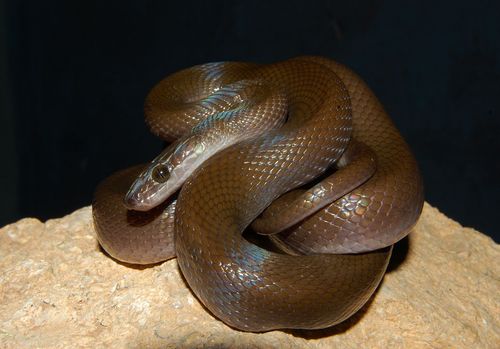
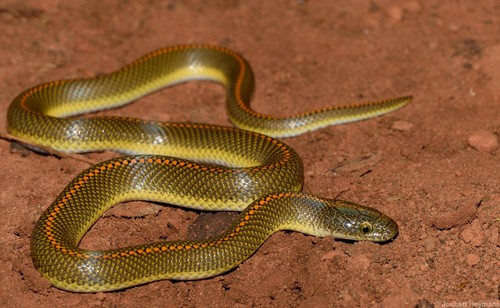
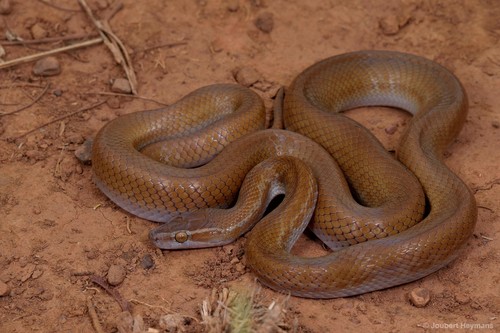
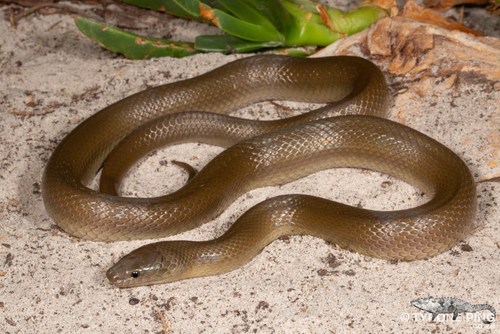
Its body color can range from dark olive to black, or uniform light brown to olive grey-green.
Ventral Coloration
The belly is uniform or slightly lighter than the back, and this lighter color is especially prominent on the chin, throat, and neck.
Distribution in Southern Africa
This species is found in South Africa and Eswatini, where it occurs along the eastern coastal belt from the southwestern Cape through East London to Transkei. Its range extends through the low-veld regions of KwaZulu-Natal, the Mpumalanga escarpment, and Limpopo Province.
Habitat
It lives in coastal bushveld, fynbos, and grassveld that have enough moisture, and it can often be found near human settlements.
Unconfirmed Range Reports
Reports of this snake occurring in Namibia have not been confirmed.
Activity Pattern
Lycodonomorphus inornatus is a nocturnal, generally terrestrial snake that hunts on the ground.
Temperament
It is typically slow-moving and docile, though it will bite if harassed.
Reproduction
Female olive house snakes lay 5–15 eggs per clutch.
Diet
This snake feeds on lizards, small rodents, and other snakes.
Predators
It is preyed on by various raptors, including snake eagles and secretary birds, as well as by other snake species.