About Luzula multiflora (Ehrh.) Lej.
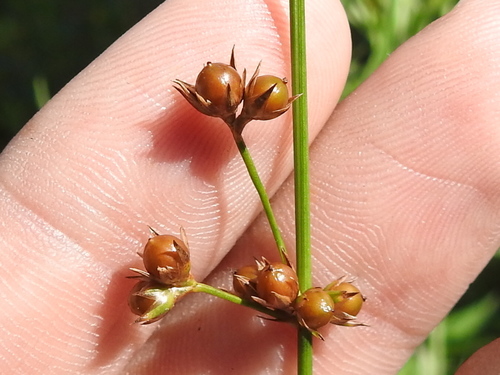
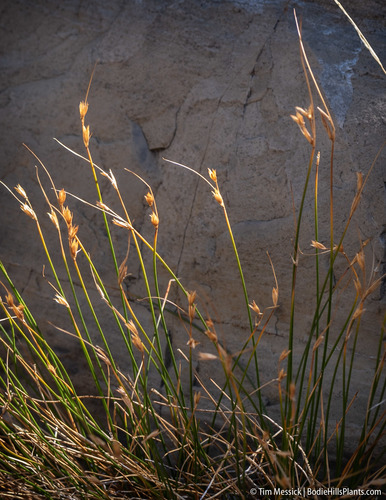
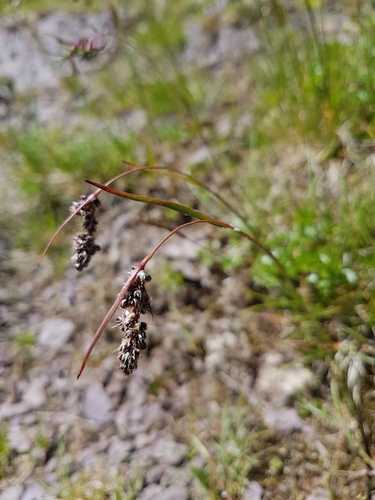
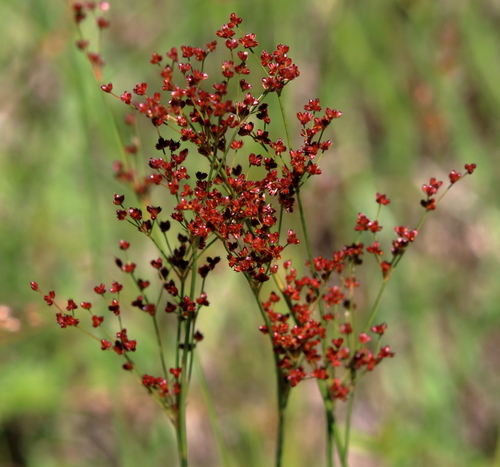
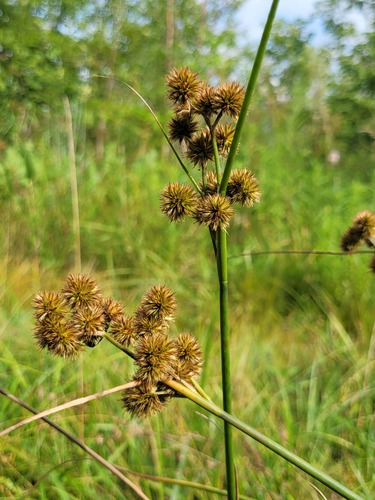
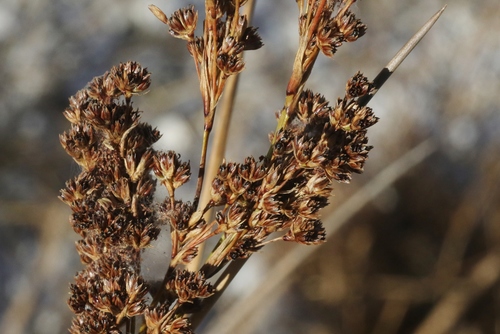
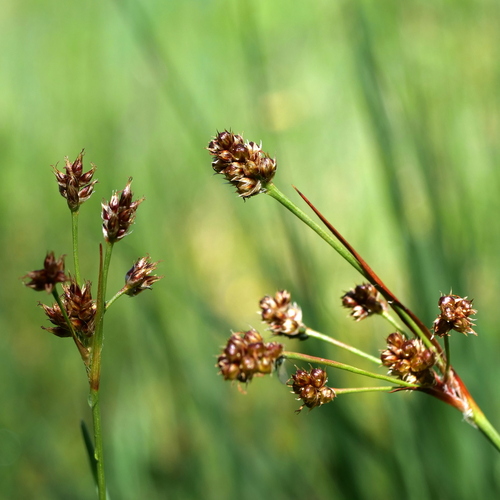
Luzula multiflora, commonly known as common woodrush or heath wood-rush, is a species of flowering plant in the rush family. It is native to Europe, eastern Asia, northern Africa, and northern North America, including Canada and northern regions of the United States. The native status of common woodrush is a topic of ongoing debate. While the Flora of North America lists it as introduced, the more widespread view is that it is a circumpolar species native to North America as well as parts of Europe and Asia. The taxonomy of the wood rush complex, which includes multiple Luzula species, has a long history of instability. In the past, common woodrush was classified as a variety of a European species, under the name Luzula campestris multiflora. At one point, this species was also lumped together with another similar species, Luzula echinata (hedgehog woodrush). As a result, Luzula multiflora and Luzula echinata are sometimes confused. Most of the many woodrush species that grow in North America are quite difficult to distinguish from one another. Even though rushes and woodrushes resemble grasses or sedges, they have the same number and arrangement of flower parts as lilies. Common woodrush grows 10 to 40 cm (4 to 16 in) tall, with basal leaves 3.5 to 12 cm (1+3⁄8 to 4+3⁄4 in) long and 2 to 6 mm (0.08 to 0.24 in) wide. Its flowers have six brown to black tepals that measure 2 to 4 mm (0.08 to 0.16 in) long. Common woodrush is fairly easy to identify by its leaves fringed with long, white hairs, a trait common to most Luzula species, plus its terminal clusters of six-parted flowers borne on stalks of varying lengths. Starting in late spring, these flower clusters are replaced by round capsules. Common woodrush leaves often turn reddish when growing under stressful conditions. In its vegetative state, Luzula multiflora resembles a grass, but its seeds and scaly tepals match those of other species in the rush family Juncaceae. It is also unusual among rush family members for preferring upland woodland habitats, since most rush species favor wetter, sunnier habitats. Common woodrush can be found in anthropogenic (man-made or disturbed) habitats, forest edges, forests, meadows, and fields.