About Luscinia cyane (Pallas, 1776)
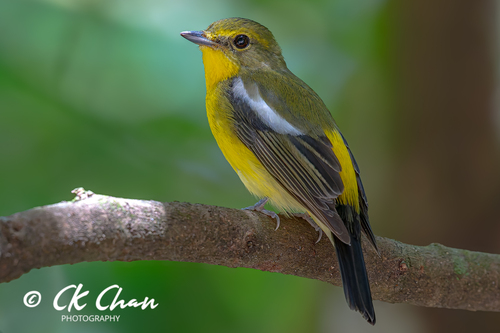
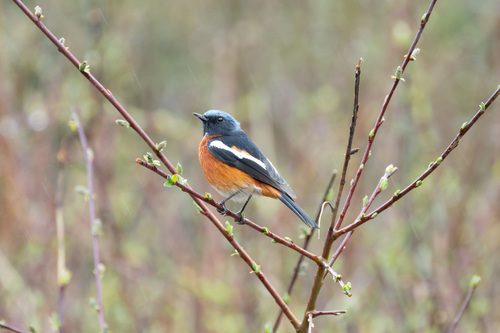
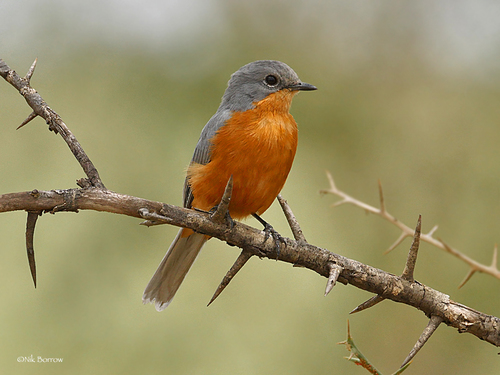
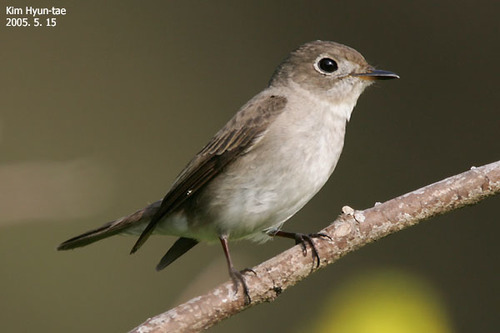
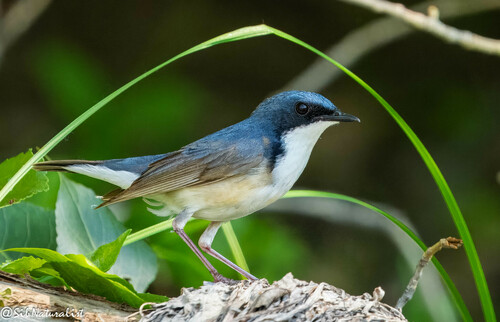
The Siberian blue robin (currently classified as Larvivora cyane, with the scientific name originally published as Luscinia cyane by Pallas in 1776) is a small passerine bird. It was formerly grouped with thrushes in the family Turdidae, but is now widely accepted as a member of the Old World flycatcher family, Muscicapidae. This species and similar small European species are often referred to as chats. Recent research indicates that this species and other East Asian species that were formerly placed in Luscinia should be moved to a new genus, along with the Japanese and Ryūkyū robins. The genus name Larvivora comes from Neo-Latin: larva means caterpillar, and -vorus means eating (from vorace, to devour), while the specific epithet cyane is Latin for "dark-blue". This is a migratory, insect-eating species. It breeds in the eastern Palearctic, ranging across Siberia, northern Mongolia, northeastern China, Korea, and Japan. It spends the winter in southern and southeastern Asia and Indonesia. Its breeding habitat is coniferous forest with dense understory, frequently located alongside rivers or at woodland edges. It feeds on the ground and has very secretive, skulking behavior. In winter, this species also tends to remain in dense vegetation. It is a very rare vagrant to Europe, and holds vagrant status as far east as Pakistan. Previously, the Siberian blue robin was placed in the genus Luscinia. A large molecular phylogenetic study published in 2010 found that the genus Luscinia was not monophyletic. As a result, the genus was split, and several species including the Siberian blue robin were moved to the reinstated genus Larvivora.