About Lupinus rivularis Douglas ex Lindl.
Lupinus rivularis Douglas ex Lindl., commonly called riverbank lupine, is a robust, erect perennial herb or subshrub that grows up to around one meter tall. Its long taproot allows it to grow in the dry soils typical of disturbed botanical areas.
Stem Features
The mostly hairless stem is thick, hollow, and reddish.
Leaf Characteristics
Each alternate, palmately compound leaf is composed of 5 to 9 wide leaflets that measure 2–4 centimetres (0.79–1.57 in) long.
Inflorescence Traits
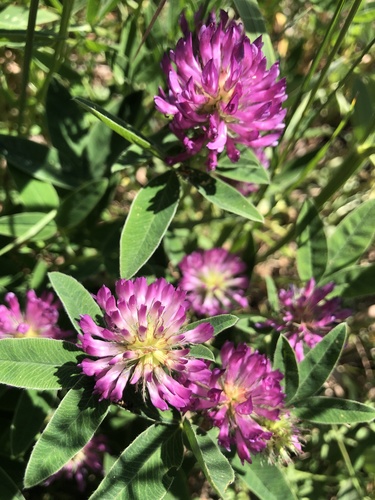
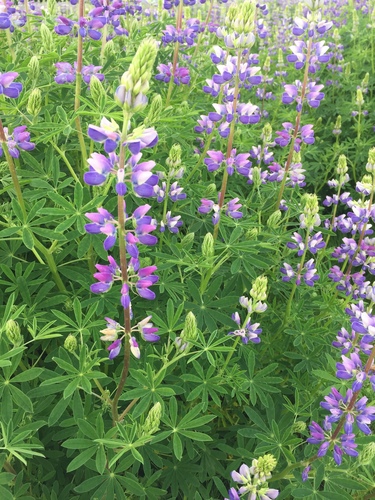
The inflorescence is a raceme of many flowers, sometimes arranged in whorls. The flowers are light purple, often with white sections or shading.
Fruit and Seeds
The fruit is a legume pod that is somewhat hairy, up to 7 centimetres (2.8 in) long, and darkens as it ages. Each pod holds 6–10 seeds and is covered in sparsely distributed hairs.
Blooming Traits
Riverbank lupine produces a distinct aroma that attracts its pollinators. Its blooming period runs from March to July, and each bloom lasts approximately two to four weeks.
Lupinus rivularis occurs in western North America, ranging from southern British Columbia to northern California. It is native to California, Oregon, Washington, and British Columbia, and grows primarily in coastal habitats including Olympic National Park, Redwood National Park, and Point Reyes National Seashore.
Soil and Precipitation Preferences
Its distribution is shaped by its preference for sandy, well-drained, low-nitrogen soils, and annual precipitation between 20 and 100 inches.
Growth Conditions and Ecological Role
This species grows best in full sunlight, and can successfully establish populations in areas with low competition, making it an excellent pioneer species for disturbed environments.
Use Categories
Riverbank lupine has a range of important uses including erosion control, wildlife food, ornamental display, medicinal use, and use as a cover crop.
Erosion Control and Revegetation Use
As a pioneer species, it can grow in large stands, making it ideal for restoring sites that have experienced erosion. Its nitrogen fixation ability makes it very effective at supporting revegetation and reforestation efforts.
Wildlife and Livestock Use
Its seeds are a food source for many birds, and the abundant vegetation provides cover for other wildlife species. Its low alkaloid content also makes it suitable for livestock grazing.
Ornamental and Medicinal Use
The showy floral arrangement makes riverbank lupine a good choice for ornamental display in landscape settings. Finally, the Nlakaʼpamux people of British Columbia have reportedly used riverbank lupine for a variety of medicinal purposes.