About Ludwigia bonariensis (Micheli) H.Hara
Taxonomy and Native Range
Ludwigia bonariensis, commonly known as Mexican primrose-willow, is a perennial herbaceous plant belonging to the Onagraceae family. Native to South America, it has been introduced and naturalized in various parts of the world.
Growth Size and Habit
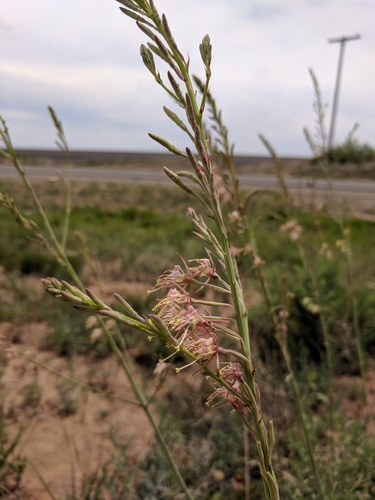
This plant can reach heights of 1 to 2 meters and exhibits a sprawling growth habit, with long stems that can root at their nodes.
Leaf Characteristics
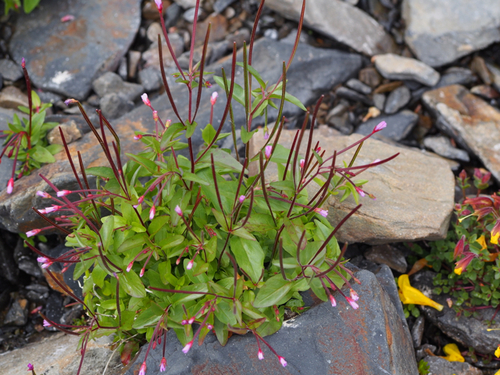
The leaves of Ludwigia bonariensis are lance-shaped, glossy green, and arranged alternately along the stem.
Flower Features
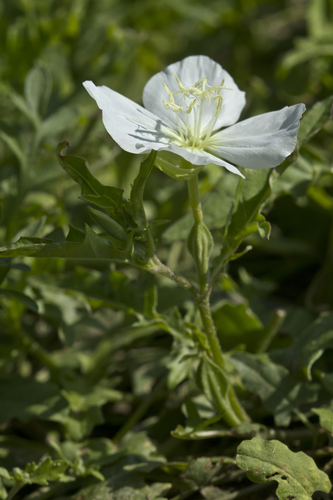
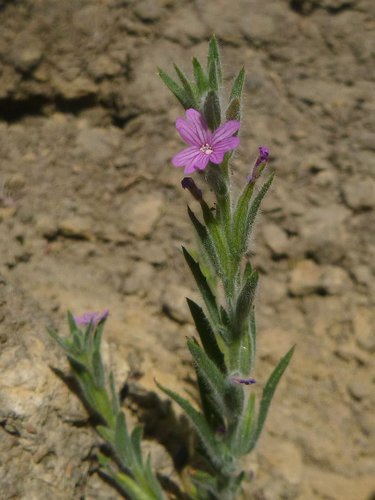
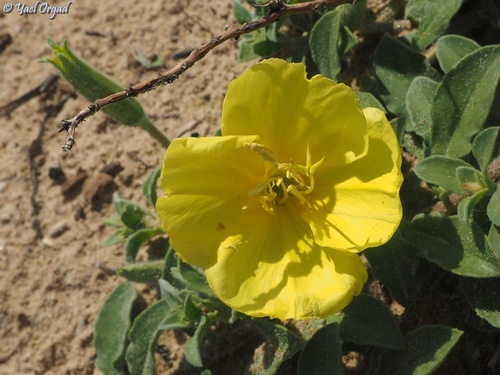
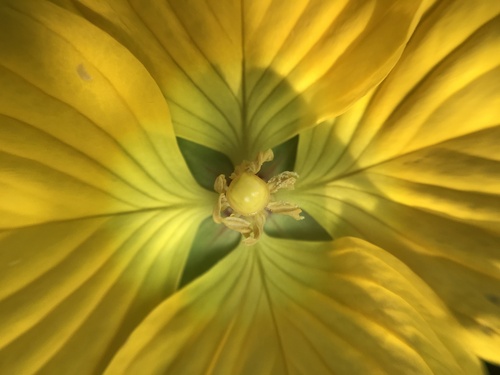
Its small flowers feature four petals that range in color from yellow to orange-red, blooming from summer through fall and attracting pollinators such as bees and butterflies.
Growing Conditions
Ludwigia bonariensis favors moist soils but can withstand drought conditions once established. It thrives in full sun or partial shade and is often used as an ornamental plant due to its attractive foliage and colorful flowers.
Medicinal Compounds
Beyond its ornamental appeal, Ludwigia bonariensis possesses medicinal properties, largely due to its high flavonoid content, such as quercetin.
Antioxidant Benefits
These flavonoids have antioxidant properties that help protect against oxidative stress-related diseases like cancer and cardiovascular disease.
Overall Value
Overall, Ludwigia bonariensis is a versatile plant offering both aesthetic appeal for landscaping and potential health benefits, making it valuable for human consumption or use in traditional medicine practices.