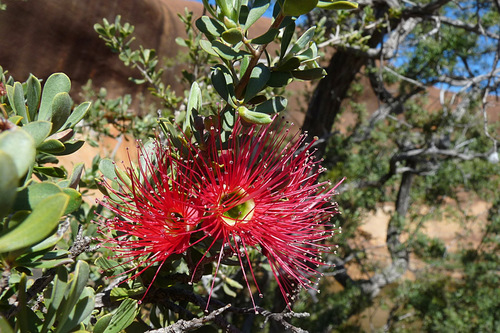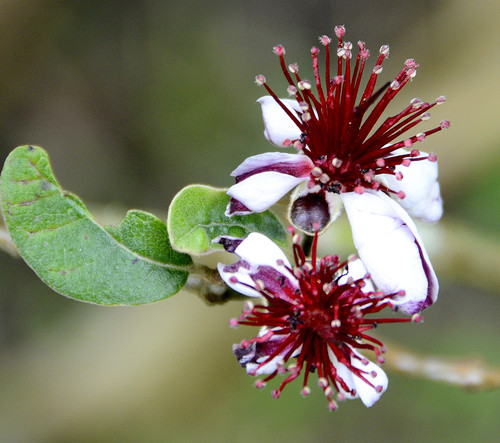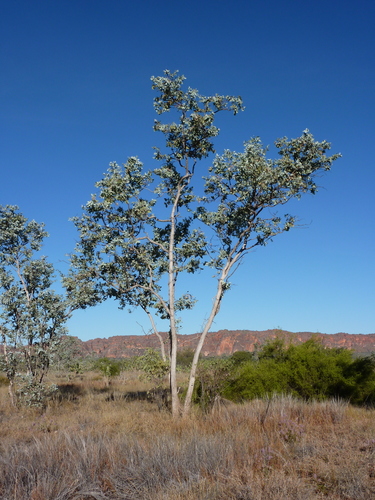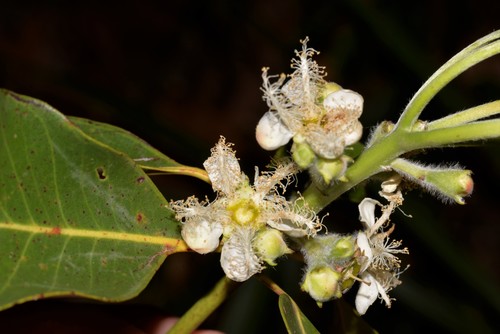
Lophostemon confertus (R.Br.) Paul G.Wilson & J.T.Waterh. is a plant in the Myrtaceae family, order Myrtales, kingdom Plantae. Not known to be toxic.

Photo of Lophostemon confertus (R.Br.) Paul G.Wilson & J.T.Waterh. (Lophostemon confertus (R.Br.) Paul G.Wilson & J.T.Waterh.)
🌿 Plantae

Lophostemon confertus (R.Br.) Paul G.Wilson & J.T.Waterh.

Lophostemon confertus (R.Br.) Paul G.Wilson & J.T.Waterh.

Lophostemon confertus is a hardy, shade-providing tree commonly used as a low-weediness street tree, safer than eucalyptus.

Family
Genus
Lophostemon
Order
Myrtales
Class
Magnoliopsida
⚠️ Toxicity Note

Insufficient toxicity evidence; avoid direct contact and ingestion.

About Lophostemon confertus (R.Br.) Paul G.Wilson & J.T.Waterh.

This species, Lophostemon confertus, has a wide range of natural wild habitats. It grows in moist open forest and rainforest ecotones, where it can reach heights of 40 metres or more, and also on coastal headlands, where it develops a stunted, wind-sheared growth habit. The tree has an overall dome-like shape, and produces denser foliage made up of dark green, leathery leaves. This means it provides more shade than eucalyptus trees. It is also regarded as safer than eucalypts because it rarely sheds branches. Due to its resilience to disease and pests, high tolerance for smog, drought and poor drainage, and low maintenance requirements, Lophostemon confertus is widely considered a useful street tree. It often needs lopping to fit beneath overhead power lines, but tolerates and survives pruning well. It is commonly planted as a replacement for the invasive weedy camphor laurel (Cinnamomum camphora), and has a very low chance of becoming weedy itself.
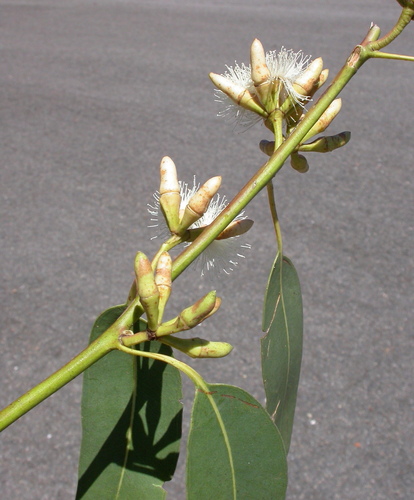
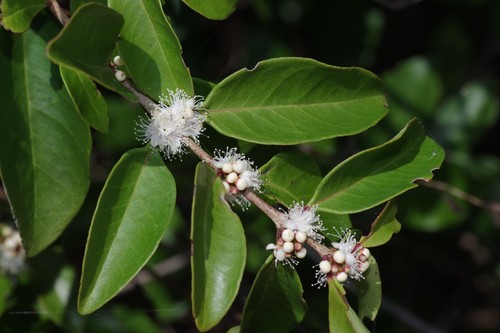
Photo: (c) Nick Lambert, some rights reserved (CC BY-NC-SA), uploaded by Nick Lambert · cc-by-nc-sa

Taxonomy

Plantae Tracheophyta Magnoliopsida Myrtales Myrtaceae Lophostemon

More from Myrtaceae

Sources: GBIF, iNaturalist, Wikipedia, NCBI Taxonomy · Disclaimer

Identify Lophostemon confertus (R.Br.) Paul G.Wilson & J.T.Waterh. instantly — even offline

iNature uses on-device AI to identify plants, animals, fungi and more. No internet needed.

Download iNature — Free

Start Exploring Nature Today

Download iNature for free. 10 identifications on us. No account needed. No credit card required.

Download Free on App Store