About Lomatia silaifolia (Sm.) R.Br.
Growth Form and Stem Characteristics
Lomatia silaifolia (Sm.) R.Br. is a small, upright shrub that grows 1 to 2 metres (3.3 to 6.6 ft) tall, with smooth, glaucous stems.
Leaf Morphology
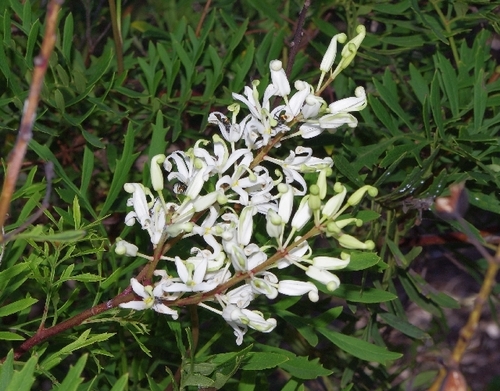
It bears highly pinnate leaves that resemble parsley, and the leaves can vary in appearance, reaching 35 to 50 centimetres (14 to 20 in) in length.
Inflorescence and Flowering Time
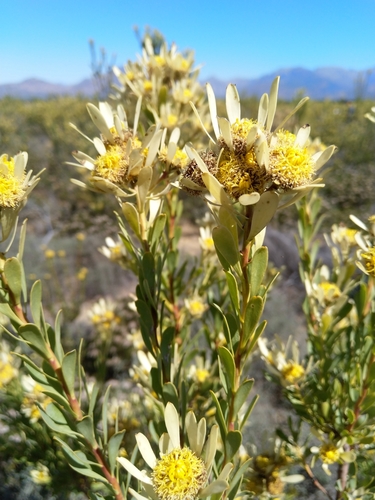
White inflorescences up to 45 centimetres (18 in) tall emerge in summer.
General Distribution Range
This species is distributed across much of eastern Australia east of the Great Dividing Range.
Specific Range Locations
Its range includes the Blackdown Tableland in central Queensland, extends from Gympie in south-eastern Queensland to the New England area of north-eastern New South Wales, and also runs from the Hunter Region to Jervis Bay in central New South Wales.
Habitat and Associated Flora
It grows as an understory shrub in open forest on sandstone soils, where it is associated with tree species including red bloodwood (Corymbia gummifera), turpentine (Syncarpia glomulifera), blackbutt (Eucalyptus pilularis), Sydney peppermint (E. piperita), narrow-leaved peppermint (E. radiata), blue-leaved stringybark (E. agglomerata), red stringybark (E. macrorhyncha), grey gum (E. punctata), scribbly gum (E. sclerophylla), smooth-barked apple (Angophora costata), and rose sheoak (Allocasuarina torulosa).
Lifespan and Fire Response
Ecologically, Lomatia silaifolia individuals are thought to live for over 60 years, and regenerate after bushfire by resprouting from their base.
Herbivory
Its leaves are eaten by swamp wallabies (Wallabia bicolor).
Toxicity and Reactions
Calves are suspected to have died after eating this plant, cut flowers kept indoors have been reported to attract and kill flies, and positive cyanide reactions have been recorded for the species' anthers, styles, and stigmas.
Early Cultivation Trials
In horticulture, Lomatia silaifolia was trialled in cultivation in England in 1808, where it was noted to rarely flower and require a greenhouse.
Horticultural Appeal
The species' unusual leaves and fruits make it a good feature for gardens.
Propagation and Cultivation Requirements
It can be easily propagated from seed, and is hardy in most soils and growing conditions.